The Ultimate Guide to Rings: Symbolism, Styles, and Selection
Rings are perhaps the most significant pieces of jewelry a person can own. Beyond being simple fashion accessories, they serve as powerful symbols of commitment, heritage, and personal identity. From the ancient Egyptians who viewed the circle as a symbol of eternity to modern couples exchanging diamond-encrusted bands, the allure of rings remains timeless. In this comprehensive guide, we will explore the different types of rings, the materials used to craft them, and how to choose the perfect piece for any occasion.
The History and Symbolism of Rings
The tradition of wearing rings dates back thousands of years. Ancient civilizations used various materials like bone, stone, and clay to create circular ornaments. The Romans were among the first to link rings specifically to marriage, often using iron to symbolize strength and permanence. Over time, the materials evolved into precious metals like gold and silver, and the addition of gemstones added layers of meaning.
The symbolism of a ring is rooted in its shape. A circle has no beginning and no end, representing infinity and the cyclical nature of life. When worn on the “ring finger” of the left hand, it was historically believed that a vein—the Vena Amoris—ran directly from that finger to the heart. While anatomy has debunked this myth, the sentiment continues to drive the global jewelry industry today.
Popular Types of Rings
Whether you are shopping for a milestone event or simply looking to update your jewelry collection, understanding the different categories of rings is essential. Here are the most common styles available today:
1. Engagement Rings
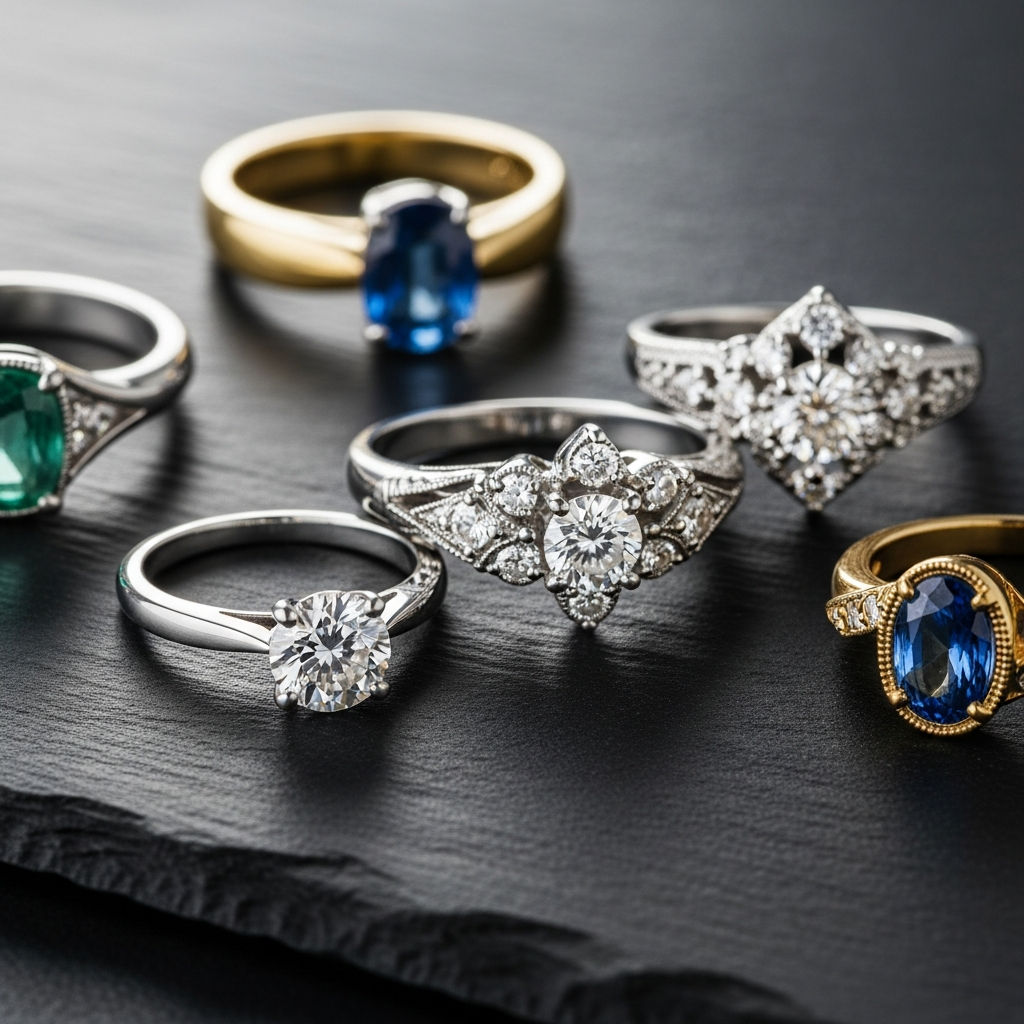
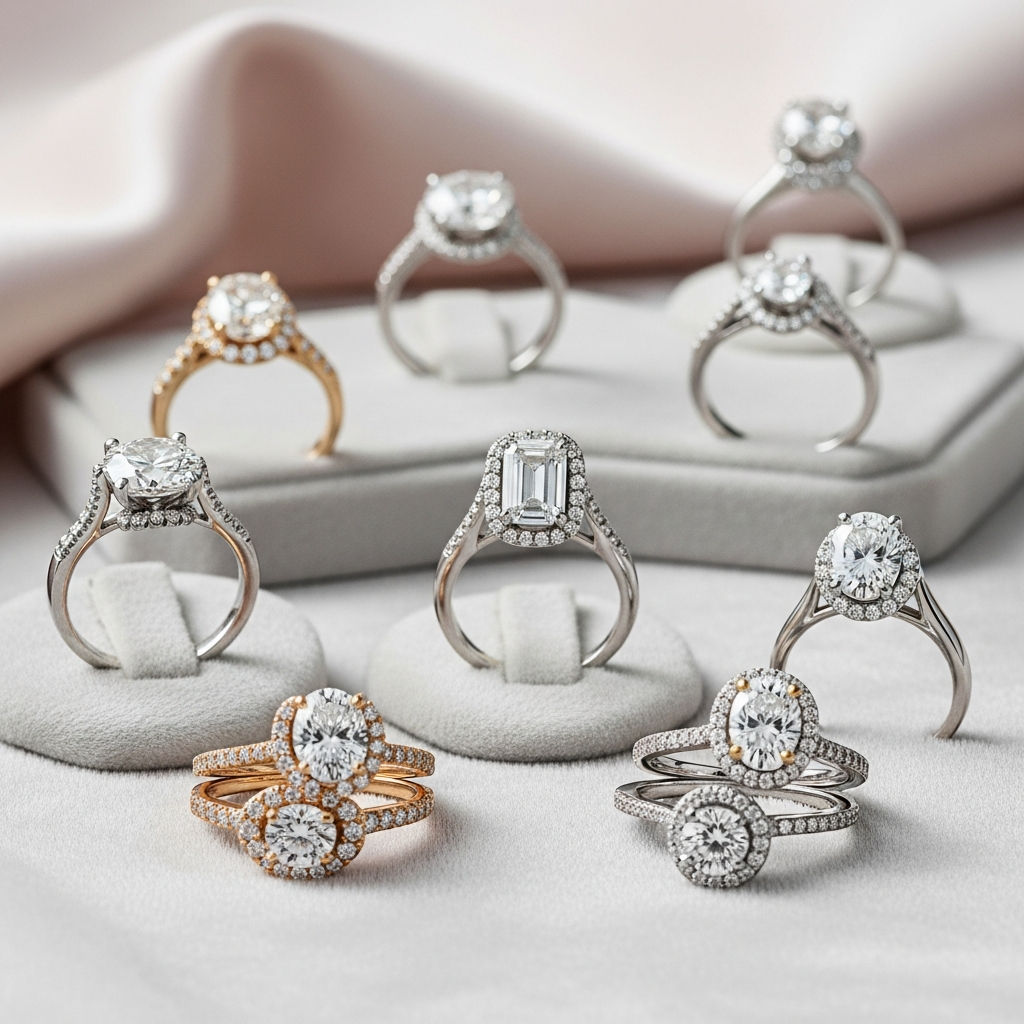
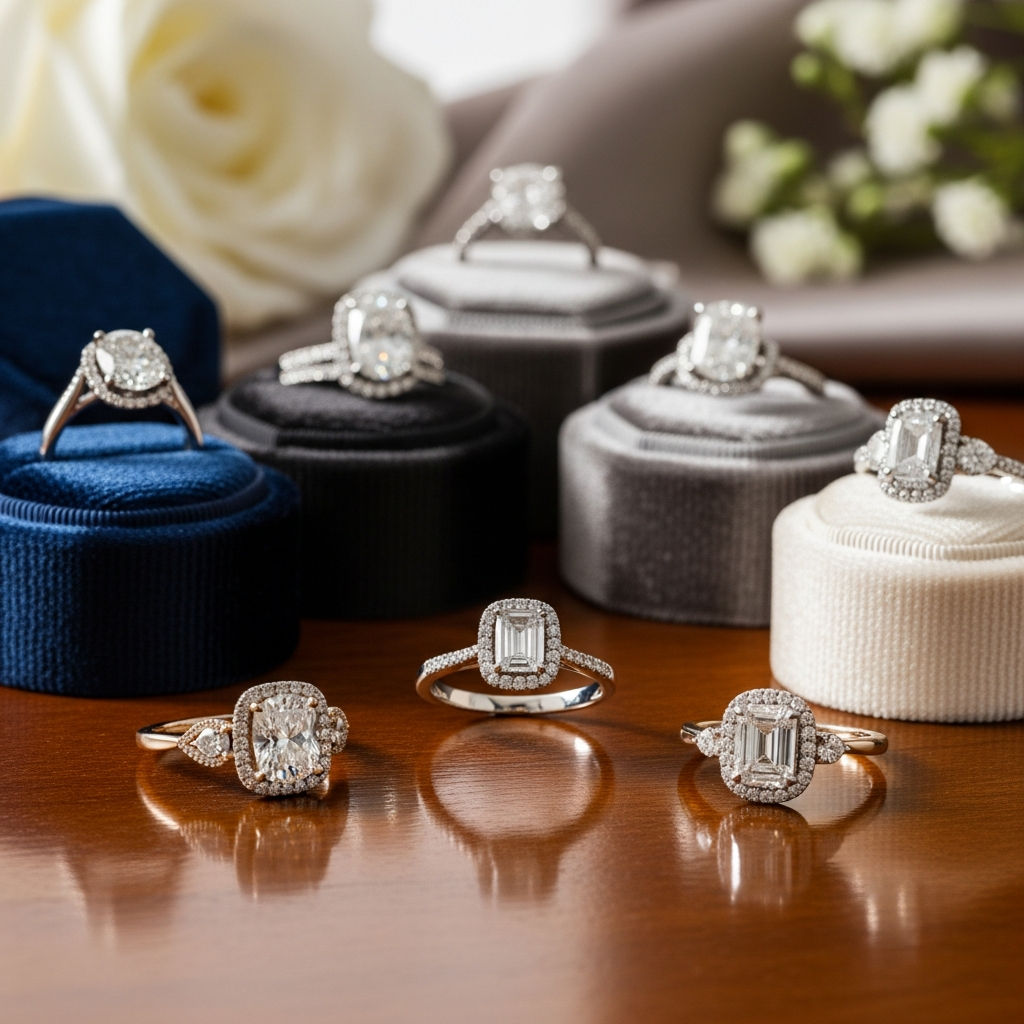
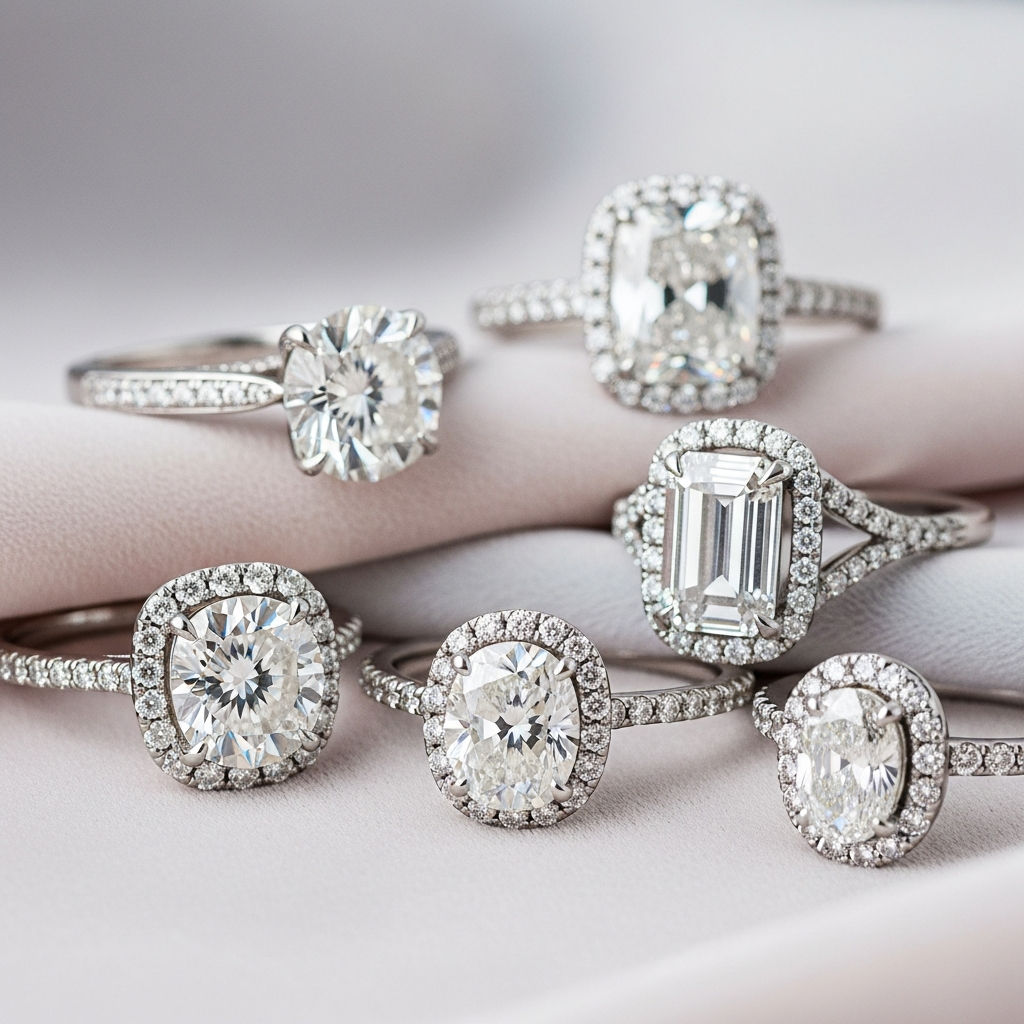
Engagement rings are perhaps the most iconic type of ring. Traditionally featuring a center diamond, these rings signify a formal agreement to marry. Popular styles include:
- Solitaire: A single, stunning diamond or gemstone set on a plain band.
- Halo: A center stone surrounded by a “halo” of smaller diamonds to enhance sparkle.
- Three-Stone: Representing the past, present, and future of a relationship.
- Vintage-Inspired: Featuring intricate milgrain, filigree, and art deco designs.
2. Wedding Bands
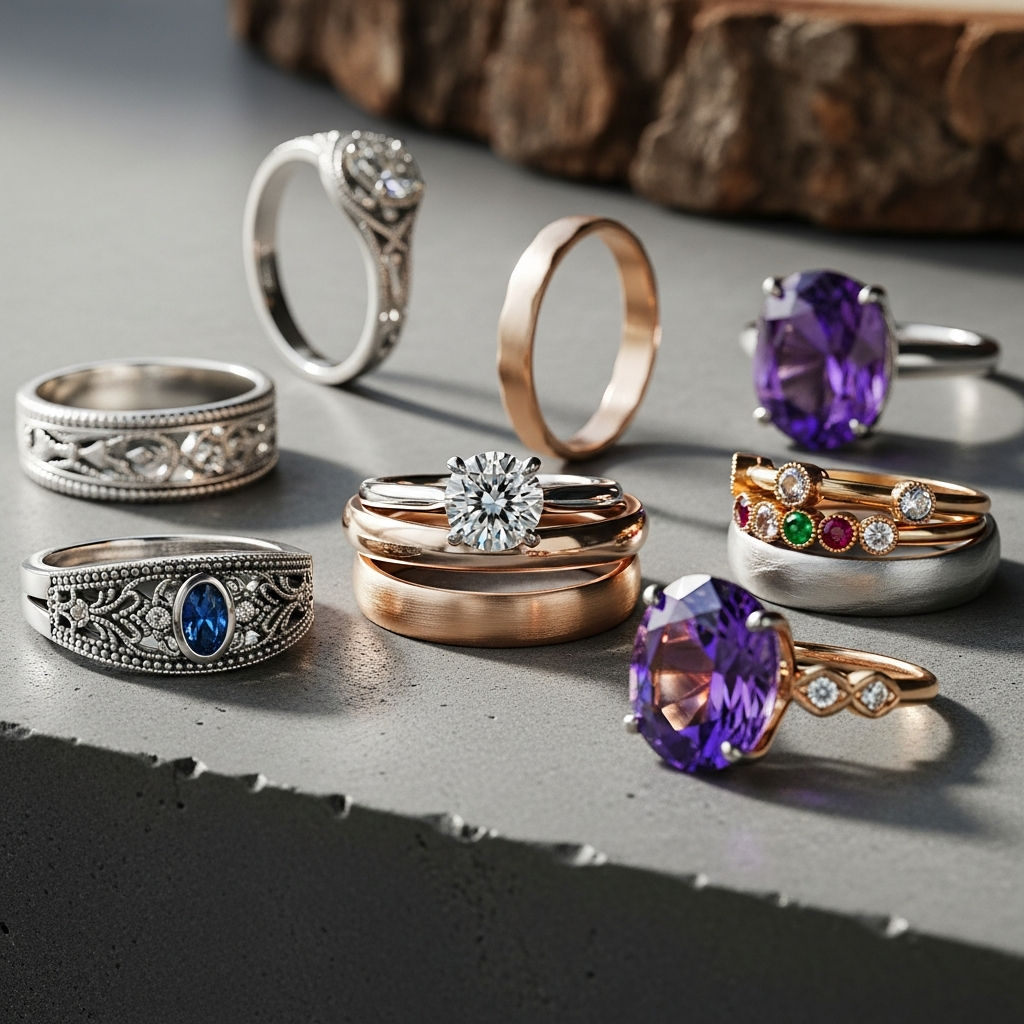
Exchanged during the wedding ceremony, wedding bands are typically more understated than engagement rings. While many choose plain gold or platinum bands, “eternity bands”—which feature diamonds encircling the entire finger—have become a popular choice for those seeking extra brilliance.
3. Promise Rings
A promise ring serves as a pre-engagement symbol. It represents a commitment between two people that may eventually lead to marriage or simply signify a deep, exclusive bond. These are often smaller and more budget-friendly than traditional engagement rings.
4. Signet Rings
Historically used to seal documents with wax, signet rings feature a flat surface engraved with a family crest, initials, or a unique emblem. Today, they are worn as a statement of personal style and heritage, often on the pinky finger.
5. Fashion and Cocktail Rings
Fashion rings are worn for aesthetic purposes rather than symbolic ones. Cocktail rings, in particular, are large, bold pieces designed to draw attention. They often feature oversized colored gemstones like amethyst, citrine, or turquoise and are typically worn to social events.
Choosing the Right Metal
The metal you choose for a ring affects its durability, price, and overall appearance. Here are the most common options:

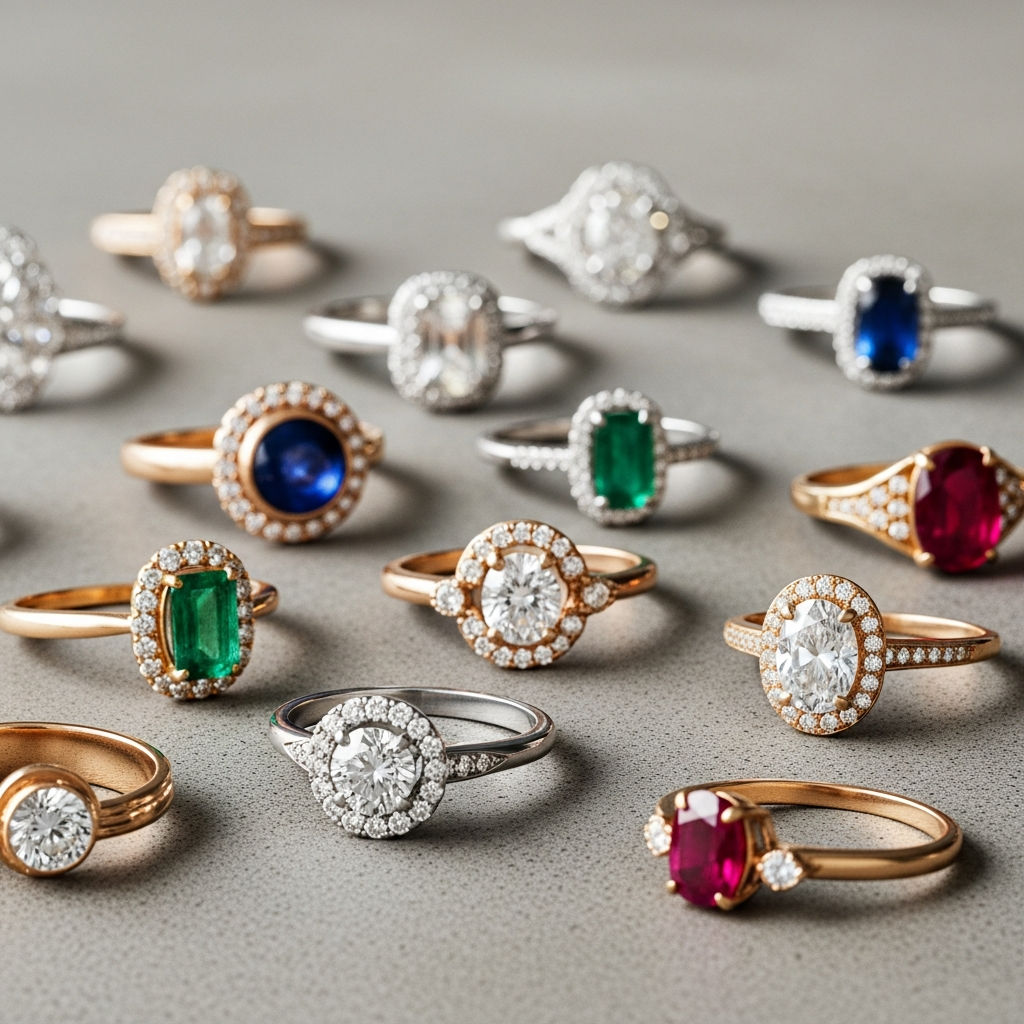
- Yellow Gold: A classic choice that offers a warm, traditional glow. It is usually alloyed with other metals (like copper and silver) for strength, measured in karats (14k and 18k being the most common).
- White Gold: Created by mixing gold with white metals like nickel or palladium. It is often plated with rhodium to provide a bright, silver-like finish.
- Rose Gold: A romantic, pink-hued metal created by increasing the copper content in the gold alloy.
- Platinum: The most durable and densest of the precious metals. It is naturally white and hypoallergenic, making it ideal for those with sensitive skin.
- Sterling Silver: An affordable and beautiful option for fashion rings, though it requires regular polishing to prevent tarnish.
Gemstones: Beyond the Diamond
While diamonds remain the “gold standard” for rings, many modern consumers are turning to colored gemstones for a unique look. Each stone carries its own meaning and physical properties:
- Sapphire: Known for its deep blue color (though it comes in every color except red), sapphires symbolize wisdom and royalty.
- Emerald: A lush green stone that represents rebirth and love. Emeralds are softer than diamonds and require extra care.
- Ruby: The stone of passion and courage, rubies are highly durable and offer a striking red hue.
- Moissanite: A lab-grown alternative to diamonds that offers incredible brilliance and fire at a fraction of the cost.
How to Find Your Perfect Ring Size
Nothing is more frustrating than finding the perfect ring only to realize it doesn’t fit. To ensure a comfortable fit, consider these tips:
1. Measure at the right time: Fingers change size based on temperature and time of day. It is best to measure your finger at the end of the day when it is at its largest.
2. Consider the band width: Wider bands tend to feel tighter than thin bands. If you are buying a thick statement ring, you may need to go up a half size.
3. Use a professional sizer: While string or paper methods work in a pinch, visiting a local jeweler to use a metal ring sizer is the most accurate way to determine your size.
Ring Care and Maintenance
To keep your rings looking as brilliant as the day you bought them, regular maintenance is required. Follow these steps to protect your investment:
- Regular Cleaning: Soak your rings in warm water with a few drops of mild dish soap. Use a soft-bristled toothbrush to gently scrub away dirt and oils.
- Safe Storage: Store rings in individual pouches or lined jewelry boxes to prevent them from scratching one another.
- Annual Inspections: If you wear a ring with stones daily, take it to a jeweler once a year to ensure the prongs are secure and the stones are not loose.
- Avoid Harsh Chemicals: Remove your rings before swimming in chlorinated pools or using household cleaning agents, as these can damage the metal and stones.
Conclusion: The Lasting Appeal of Rings
Rings are more than just circular bands of metal; they are vessels for memories and milestones. Whether you are searching for a diamond engagement ring to start a new chapter, a signet ring to honor your history, or a simple gold band to elevate your daily style, the right ring is out there. By understanding the different materials, styles, and care requirements, you can choose a piece that will not only look beautiful today but will remain a cherished heirloom for generations to come.
When shopping for rings, always prioritize quality and craftsmanship. Whether you prefer the classic elegance of a solitaire or the bold statement of a gemstone cocktail ring, the perfect piece is the one that reflects your unique personality and story.