The Timeless Appeal of Rings: A Comprehensive Guide to History, Styles, and Selection
Rings are perhaps the most intimate and symbolic form of jewelry ever created. Unlike earrings or necklaces, which are worn for the view of others, a ring sits on the hand where the wearer can constantly see it, serving as a personal reminder of a promise, a memory, or a sense of style. From the ancient civilizations that used them as seals of authority to the modern romantic who uses them to symbolize eternal love, rings have remained a constant in human adornment for thousands of years.
Whether you are searching for the perfect engagement ring, a meaningful gift, or a statement piece to elevate your daily wardrobe, understanding the nuances of rings is essential. This guide explores the rich history, diverse styles, and practical tips for choosing and caring for these precious circles of metal and stone.
A Brief History of Rings: From Ancient Circles to Modern Symbols
The history of rings is as old as civilization itself. The circular shape, having no beginning and no end, has long been a symbol of eternity and the cyclical nature of life. Ancient Egyptians are often credited with the origin of the “ring” as a symbol of commitment, weaving them from hemp or reeds. They believed the “vena amoris” (the vein of love) ran directly from the fourth finger of the left hand to the heart—a tradition that persists in many cultures today.
In Ancient Rome, rings transitioned from iron to gold as symbols of status and legal contracts. Signet rings were used by the elite to press a unique seal into hot wax, authenticating documents and securing correspondence. During the Middle Ages, “posie rings” became popular, featuring short verses of poetry engraved on the inside or outside of the band. It wasn’t until 1477, when Archduke Maximilian of Austria presented Mary of Burgundy with a diamond ring, that the tradition of the diamond engagement ring began to take root in royal circles, eventually becoming a global standard in the 20th century.
Popular Types of Rings for Every Occasion
Rings serve various purposes, ranging from the deeply sentimental to the purely aesthetic. Here are some of the most common types of rings found in jewelry boxes today:
Engagement Rings
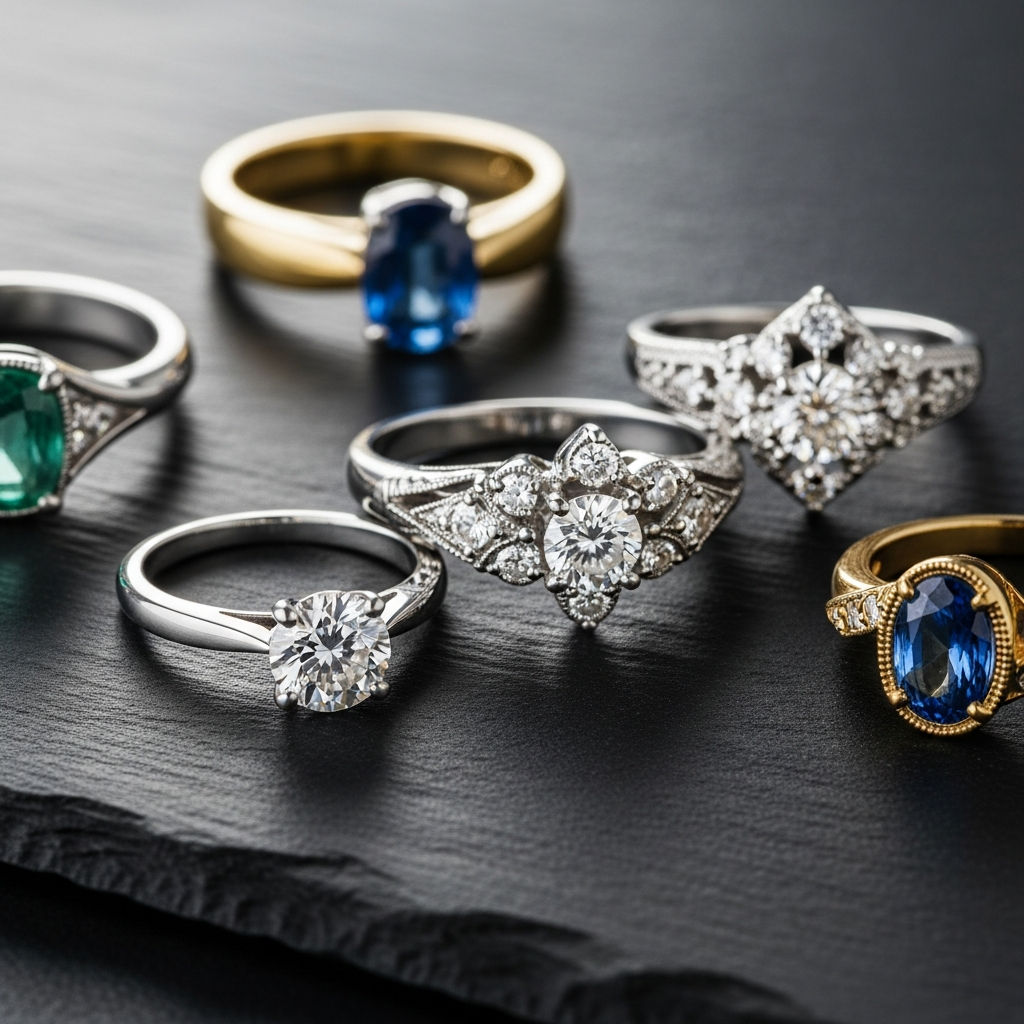
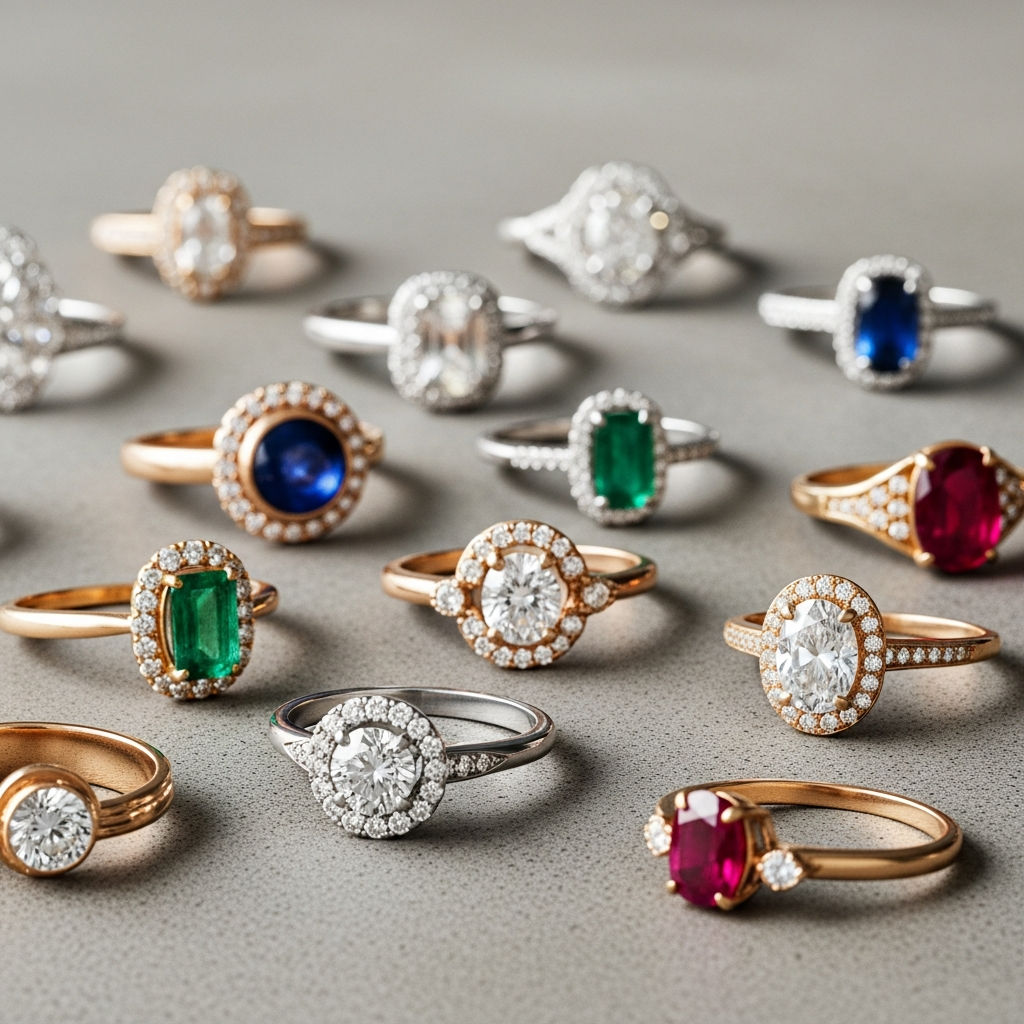
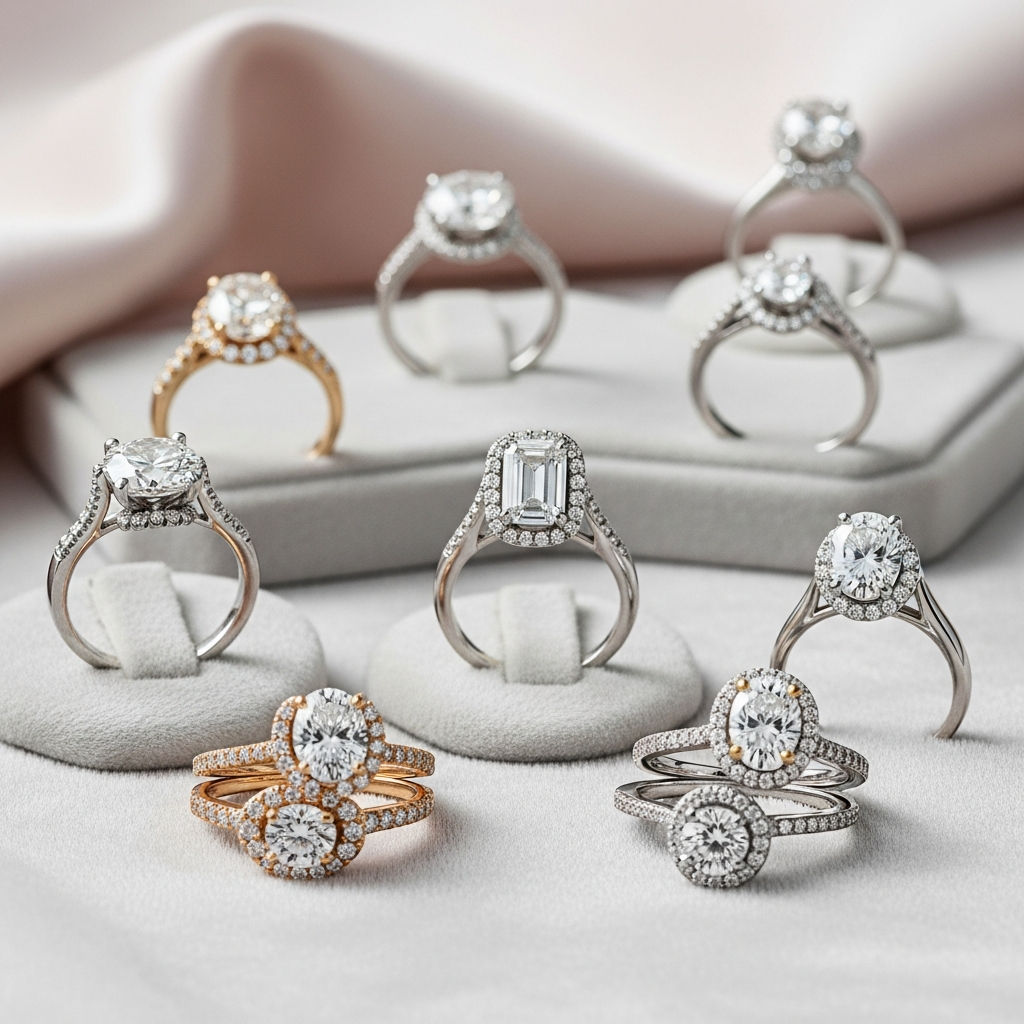
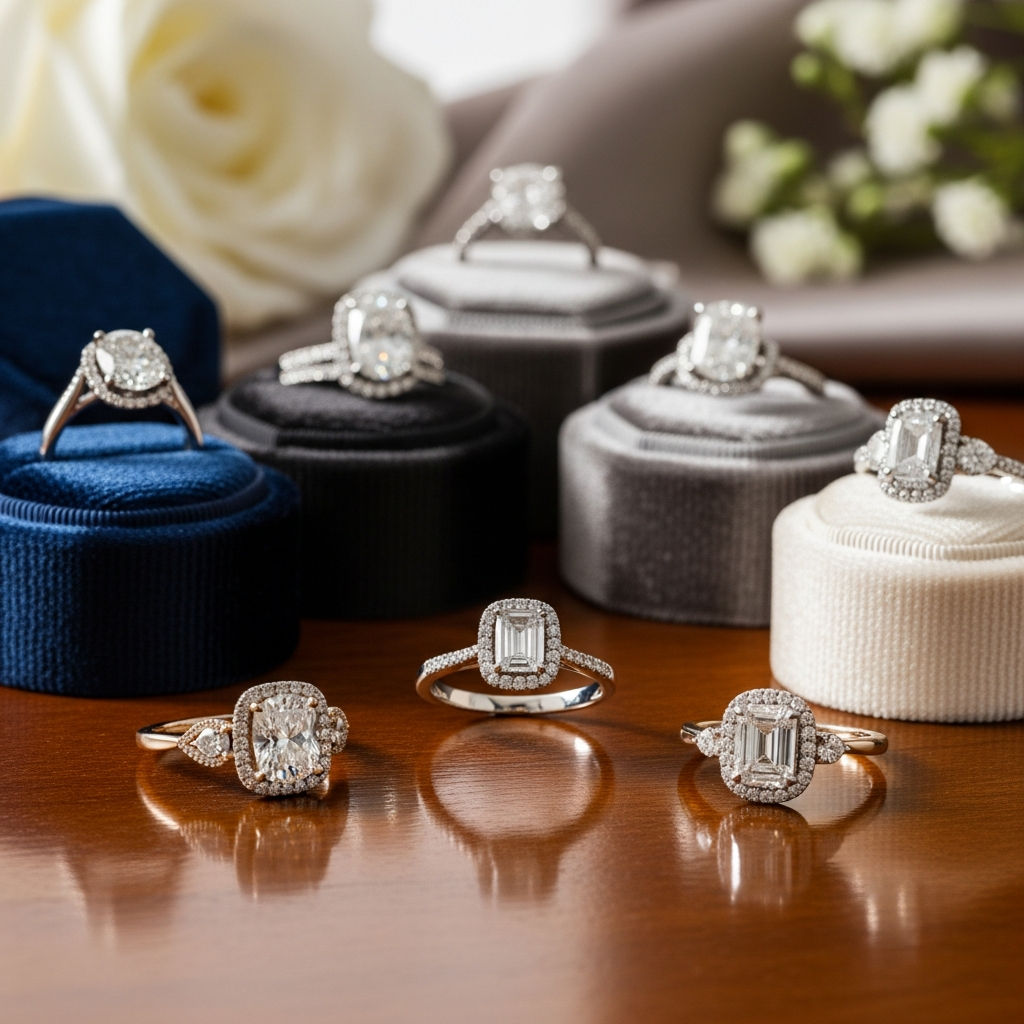
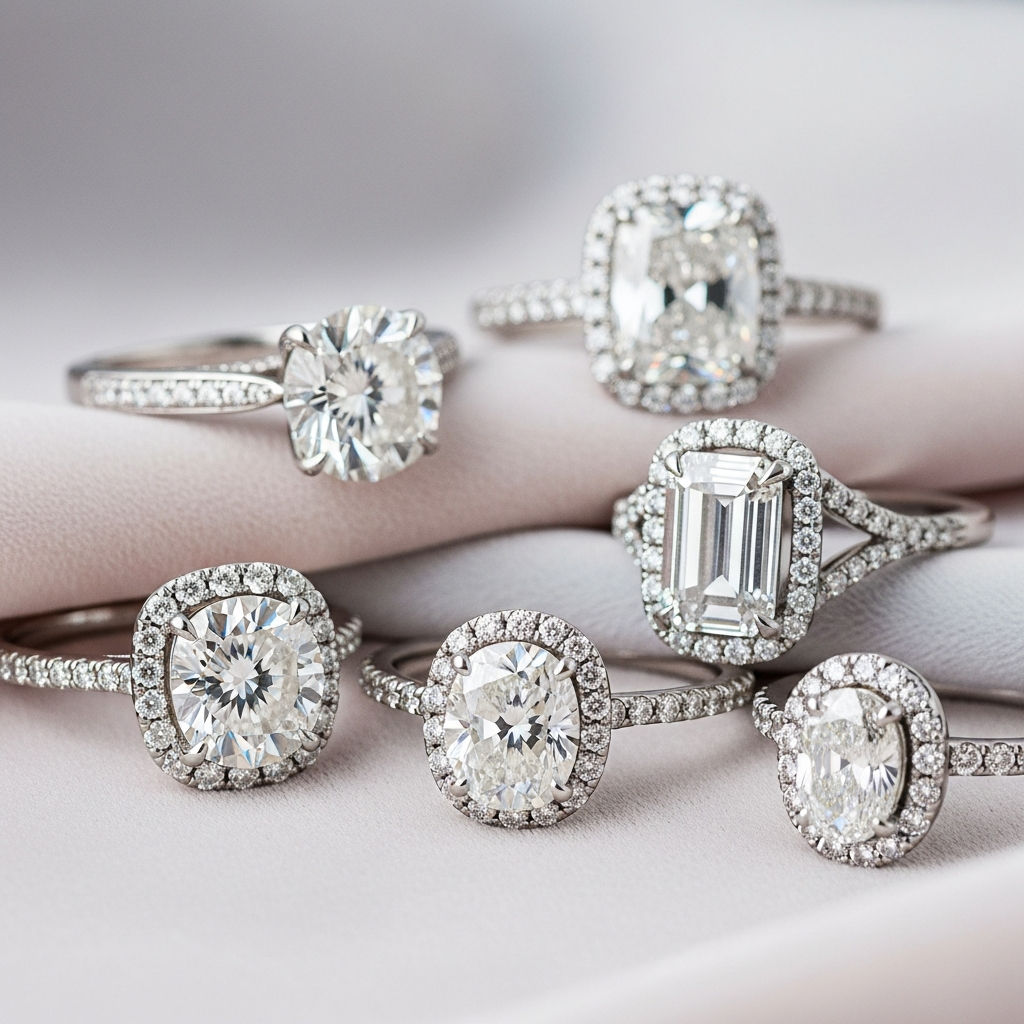
An engagement ring is a symbol of a proposal and a promise of marriage. While the classic diamond solitaire remains the most popular choice, modern trends have shifted toward unique designs. Halo settings, which feature a circle of smaller diamonds around a center stone, and vintage-inspired “milgrain” designs are highly sought after. Additionally, non-traditional gemstones like sapphires, emeralds, and moissanite are gaining popularity for those seeking a unique look.
Wedding Bands
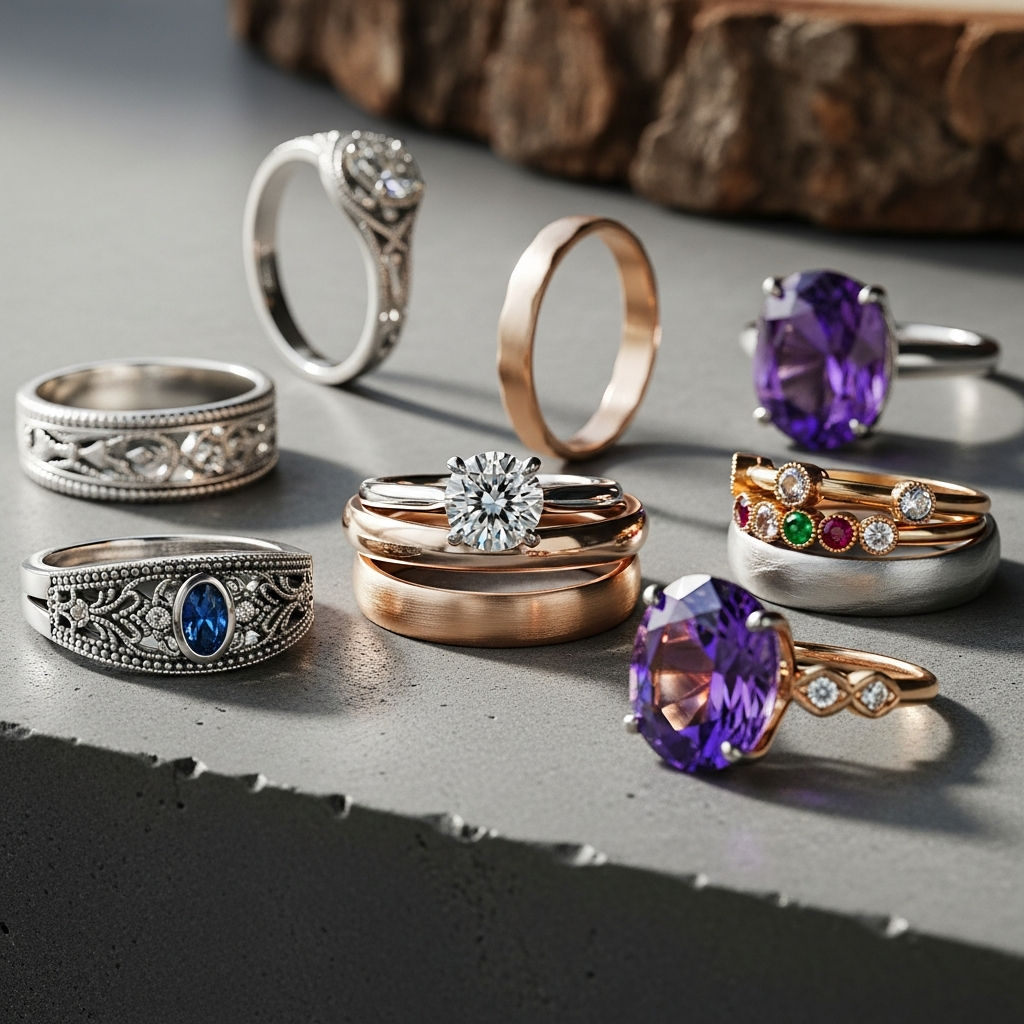
The wedding band is exchanged during the marriage ceremony and is typically more understated than the engagement ring. They can be simple metal bands or “eternity” styles featuring stones that go all the way around the finger. Many couples today choose matching sets or “nested” bands that contour perfectly to the shape of the engagement ring.
Promise Rings
Often given as a precursor to an engagement, a promise ring signifies a commitment between two people. They are usually more delicate than engagement rings and can symbolize any number of personal vows, including exclusivity, friendship, or a future together.
Signet Rings
Historically used as a seal, the signet ring has made a massive comeback in fashion. These rings feature a flat top, often engraved with initials, a family crest, or a minimalist symbol. They are popular as “pinky rings” and serve as a bold statement of identity and heritage.

Fashion and Statement Rings
Fashion rings are worn for personal expression rather than tradition. This category includes oversized “cocktail rings” featuring large colored gemstones, minimalist stackable bands that can be layered, and “midi rings” that sit above the knuckle. These allow for endless creativity and can be swapped out based on an outfit or mood.
Choosing the Right Metal: Gold, Platinum, and Beyond
The metal of a ring determines not only its color but also its durability and price. When selecting a ring, consider how the metal will stand up to your daily activities.
- Yellow Gold: The traditional choice. Gold is usually alloyed with other metals for strength. 14k gold is durable for everyday wear, while 18k gold has a richer yellow hue but is slightly softer.
- White Gold: Created by mixing pure gold with white metals like palladium or nickel. It is plated with rhodium to give it a bright, silvery finish. Over time, this plating may need to be reapplied to maintain its color.
- Rose Gold: A romantic, pinkish metal created by alloying gold with copper. It has become incredibly trendy over the last decade and complements a wide range of skin tones.
- Platinum: The most durable and rare of the precious metals. Platinum is naturally white and does not fade. It is hypoallergenic, making it ideal for those with sensitive skin.
- Sterling Silver: An affordable and beautiful option for fashion jewelry. However, silver is softer than gold or platinum and can tarnish over time, requiring regular cleaning.
- Alternative Metals: For men’s wedding bands or industrial-style fashion, metals like Tungsten, Titanium, and Tantalum are popular for their extreme scratch resistance and modern aesthetic.
Understanding Gemstones and Settings
While the metal provides the foundation, the gemstone and the setting provide the personality of the ring. The “Four Cs” (Cut, Color, Clarity, and Carat) are the standard for evaluating diamonds, but the setting is what secures the stone and influences the overall style.
- Prong Setting: The most common setting, where metal “claws” hold the stone in place, allowing maximum light to enter the gem.
- Bezel Setting: The metal surrounds the perimeter of the stone. This is the most secure setting and is perfect for people with active lifestyles, as it prevents the stone from snagging on clothes.
- Pavé Setting: Small diamonds are set closely together along the band, creating the appearance that the ring is paved with gems.
- Channel Setting: Stones are tucked into a groove or channel in the metal, creating a sleek, snag-free surface.
How to Find Your Perfect Ring Size
One of the most common challenges in buying rings—especially online—is ensuring a proper fit. A ring should be snug enough not to fall off but loose enough to slide over your knuckle with some resistance. Keep in mind that finger size can change depending on the time of day, the weather (fingers shrink in the cold and swell in the heat), and even what you’ve eaten.
To measure at home, you can use a piece of string or a thin strip of paper, wrap it around the base of your finger, and measure the length in millimeters. However, for the most accurate results, it is always recommended to use a metal ring sizer or visit a professional jeweler. If you are buying a ring as a surprise, try to “borrow” a ring the person already wears on the same finger and bring it to a jeweler for sizing.
Caring for Your Jewelry Collection
To keep your rings sparkling for a lifetime, proper maintenance is key. Everyday substances like lotions, hairsprays, and soaps can create a film on gemstones, dulling their brilliance. Here are a few tips for ring care:
- Regular Cleaning: Soak your rings in warm water with a few drops of mild dish soap. Use a soft-bristled toothbrush to gently scrub away dirt, especially behind the stone where oil tends to collect.
- Safe Storage: Store rings in individual pouches or compartments to prevent them from scratching each other. Diamonds, being the hardest mineral, can easily scratch other metals and softer gemstones.
- Professional Inspections: Once a year, take your most valuable rings to a jeweler to check that the prongs are tight and the stones are secure.
- Know When to Take it Off: Remove your rings before swimming in chlorinated pools, gardening, or lifting heavy weights at the gym to avoid chemical damage or warping the metal.
Conclusion
Rings are more than just circles of metal; they are vessels for history, emotion, and personal identity. From the classic elegance of a diamond solitaire to the bold modernity of a stacked gold band, there is a ring for every hand and every story. By understanding the materials, styles, and care requirements of these precious items, you can choose a piece that will not only look stunning today but will become a cherished heirloom for generations to come. Whether you are celebrating a milestone or simply treating yourself, the right ring is a small treasure that makes a big statement.