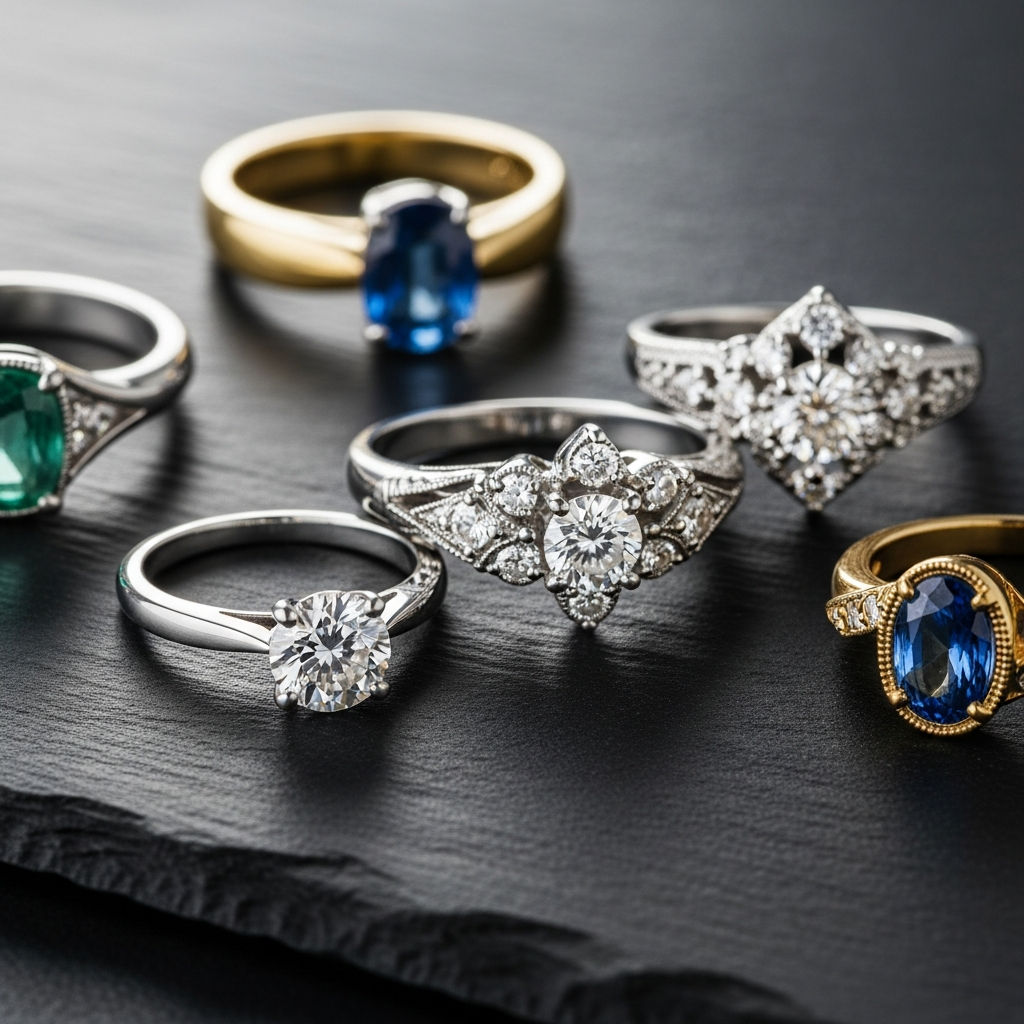
The Ultimate Guide to Rings: History, Styles, and How to Choose the Perfect Piece
Rings are perhaps the most symbolic and versatile pieces of jewelry in human history. From ancient civilizations to modern-day marriage proposals, these circular bands represent eternity, commitment, and personal style. Whether you are looking for an engagement ring that captures a lifetime of love or a bold statement piece to express your individuality, understanding the nuances of rings is essential.
In this comprehensive guide, we will explore the rich history of rings, the various types available today, the metals and gemstones that bring them to life, and practical tips for finding the perfect fit and maintaining your collection.
A Brief History of Rings: From Antiquity to Modernity
The tradition of wearing rings dates back thousands of years. The ancient Egyptians are often credited with the origin of the ring as a symbol of eternity. They believed the circle, with no beginning and no end, represented the immortal spirit and the sun and moon. They crafted rings from materials like braided reeds, leather, and ivory.
The Romans transitioned the ring from a mere symbol to a legal pledge. Iron rings, known as “Anulus Pronubus,” were used in marriage ceremonies to signify a binding agreement. Eventually, gold became the preferred metal for the wealthy, symbolizing status and authority. During the Middle Ages, signet rings became crucial tools for nobility, used to press a unique seal into hot wax to authenticate official documents.
By the Renaissance and Victorian eras, rings became increasingly ornamental, incorporating intricate engravings and colored gemstones. The 20th century saw the rise of the diamond engagement ring, fueled by the iconic “A Diamond is Forever” campaign, which forever linked the gemstone to the concept of eternal romance.
Popular Types of Rings for Every Occasion
Rings serve many purposes, ranging from social status and romantic commitment to pure fashion. Here are the most common types of rings you will encounter:
Engagement Rings
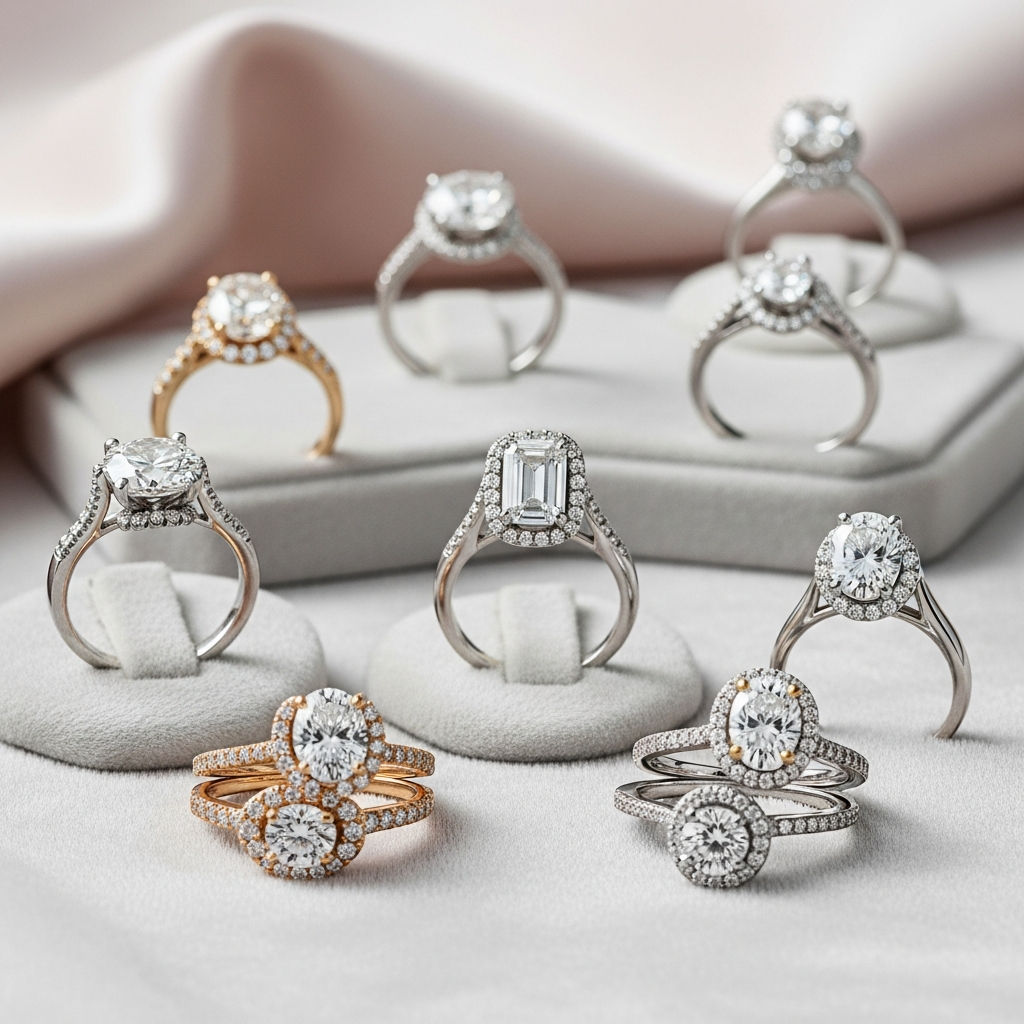
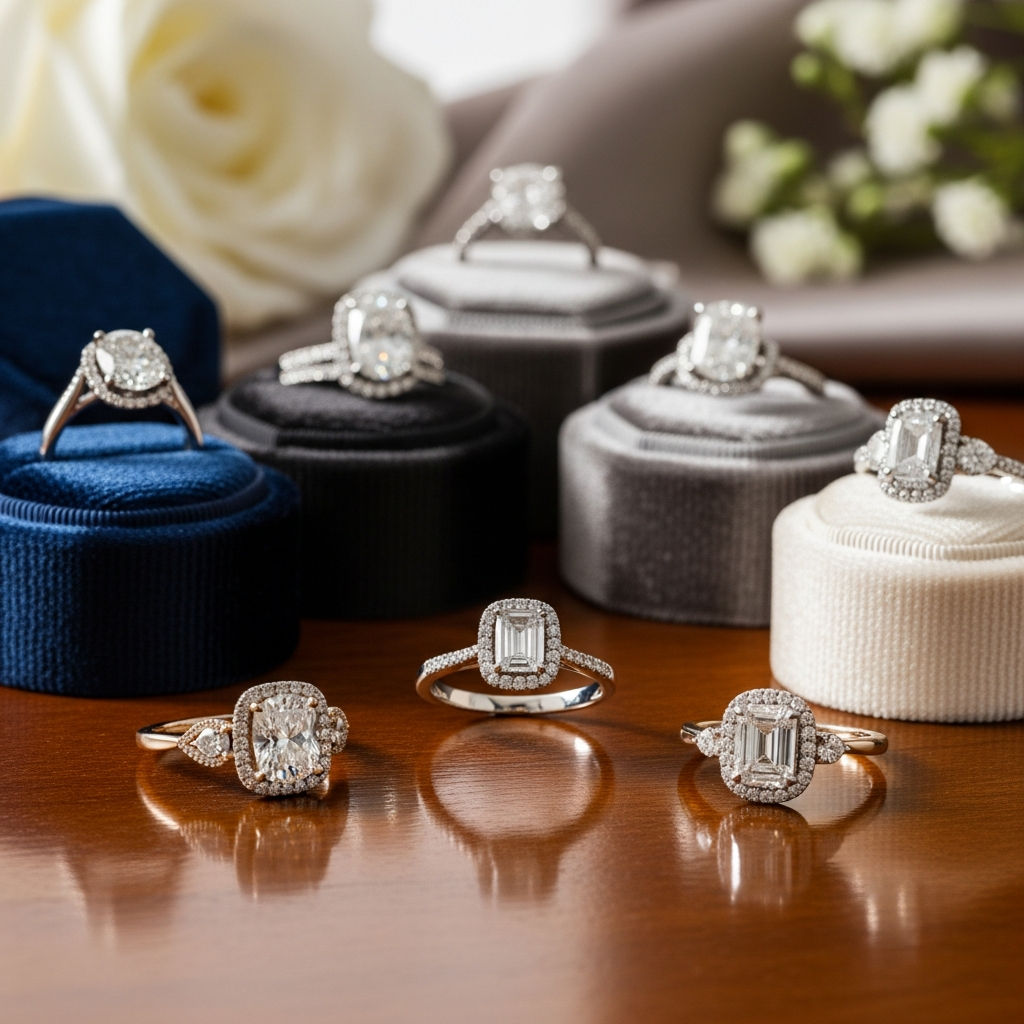
Perhaps the most significant purchase a person will make, the engagement ring signifies a promise of marriage. While the diamond solitaire remains the classic choice, modern couples are increasingly opting for unique designs, including halo settings, three-stone rings, and colorful gemstone centers like sapphires or emeralds.
Wedding Bands
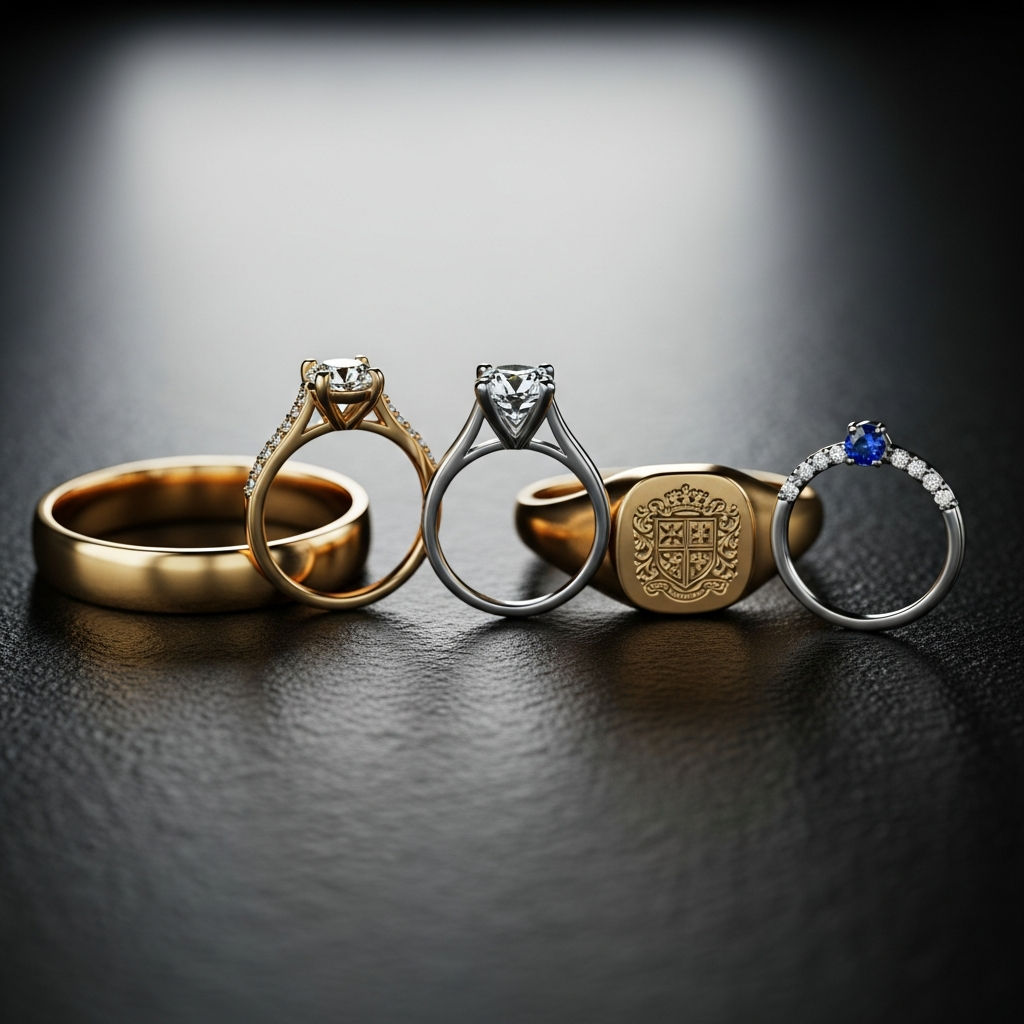
Exchanged during the wedding ceremony, these bands represent the official union between two people. Wedding bands can be simple metal loops or adorned with small diamonds (eternity bands). Many couples choose “bridal sets” where the engagement ring and wedding band are designed to fit perfectly together.
Promise Rings
A promise ring is a precursor to an engagement ring. It represents a commitment between two people in a serious relationship who may not be ready for marriage yet. It can also signify a personal promise, such as a vow of abstinence or a commitment to a goal.
Signet Rings
Traditionally worn on the pinky finger, signet rings feature a flat surface engraved with a family crest, initials, or a personalized symbol. While they were once used as functional seals, they are now worn as a classic fashion statement and a nod to heritage.
Statement and Fashion Rings
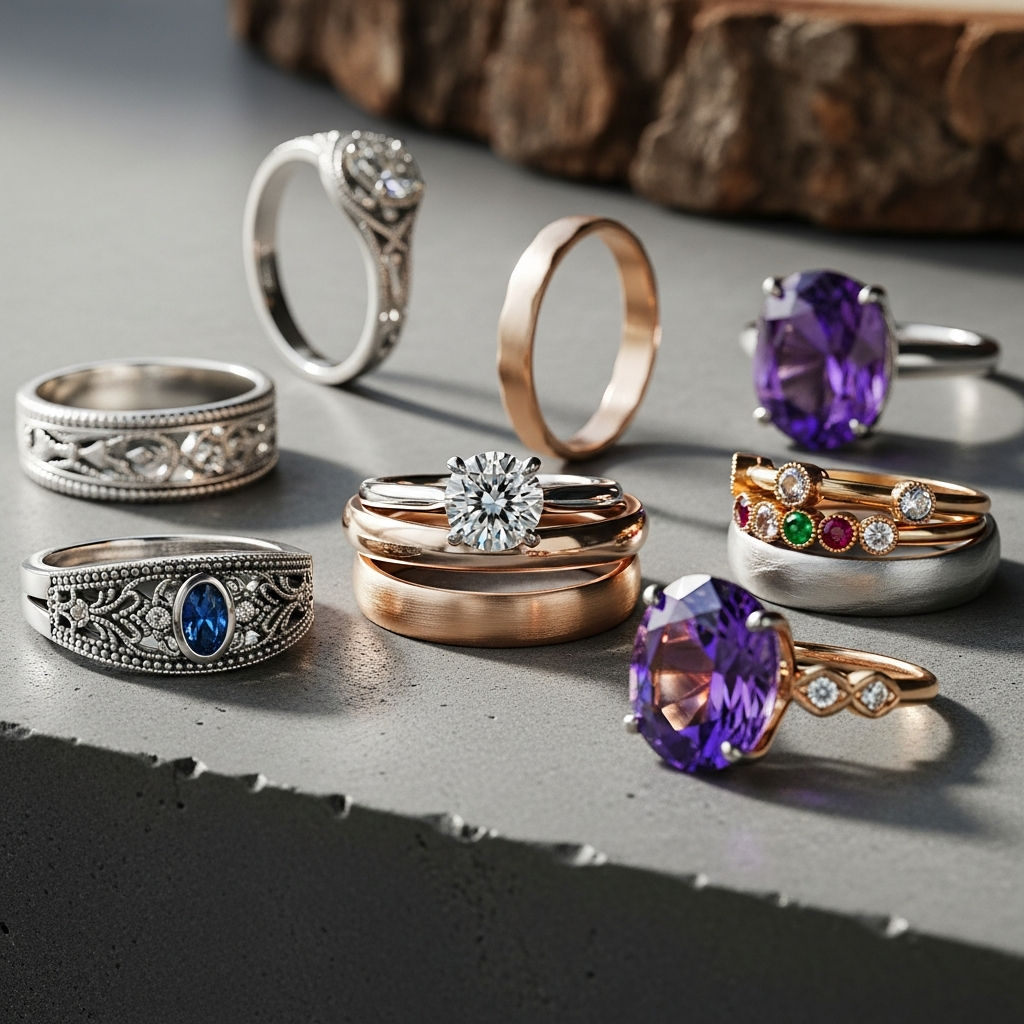
These rings are all about self-expression. They often feature large stones, bold designs, and unconventional materials. Unlike bridal jewelry, fashion rings are usually worn based on current trends or to complement a specific outfit.
Eternity Rings
An eternity ring features a continuous line of identically cut gemstones (usually diamonds) around the entire band. These are typically gifted on significant anniversaries or to celebrate the birth of a child, symbolizing a love that never ends.
Choosing the Right Metal for Your Ring
The metal of a ring provides the foundation for its durability and aesthetic. Your choice of metal should reflect your lifestyle and skin tone.
- Yellow Gold: A timeless classic. Yellow gold is often alloyed with copper and silver to give it strength. It is available in different karats (14k and 18k being the most common).
- White Gold: Created by mixing pure gold with white metals like palladium or nickel and plated with rhodium. It offers a sleek, modern look but may require re-plating every few years to maintain its luster.
- Rose Gold: A romantic, pinkish hue achieved by adding a higher percentage of copper to the gold alloy. It is highly durable and complements almost all skin tones.
- Platinum: A naturally white, dense, and rare metal. Platinum is hypoallergenic and incredibly durable, making it an excellent choice for rings intended for daily wear over a lifetime.
- Sterling Silver: An affordable and beautiful option for fashion rings. However, it is softer than gold or platinum and can tarnish over time, requiring regular cleaning.
- Alternative Metals: Titanium, tungsten, and cobalt are popular for men’s wedding bands due to their extreme hardness, scratch resistance, and modern industrial appearance.
Understanding Gemstones and Settings
While the metal forms the structure, the gemstone and its setting provide the personality of the ring. When choosing a gemstone, many follow the “Four Cs”: Cut, Color, Clarity, and Carat Weight. However, the setting is just as important for protecting the stone and enhancing its brilliance.
Common Ring Settings
- Solitaire: A single stone held by prongs. This setting allows the maximum amount of light to enter the stone, highlighting its sparkle.
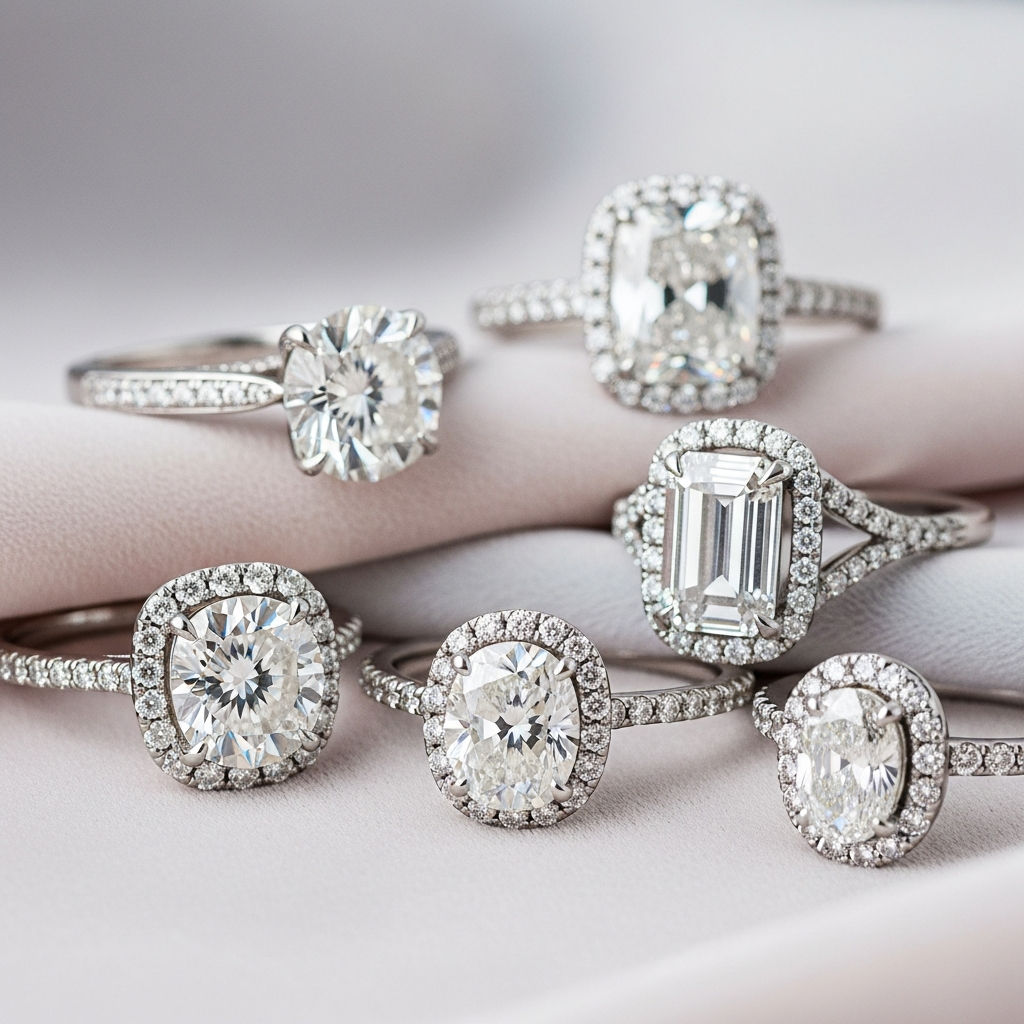
- Halo: A center stone surrounded by a “halo” of smaller diamonds. This makes the center stone appear larger and adds extra brilliance.
- Bezel: The metal wraps around the rim of the gemstone. This is the most secure setting, making it ideal for people with active lifestyles.
- Pavé: The band is “paved” with tiny diamonds, giving the appearance that the entire surface is made of gems.
- Channel: Stones are set into a groove in the band, held in place by the metal walls. This is a popular choice for wedding and eternity bands.
How to Find the Perfect Ring Size
Getting the ring size right is crucial for comfort and security. A ring should be snug enough not to fall off but loose enough to slide over the knuckle with a bit of resistance. Here are a few ways to determine size:
- Professional Sizing: Visit a local jeweler. They use a set of metal sizing rings to provide the most accurate measurement.
- Ring Sizer Tool: Many online retailers offer free plastic ring sizers that you can use at home.
- The String Method: Wrap a piece of string around your finger, mark the overlap, and measure the length against a millimeter ruler. Use a conversion chart to find your size.
Keep in mind that fingers change size based on temperature and time of day. It is best to measure your finger at the end of the day when it is at its largest.
Caring for Your Rings
To ensure your rings last a lifetime and maintain their sparkle, regular maintenance is required. Follow these tips to keep your jewelry in pristine condition:
- Regular Cleaning: Soak your rings in a solution of warm water and mild dish soap. Use a soft-bristled toothbrush to gently scrub away dirt and oils.
- Safe Storage: When not in use, store your rings in a fabric-lined jewelry box. Keep them in separate compartments to prevent them from scratching each other.
- Professional Inspections: Have your rings inspected by a jeweler at least once a year. They will check the prongs to ensure the gemstones are secure and can provide professional polishing.
- Remove During Activities: Take off your rings when gardening, lifting weights, or using harsh chemicals (like bleach) to avoid scratching the metal or damaging the stones.
Conclusion: The Lasting Legacy of a Ring
Rings are more than just accessories; they are vessels for memories, symbols of devotion, and expressions of personal identity. Whether you are selecting a diamond-encrusted band for a proposal or a simple silver stackable ring to celebrate a milestone, the right ring carries a weight of meaning far beyond its physical form.
By understanding the history, materials, and care required for these beautiful pieces, you can make an informed choice that will be cherished for generations. From the ancient deserts of Egypt to the modern jeweler’s bench, the ring remains a perfect circle—a timeless testament to the things we value most.