
The Ultimate Guide to Rings: History, Styles, and Choosing the Perfect Piece
Rings are perhaps the most symbolic and personal form of jewelry a person can wear. From the ancient civilizations that used them as seals of authority to the modern-day exchange of vows, rings represent love, commitment, status, and personal style. Whether you are shopping for a life-changing engagement ring or a trendy stackable band to express your personality, understanding the nuances of materials, settings, and history is essential.
In this comprehensive guide, we will explore the world of rings, covering everything from their rich historical roots to the latest trends in the jewelry industry today. By the end, you will have the knowledge needed to choose a piece that resonates with your aesthetic and lasts a lifetime.
A Brief History of the Ring
The history of rings dates back thousands of years. Ancient Egyptians were among the first to wear “rings of love,” often made from woven reeds or hemp. They viewed the circle as a symbol of eternity—a shape with no beginning and no end. The hole in the center was seen as a gateway to the unknown.
The Romans transitioned these symbols into more durable materials like iron and, eventually, gold. They were also the first to associate rings with legal contracts and marriage. The tradition of wearing a wedding ring on the fourth finger of the left hand stems from the Roman belief in the “vena amoris” or the “vein of love,” which they believed ran directly from that finger to the heart.
During the Middle Ages and the Renaissance, rings became more ornate, featuring intricate engravings and precious gemstones. Signet rings were used by royalty and nobility to sign and seal official documents, making the ring a powerful tool of identity and authority.
Popular Types of Rings and Their Meanings
Today, rings serve various purposes. While many are worn for fashion, others carry deep emotional or social significance. Here are some of the most popular types of rings:
1. Engagement Rings
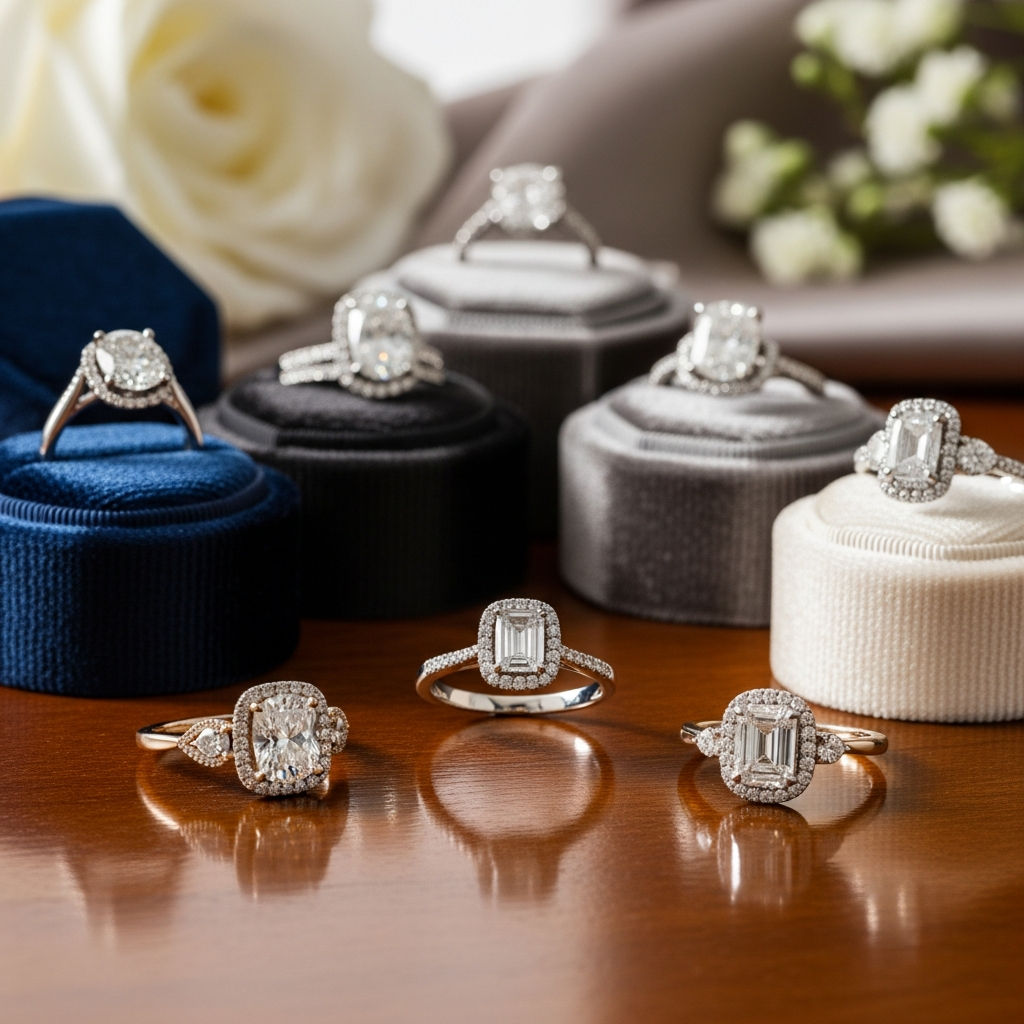
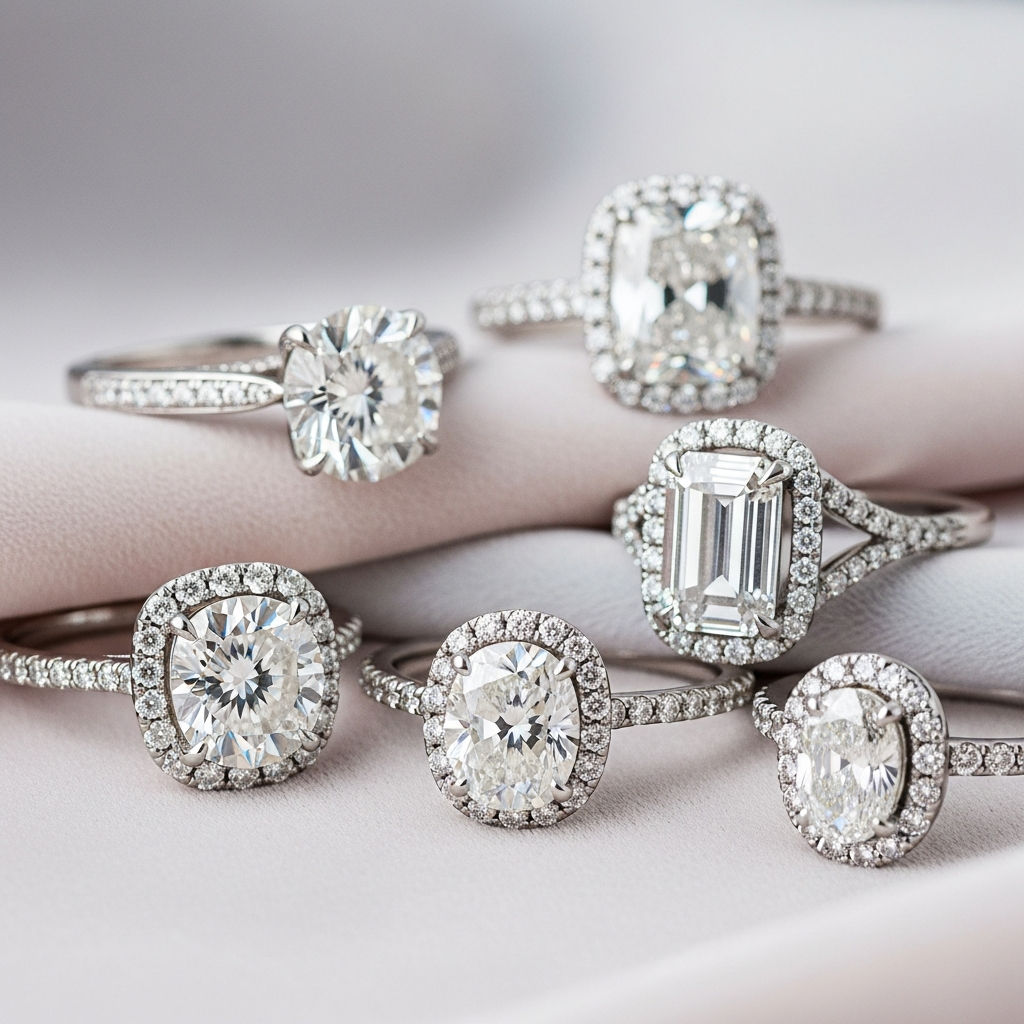
The engagement ring is perhaps the most famous type of ring in Western culture. Traditionally featuring a central diamond, this ring signifies a proposal of marriage. While the classic round solitaire remains a favorite, modern couples are increasingly opting for unique shapes like pear, emerald, and marquise cuts, or even colorful gemstones like sapphires and morganite.
2. Wedding Bands
Exchanged during the wedding ceremony, wedding bands are typically simpler than engagement rings. They represent the official bond of marriage. While traditional plain gold bands are still popular, many people now choose “eternity bands,” which feature a continuous line of small gemstones around the entire circumference of the ring.
3. Promise Rings
A promise ring is a precursor to an engagement ring. It signifies a serious commitment between two people who may not be ready for marriage yet but want to pledge their loyalty and love to one another.
4. Signet Rings
Historically used to stamp wax seals, signet rings have made a major comeback in fashion. They usually feature a flat face engraved with an initial, a family crest, or a unique symbol. They are often worn on the pinky finger and serve as a statement of personal heritage or style.
5. Cocktail and Fashion Rings
These rings are designed for aesthetics rather than symbolism. Cocktail rings are typically large, bold pieces featuring oversized gemstones, designed to be noticed at social gatherings. Fashion rings include stackable bands, midi rings (worn above the knuckle), and thumb rings.

Choosing the Right Metal
The metal you choose for your ring affects its durability, price, and overall look. Here are the most common options available in the jewelry market:
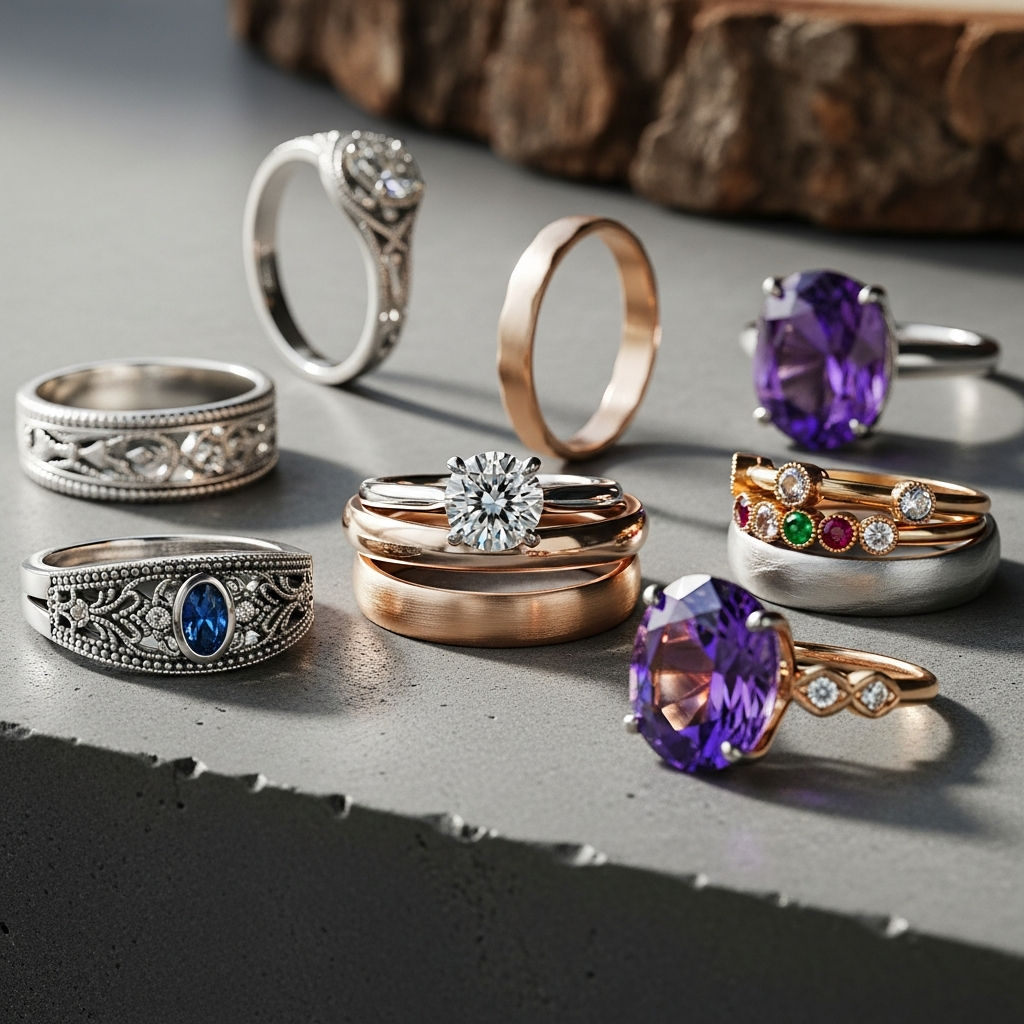
- Yellow Gold: The classic choice. It is usually alloyed with silver and copper to provide strength. 14k gold is more durable for daily wear, while 18k gold has a richer color but is slightly softer.
- White Gold: Created by mixing pure gold with white metals like palladium or nickel and then plating it with rhodium. It offers a sleek, modern look but may require re-plating every few years to maintain its luster.
- Rose Gold: A romantic, pink-hued metal created by increasing the copper content in the alloy. It is highly durable and complements all skin tones.
- Platinum: The most durable and rarest of the precious metals. It is naturally white and hypoallergenic, making it ideal for those with sensitive skin. It develops a “patina” over time, which many enthusiasts find desirable.
- Sterling Silver: An affordable and beautiful option for fashion rings. However, it is softer than gold or platinum and can tarnish over time if not properly maintained.
- Alternative Metals: Metals like tungsten, titanium, and tantalum are popular for men’s wedding bands due to their extreme hardness and modern, industrial appearance.
Understanding Gemstones and Settings
While diamonds are the traditional choice for many rings, the world of gemstones is vast. Sapphires, rubies, and emeralds offer vibrant colors and high durability. More recently, lab-grown diamonds and moissanite have gained popularity as ethical and budget-friendly alternatives to mined diamonds.
Common Ring Settings
The setting is how the stone is secured to the band. It defines the style and safety of the gem:
- Prong Setting: The most common setting, where small metal claws hold the stone in place, allowing maximum light to enter the gem.
- Bezel Setting: A metal rim surrounds the perimeter of the stone. This is the most secure setting and protects the edges of the gemstone from chipping.
- Pavé Setting: Small diamonds are set closely together along the band, creating the illusion that the ring is “paved” with diamonds.
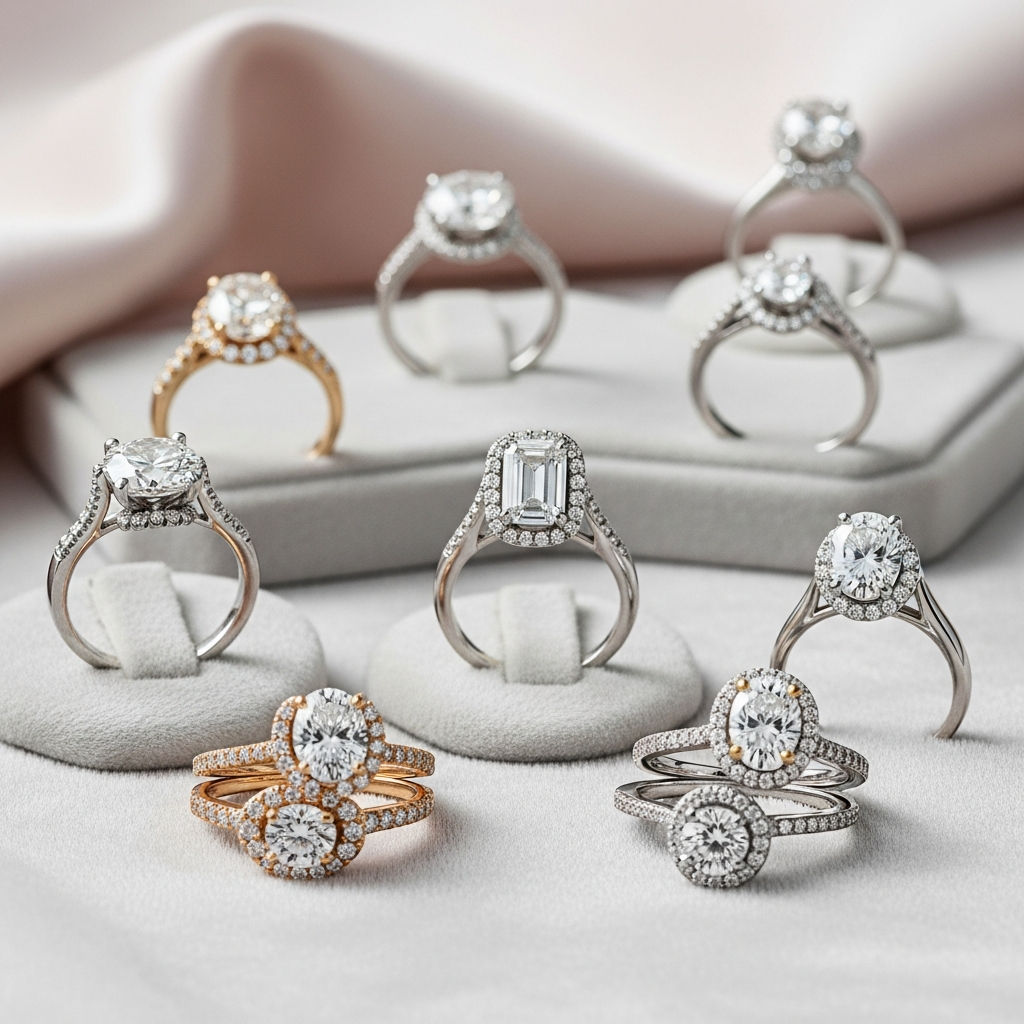
- Halo Setting: A circle of smaller stones surrounds the center stone, making the central gem appear larger and more brilliant.
How to Find Your Correct Ring Size
One of the biggest challenges when buying a ring—especially online—is ensuring a proper fit. A ring should be snug enough not to fall off but loose enough to slide over your knuckle with a bit of resistance.
To find your size at home, you can use a piece of string or a thin strip of paper. Wrap it around the base of your finger, mark the point where the ends meet, and measure the length in millimeters. Compare this to a standard ring size chart. However, for the most accurate results, it is always recommended to visit a professional jeweler who uses metal sizing rings.
Pro Tip: Your fingers change size depending on the temperature and the time of day. It is best to measure your finger at the end of the day when it is at its largest.
Current Trends in Ring Design
The world of jewelry is constantly evolving. Currently, we are seeing a shift toward personalization and sustainability. Here are a few trends dominating the scene:
- Toi et Moi Rings: A French term meaning “you and me,” these rings feature two stones nestled side-by-side, symbolizing two souls becoming one. Celebrity endorsements have made this a top choice for engagement rings.
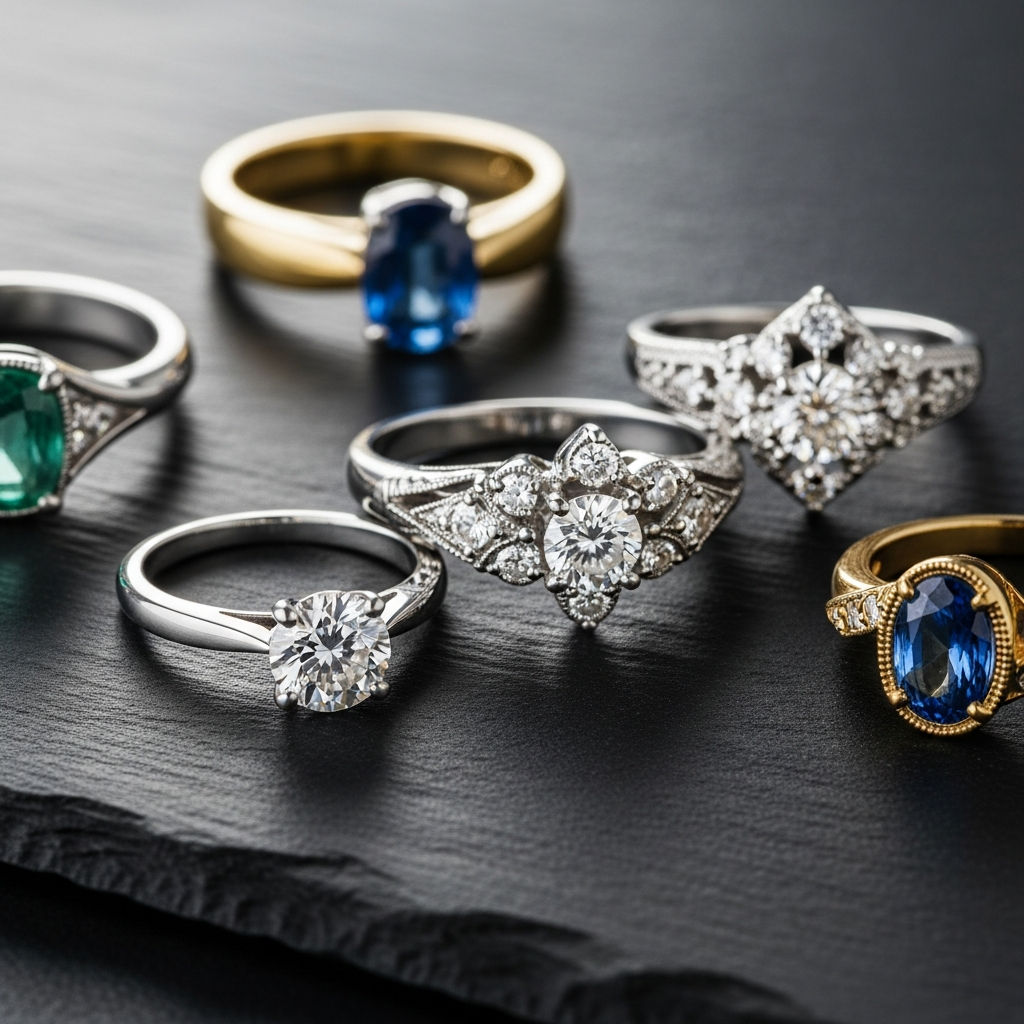
- Vintage and Antique Styles: Art Deco and Victorian-inspired designs featuring milgrain detailing and intricate metalwork are highly sought after by those looking for a timeless aesthetic.
- Sustainable Materials: The rise of lab-grown diamonds and recycled gold has allowed consumers to choose luxury items that align with their environmental values.
- Gender-Neutral Bands: More brands are releasing collections of rings designed to be worn by anyone, focusing on chunky textures and minimalist shapes.
Conclusion
Rings are more than just circular pieces of metal; they are vessels for memories, milestones, and personal expression. Whether you are searching for a diamond solitaire to start a new chapter of your life or a simple gold band to wear every day, understanding the materials and craftsmanship involved will help you make an informed decision.
As you shop for your next piece, remember to consider your lifestyle, your budget, and most importantly, your personal taste. A well-chosen ring is an investment that you will cherish for years, potentially passing it down as a precious heirloom for generations to come.