
The Ultimate Guide to Diamonds: Origins, Grading, and Timeless Appeal
Diamonds have captivated human imagination for millennia. Renowned as the hardest natural substance on Earth, these shimmering gemstones are far more than just symbols of luxury and eternal love; they are geological marvels with a history that stretches back billions of years. Whether you are shopping for an engagement ring, investing in fine jewelry, or simply fascinated by earth sciences, understanding the world of diamonds is essential.
In this comprehensive guide, we will explore how diamonds are formed, how they are graded using the universal “4Cs” standard, the rise of lab-grown alternatives, and the industrial applications that make this crystal indispensable to modern technology.
The Geological Journey: How Diamonds are Formed
The story of a diamond begins deep within the Earth’s mantle, approximately 90 to 150 miles below the surface. Unlike most gemstones that form in the Earth’s crust, diamonds require extreme conditions to materialize. They are composed of a single element: carbon. Under immense pressure (exceeding 725,000 pounds per square inch) and staggering temperatures (between 2,000 and 2,200 degrees Fahrenheit), carbon atoms bond in a unique crystal structure that grants the diamond its legendary hardness.
These stones remain underground for millions, sometimes billions, of years until they are brought toward the surface by deep-seated volcanic eruptions. These eruptions travel through “pipes” known as kimberlite or lamproite. By the time humans discover them in mines or riverbeds, these stones have survived a journey more volatile than any other material on the planet.
Understanding the 4Cs: The Universal Standard for Diamond Quality
In the mid-20th century, the Gemological Institute of America (GIA) established the “4Cs” to provide a consistent way to describe and value diamonds. Today, this is the global language used by jewelers and consumers alike.
1. Cut: The Engine of Brilliance
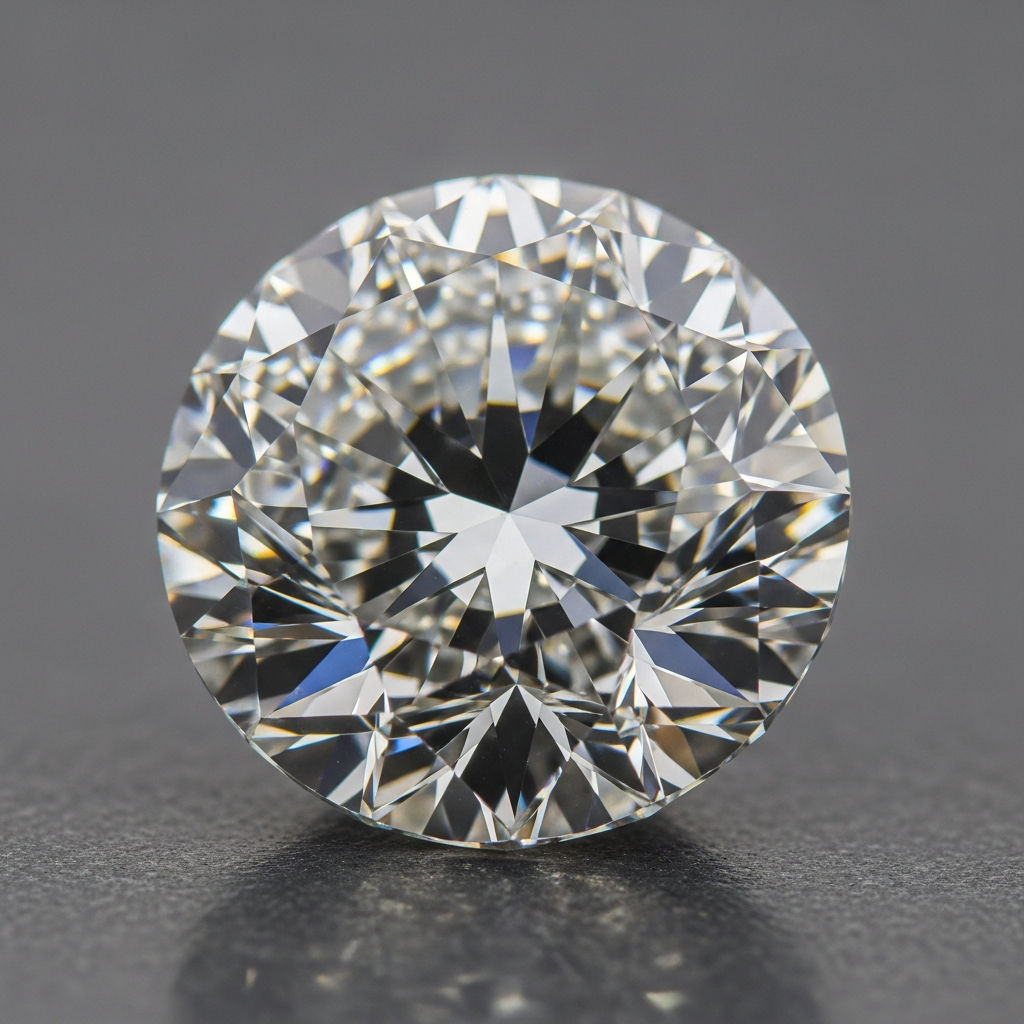
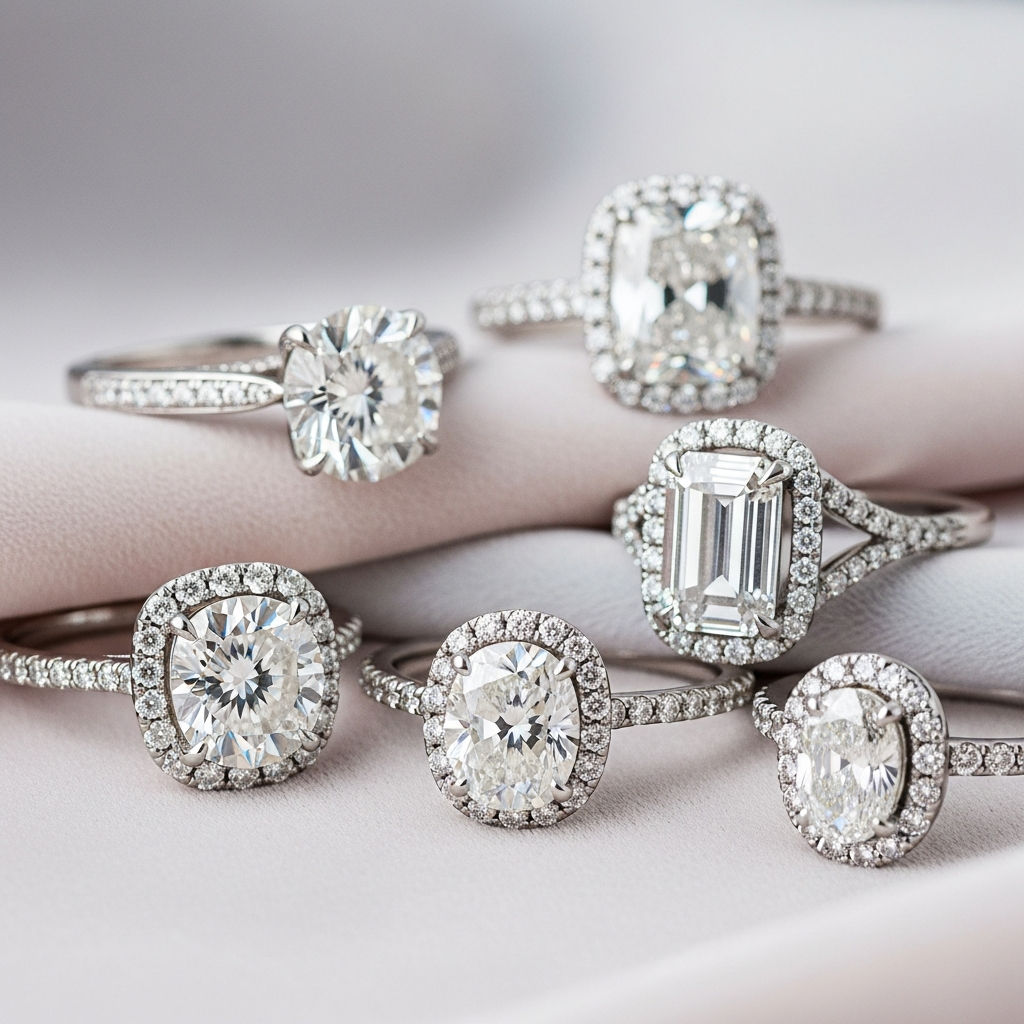
While many people confuse “cut” with the shape of the diamond (such as round, pear, or emerald), it actually refers to how well a diamond’s facets interact with light. A well-cut diamond reflects light internally from one facet to another and disperses it through the top. If a cut is too shallow or too deep, light leaks out the bottom or sides, resulting in a dull appearance. The cut is widely considered the most important of the 4Cs because it determines the stone’s sparkle.
2. Color: The Absence of Tint
In the world of white diamonds, the “best” color is actually no color at all. The GIA color scale ranges from D (completely colorless) to Z (light yellow or brown). Truly colorless diamonds are exceptionally rare and highly valued. However, it is important to note that “Fancy Color Diamonds”—such as blues, pinks, and yellows—follow a different grading scale and are prized for the intensity of their hue.
3. Clarity: Nature’s Fingerprints
Because diamonds are formed under extreme heat and pressure, they often contain internal “inclusions” or surface “blemishes.” Clarity refers to the absence of these characteristics. The scale ranges from Flawless (no inclusions visible under 10x magnification) to Included (inclusions visible to the naked eye). Most diamonds fall into the VS (Very Slightly Included) or SI (Slightly Included) categories, where flaws are invisible without a microscope.
4. Carat Weight: Size vs. Value
Carat weight measures a diamond’s apparent size. One carat is equal to 200 milligrams. While larger diamonds are rarer and more expensive, two diamonds of equal carat weight can have very different values depending on their Cut, Color, and Clarity. A smaller, well-cut diamond will often look more impressive than a larger, poorly cut one.

Natural vs. Lab-Grown Diamonds: A Modern Choice
One of the most significant shifts in the jewelry industry is the rise of lab-grown diamonds. It is crucial to understand that lab-grown diamonds are not “fakes” or “simulants” like Cubic Zirconia or Moissanite. They are chemically, physically, and optically identical to natural diamonds.
- Natural Diamonds: These are finite resources created by nature over billions of years. They hold a unique “rarity” value and typically have a higher resale value.
- Lab-Grown Diamonds: Created in controlled laboratory environments using processes like High Pressure High Temperature (HPHT) or Chemical Vapor Deposition (CVD). They are generally 30% to 50% less expensive than natural stones and appeal to eco-conscious consumers looking for a sustainable alternative.
Beyond Jewelry: The Industrial Power of Diamonds
While we most often see diamonds in engagement rings, approximately 80% of mined diamonds are used for industrial purposes. Because of their unmatched hardness and thermal conductivity, diamonds are vital to various sectors:
- Cutting and Drilling: Diamond-tipped drill bits are used in oil and gas exploration to pierce through hard rock layers.
- Precision Tools: Diamond saws and grinding wheels are essential for manufacturing automobile parts and aerospace components.
- Technology: Due to their ability to conduct heat while remaining an electrical insulator, diamonds are being researched for use in high-performance semiconductors and quantum computing.
- Medicine: Diamond scalpels allow surgeons to make incredibly precise incisions, particularly in ophthalmology and neurosurgery.
Ethical Sourcing and the Kimberley Process
In the past, the diamond industry faced scrutiny over “conflict diamonds”—stones sold to fund military actions against governments. To combat this, the Kimberley Process Certification Scheme (KPCS) was established in 2003. This international initiative prevents conflict diamonds from entering the mainstream rough diamond market.
Today, the majority of diamonds are ethically sourced, providing jobs and infrastructure to mining communities in countries like Botswana, Canada, and Australia. When purchasing a diamond, always ask for a certificate from a reputable lab (like the GIA or IGI) and inquire about the jeweler’s sourcing policy to ensure your purchase is conflict-free.
How to Care for Your Diamond Jewelry
Diamonds are durable, but they are not indestructible. They can chip if struck at the right angle, and they are “grease magnets,” meaning oils from your skin can quickly dull their brilliance. To keep your diamond sparkling:
- Regular Cleaning: Soak your diamond in a solution of warm water and mild dish soap once a week. Use a soft toothbrush to gently scrub away dirt.
- Safe Storage: Store diamonds in separate soft pouches. Because diamonds are so hard, they can easily scratch other jewelry, including other diamonds.
- Professional Check-ups: Take your diamond to a jeweler once a year to ensure the prongs are secure. Losing a stone due to a loose setting is a common but preventable tragedy.
Conclusion: The Enduring Legacy of the Diamond
From the depths of the Earth to the tips of high-tech drill bits and the ring fingers of millions, the diamond remains one of the most versatile and cherished substances in existence. Its combination of physical strength and ethereal beauty ensures that it will never go out of style. Whether you value a diamond for its geological history, its industrial utility, or its romantic symbolism, understanding its journey and its quality will help you appreciate this “king of gems” for a lifetime.
As the industry continues to evolve with lab-grown technology and stricter ethical standards, the diamond remains a testament to the incredible things that can happen when carbon meets time, heat, and pressure.