“`html
The Ultimate Guide to Diamonds: Beauty, Science, and Timeless Value
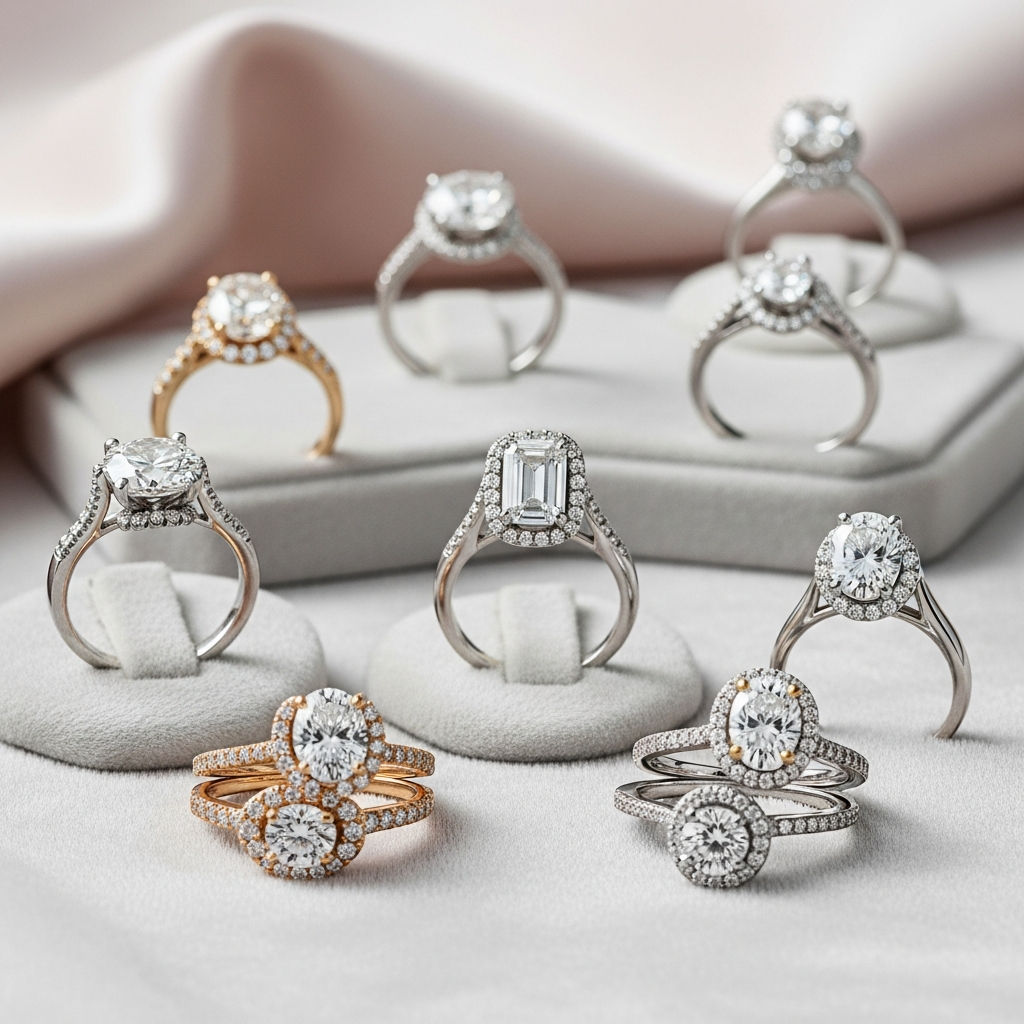
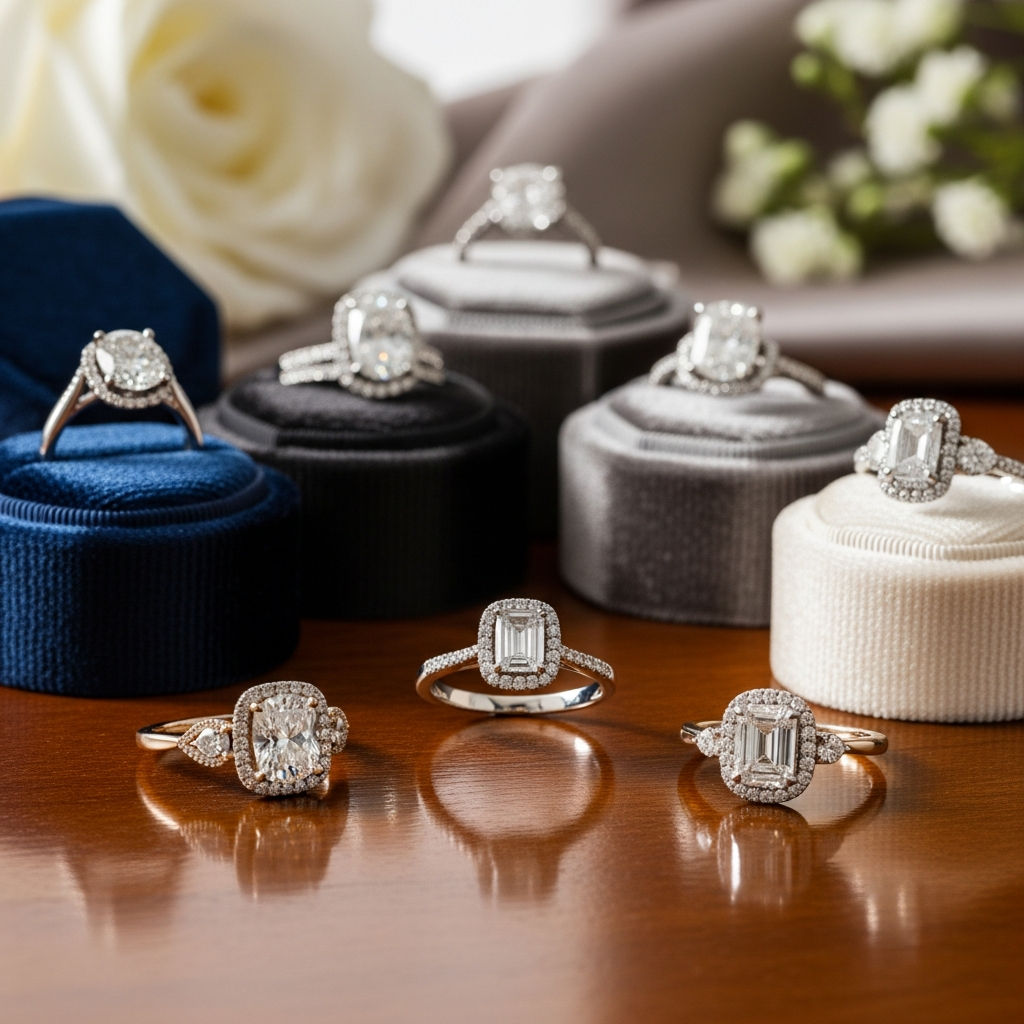
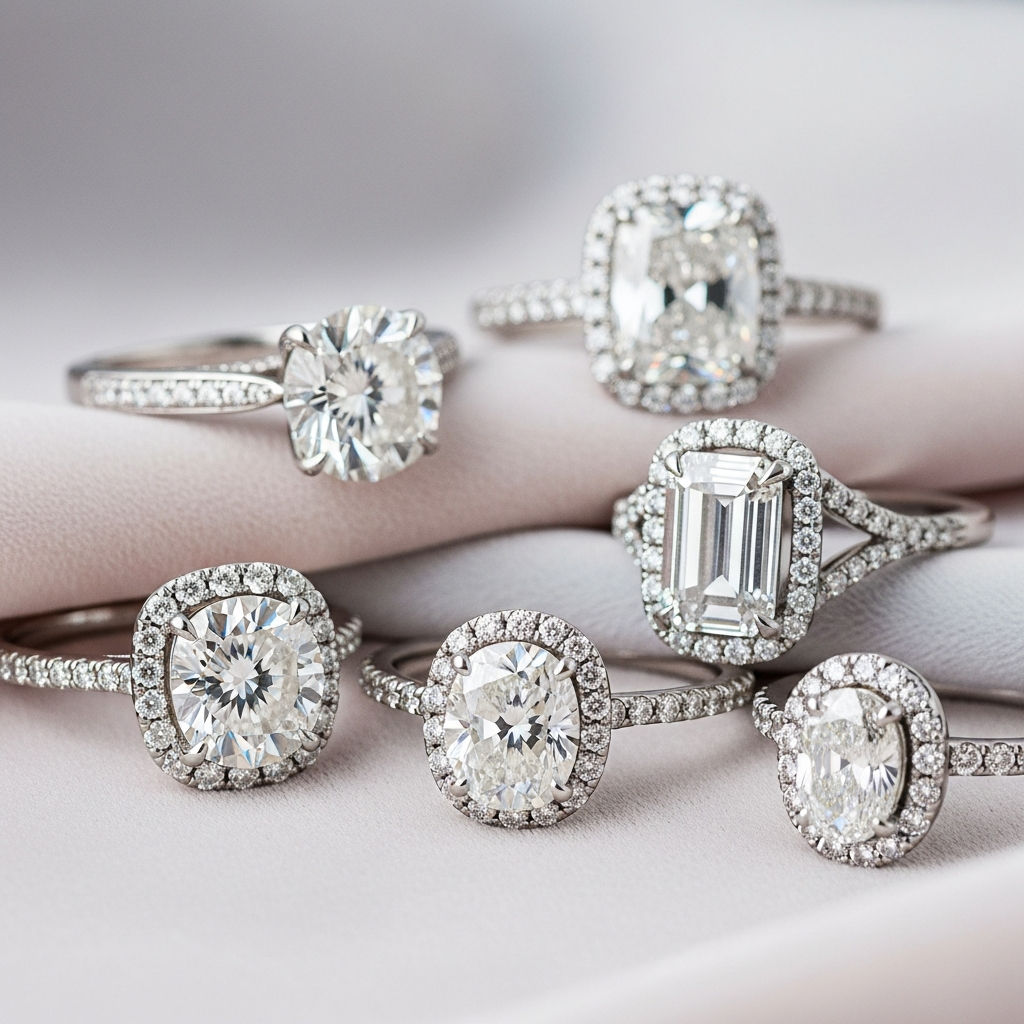
Diamonds have long been regarded as the ultimate symbol of luxury, love, and endurance. As the hardest known natural substance on Earth, these glittering gemstones are much more than just decorative ornaments; they are geological wonders that take billions of years to form. Whether you are looking to purchase an engagement ring or are simply fascinated by the science of mineralogy, understanding the world of diamonds is a journey through history, chemistry, and artistry.
In this comprehensive guide, we will explore how diamonds are formed, the criteria used to grade their quality, the rise of lab-grown alternatives, and their diverse uses across various industries.
How Diamonds Are Formed: A Journey from the Deep Earth
The story of a diamond begins approximately 100 miles below the Earth’s surface. Unlike many other gemstones that form in the Earth’s crust, diamonds require the intense heat and pressure found only in the upper mantle. Here, carbon atoms are subjected to temperatures of at least 2,000 degrees Fahrenheit and pressures of 725,000 pounds per square inch.
Under these extreme conditions, carbon atoms bond in a unique, cubic crystal structure that gives the diamond its legendary hardness. These stones are eventually brought closer to the surface through deep-seated volcanic eruptions, traveling through conduits known as Kimberlite pipes. Most natural diamonds found today were formed between 1 billion and 3.5 billion years ago, making them some of the oldest objects you can ever touch.
The 4Cs: Determining Diamond Quality and Value
When it comes to assessing the value of a diamond, the industry adheres to a global standard known as the “4Cs.” Established by the Gemological Institute of America (GIA), these four factors determine the rarity and price of a stone.
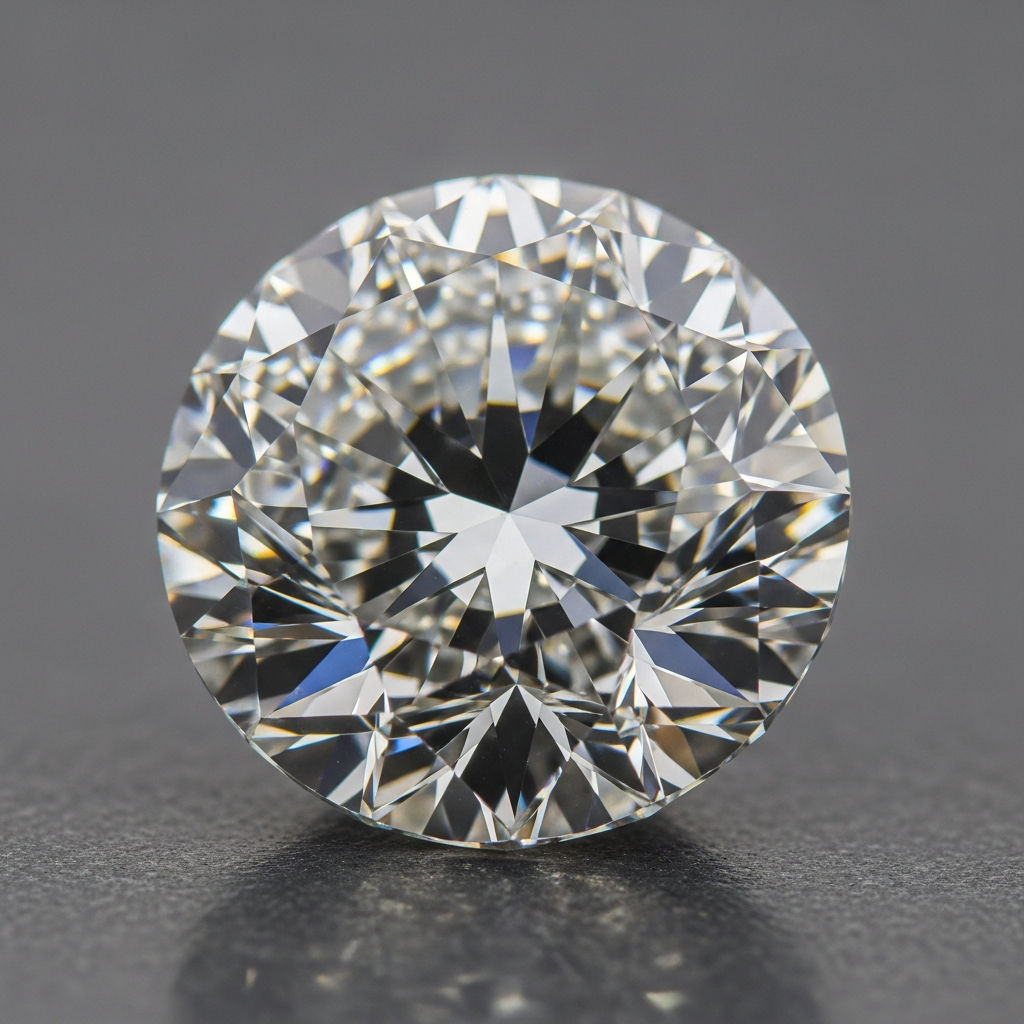
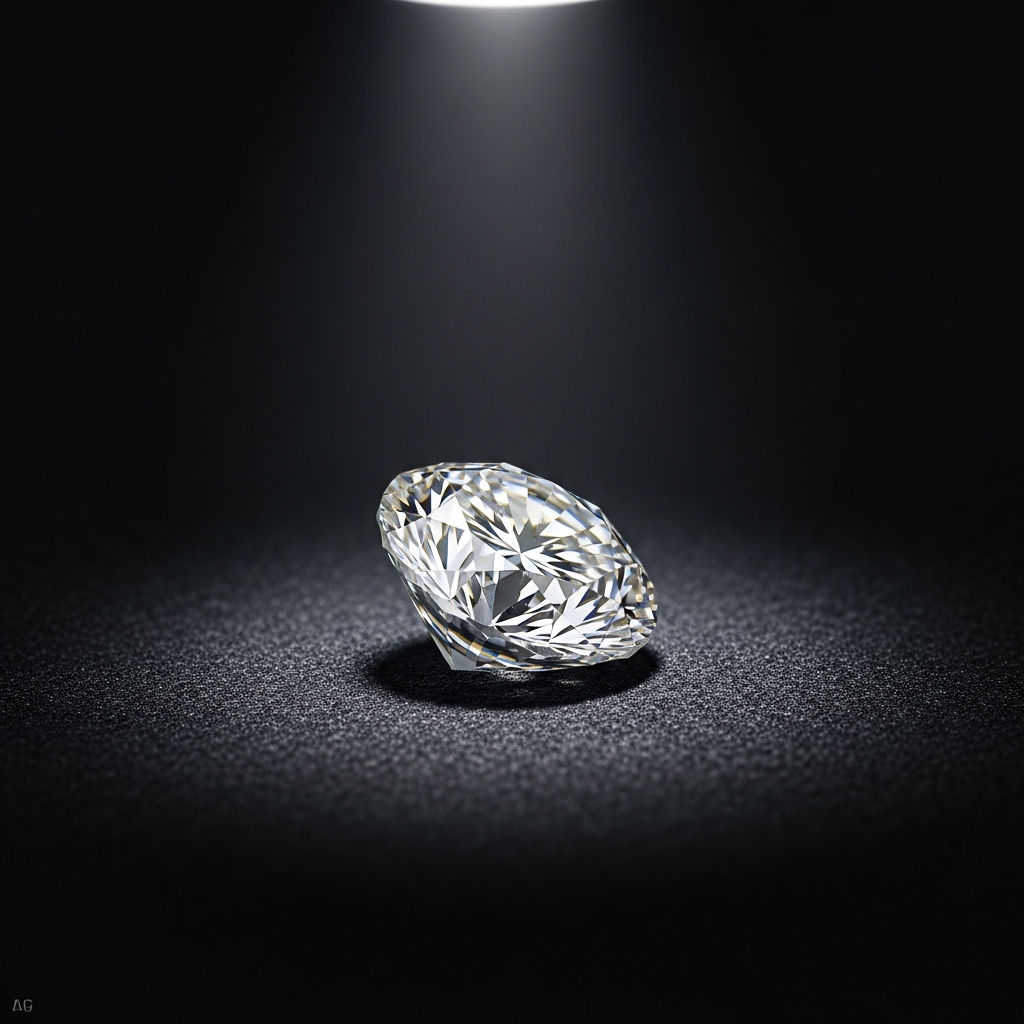
- Cut: Often considered the most important “C,” the cut refers to how well a diamond’s facets interact with light. A well-cut diamond reflects light internally from one facet to another and disperses it through the top, creating “brilliance” and “fire.”
- Color: Most gem-quality diamonds range from colorless to light yellow or brown. The GIA scale runs from D (completely colorless) to Z (light color). The closer a diamond is to being colorless, the higher its value.
- Clarity: This measures the presence of internal features called “inclusions” and surface irregularities called “blemishes.” A “Flawless” diamond is extremely rare, with most stones containing microscopic characteristics that do not affect their beauty to the naked eye.
- Carat Weight: This is the measurement of how much a diamond weighs. One carat is equal to 200 milligrams. While larger diamonds are rarer and more expensive, the value is also heavily influenced by the other three Cs.
Natural vs. Lab-Grown Diamonds: What You Need to Know
In recent years, the jewelry market has seen a surge in lab-grown diamonds. It is important to note that lab-grown diamonds are chemically, physically, and optically identical to natural diamonds. They are not “fakes” like cubic zirconia or moissanite; they are real diamonds created in a controlled environment.
There are two primary methods for creating lab diamonds:
- HPHT (High Pressure High Temperature): This method mimics the natural conditions of the Earth’s mantle.
- CVD (Chemical Vapor Deposition): This involves using a “seed” diamond in a vacuum chamber filled with carbon-rich gas, which crystallizes onto the seed.
The primary advantage of lab-grown diamonds is their price point—they are typically 30% to 50% less expensive than natural diamonds. Furthermore, they offer a guaranteed “conflict-free” origin, appealing to ethically conscious consumers.
The History and Symbolism of Diamonds
The name “diamond” is derived from the Greek word adamas, meaning “unconquerable.” Historically, the first diamonds were discovered in India over 2,000 years ago. They were used as talismans to ward off evil and were believed to provide strength and courage in battle.
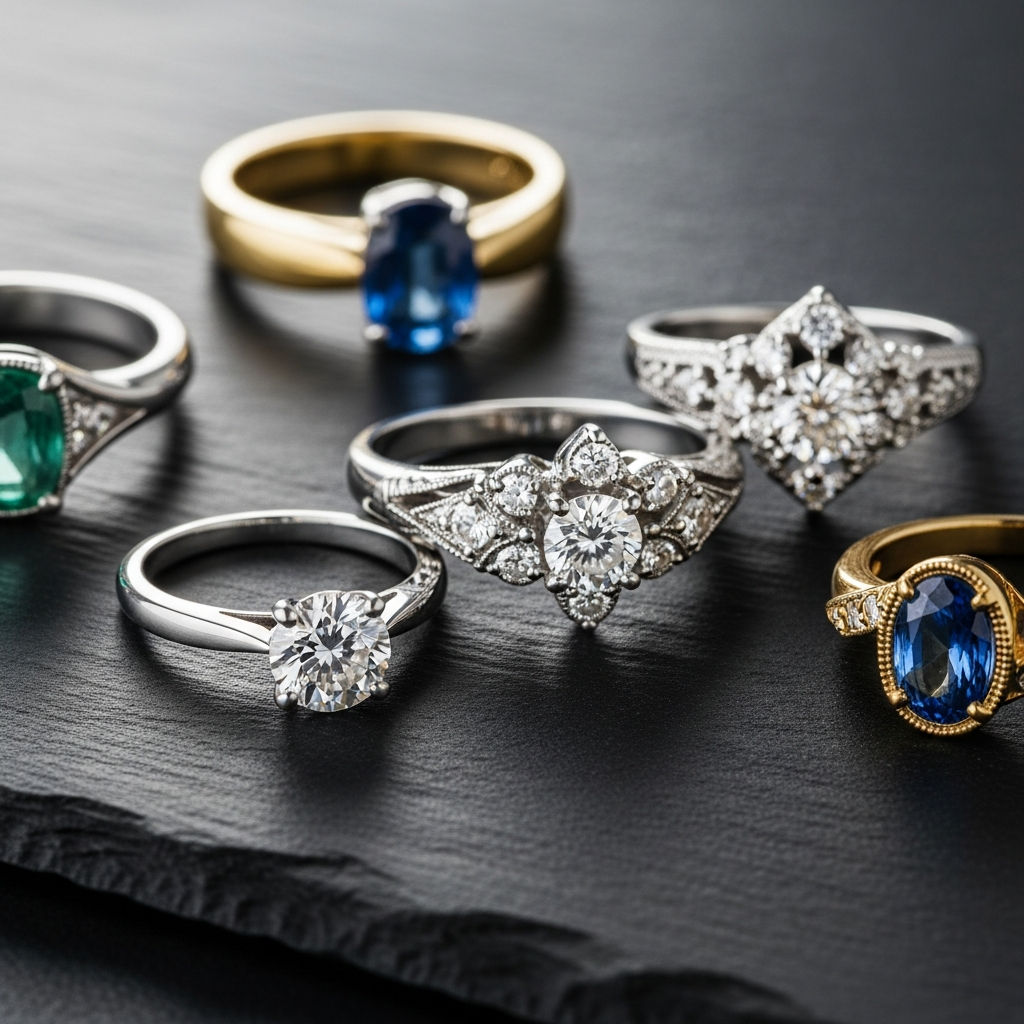
The tradition of the diamond engagement ring began in 1477, when Archduke Maximilian of Austria proposed to Mary of Burgundy with a diamond ring. However, it wasn’t until the late 19th century—following the discovery of massive diamond mines in South Africa—that diamonds became accessible to the general public. The famous “A Diamond is Forever” marketing campaign by De Beers in the 1940s further cemented the stone’s status as the quintessential symbol of commitment.
Beyond the Sparkle: Industrial Applications
While we most commonly associate diamonds with jewelry, approximately 80% of the world’s diamonds are used for industrial purposes. Because they rank 10 on the Mohs scale of mineral hardness, they are indispensable in sectors that require precision cutting and grinding.
Industrial applications include:
- Cutting Tools: Diamond-tipped saws and drills are used to cut through stone, concrete, and metals.
- Medical Equipment: Diamond scalpels are used in delicate surgeries, such as eye surgery, because they can maintain an incredibly sharp edge.
- Electronics: Due to their high thermal conductivity, diamonds are used as heat sinks in high-performance computers and laser equipment.
- Abrasives: Diamond dust is used to polish other gemstones and finish precision mechanical parts.
Ethical Sourcing and the Kimberley Process
In the late 1990s, the diamond industry faced significant scrutiny regarding “blood diamonds”—stones mined in war zones to finance insurgency and warlords. To combat this, the Kimberley Process Certification Scheme was established in 2003.
This international initiative requires participating nations to certify that rough diamonds are “conflict-free.” Today, over 99% of the world’s diamonds are sourced from conflict-free areas. Modern consumers are increasingly looking for brands that offer full traceability, ensuring that the workers are paid fairly and that the environmental impact of mining is minimized.
How to Care for Your Diamond Jewelry
While diamonds are durable, they are not indestructible. They can be chipped by a sharp blow or scratched by another diamond. To keep your diamond sparkling, follow these maintenance tips:
- Regular Cleaning: Soak your diamond in a mixture of warm water and mild dish soap. Use a soft toothbrush to gently scrub away oils and dirt.
- Safe Storage: Store diamond jewelry in separate compartments or soft pouches to prevent them from scratching other pieces.
- Professional Inspections: Have your jewelry checked by a professional jeweler once a year to ensure the settings and prongs are secure.
Conclusion: The Enduring Legacy of the Diamond
Diamonds continue to captivate the human imagination like no other gemstone. They represent a unique intersection of geological history, sophisticated physics, and deep emotional connection. Whether you value a diamond for its investment potential, its industrial utility, or its romantic symbolism, it remains one of the most remarkable substances on the planet.
As technology advances, our ability to appreciate and utilize diamonds—both natural and lab-grown—will only grow. By understanding the 4Cs and the history of these stones, you can make an informed decision and cherish your diamond for a lifetime.
“`