
The Ultimate Guide to Diamonds: Nature’s Most Brilliant Treasure
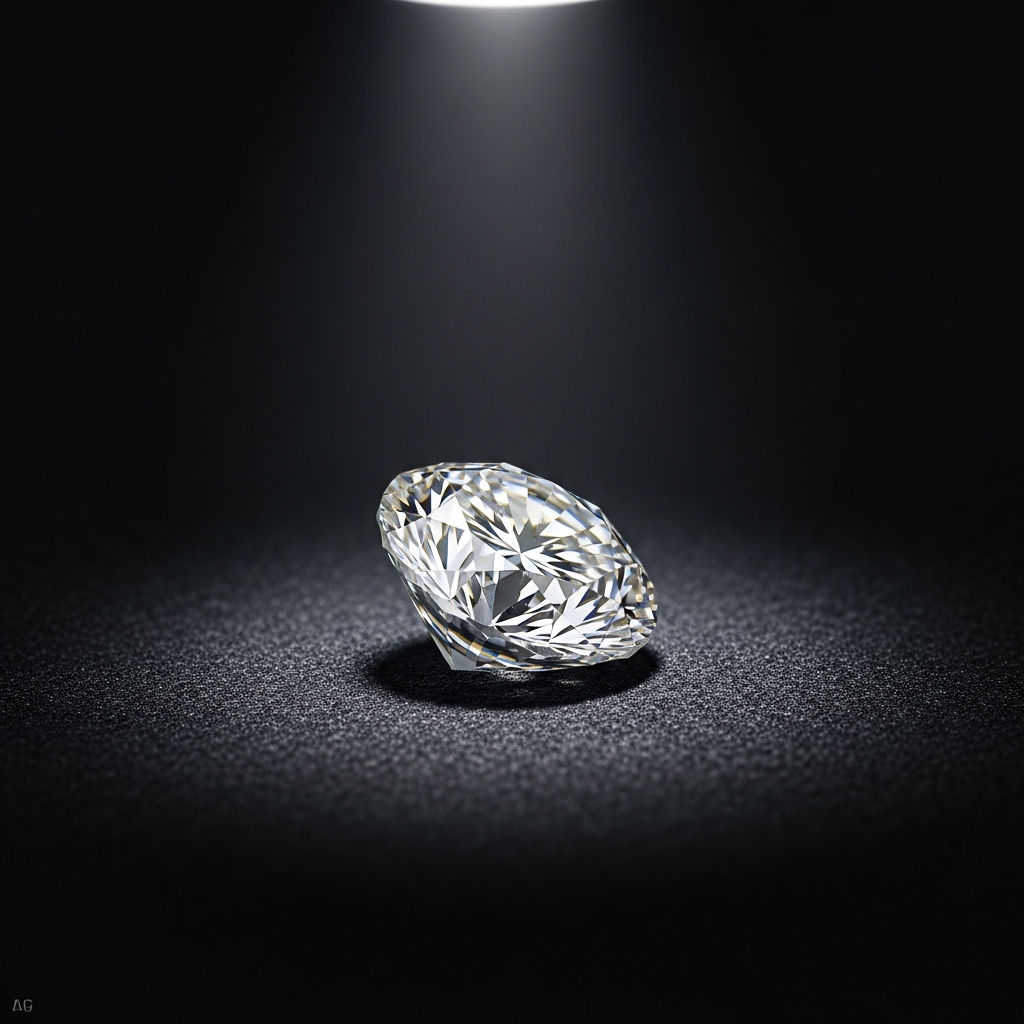
For centuries, diamonds have stood as the ultimate symbol of love, luxury, and endurance. From the depths of the Earth’s mantle to the crowns of royalty, these sparkling gemstones have captivated human imagination like no other material. Whether you are looking for an engagement ring, an investment piece, or simply want to understand the science behind the sparkle, this comprehensive guide covers everything you need to know about diamonds.
What is a Diamond? The Science of Brilliance
At its most basic level, a diamond is a solid form of the element carbon with its atoms arranged in a crystal structure called diamond cubic. This unique atomic bonding makes diamonds the hardest naturally occurring substance on Earth, scoring a perfect 10 on the Mohs scale of mineral hardness.
Natural diamonds are formed deep within the Earth—roughly 90 to 150 miles below the surface—under conditions of extreme heat and immense pressure. Over billions of years, volcanic eruptions brought these stones closer to the surface through pipes known as kimberlite, where they were eventually discovered by humans.
Understanding the 4Cs: The Standard for Diamond Quality
When evaluating a diamond’s beauty and value, the jewelry industry uses a globally accepted standard known as the 4Cs. Created by the Gemological Institute of America (GIA), these criteria help buyers understand exactly what they are purchasing.
1. Cut
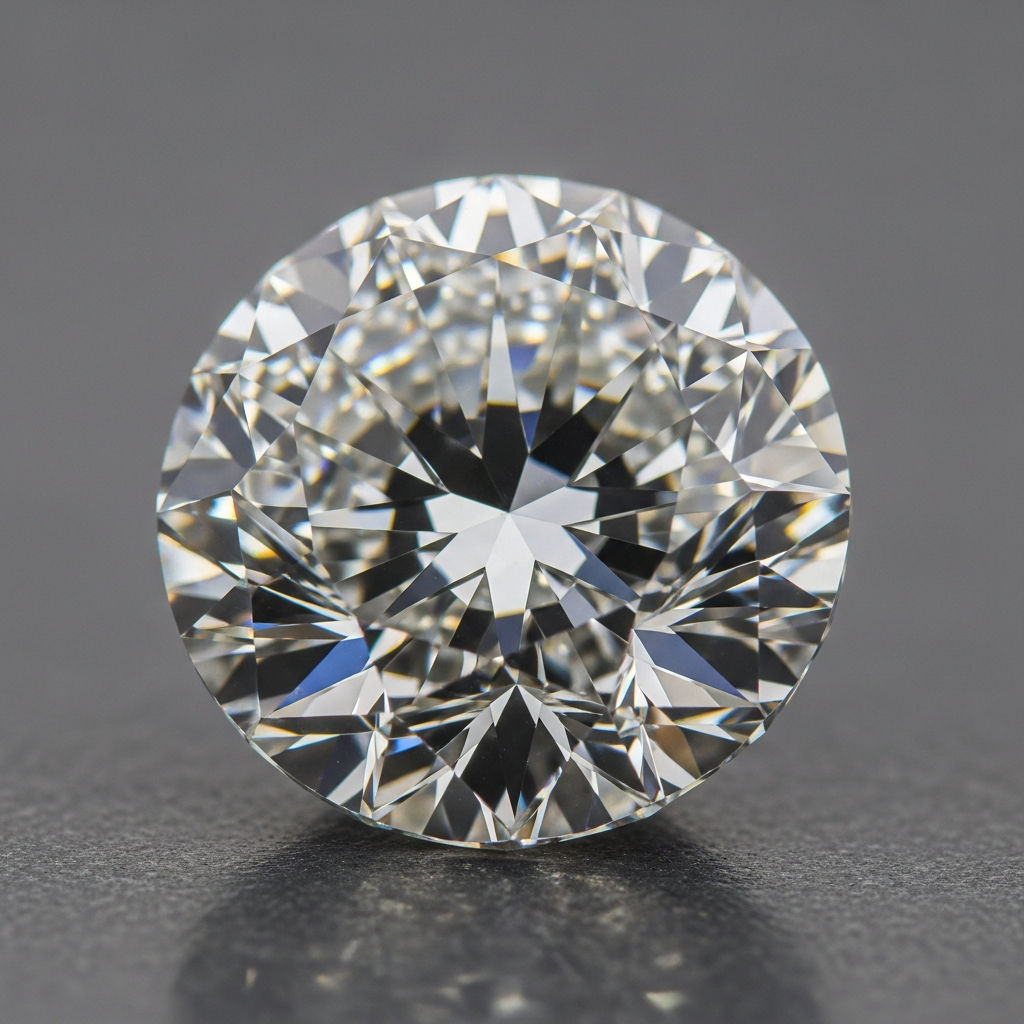
Often considered the most important of the 4Cs, the Cut refers to how well a diamond’s facets interact with light. It is not to be confused with “shape” (like round, pear, or princess). A well-cut diamond reflects light internally and disperses it through the top, creating that signature “fire” and brilliance. Cut grades range from Excellent to Poor.
2. Color
In white diamonds, the absence of color is what determines value. The GIA scale ranges from D (completely colorless) to Z (light yellow or brown).
- D-F: Colorless (rarest and most expensive).
- G-J: Near-colorless (looks white to the naked eye).
- K-M: Faint tint.
Beyond the Z grade, diamonds enter the realm of “Fancy Colors,” such as rare blues, pinks, and yellows.
3. Clarity
Clarity measures the purity of the stone. Natural diamonds often have internal characteristics called “inclusions” or surface irregularities called “blemishes.” The clarity scale ranges from Flawless (FL) to Included (I). Most inclusions are microscopic and do not affect the diamond’s beauty to the naked eye.
4. Carat Weight
Carat refers to the diamond’s weight, not its physical size. One carat is equal to 200 milligrams. While larger diamonds are rarer and more expensive, two diamonds of equal carat weight can have very different values depending on their Cut, Color, and Clarity.
Natural Diamonds vs. Lab-Grown Diamonds
In recent years, the jewelry market has seen a massive surge in the popularity of lab-grown diamonds. Understanding the difference is essential for modern buyers.
Natural Diamonds
Natural diamonds are billions of years old. They are finite resources, which contributes to their high resale value and prestige. For many, the “miracle of nature” aspect is what makes a natural diamond special.
Lab-Grown Diamonds
Lab-grown diamonds are chemically, physically, and optically identical to natural diamonds. They are created in laboratories using processes like Chemical Vapor Deposition (CVD) or High Pressure High Temperature (HPHT).

- Affordability: Lab-grown diamonds can be 60% to 80% cheaper than natural ones.
- Ethics: They are often marketed as a more sustainable and conflict-free alternative.
- Value: Unlike natural diamonds, lab-grown stones have very little resale value because they can be produced in unlimited quantities.
The Most Popular Diamond Shapes
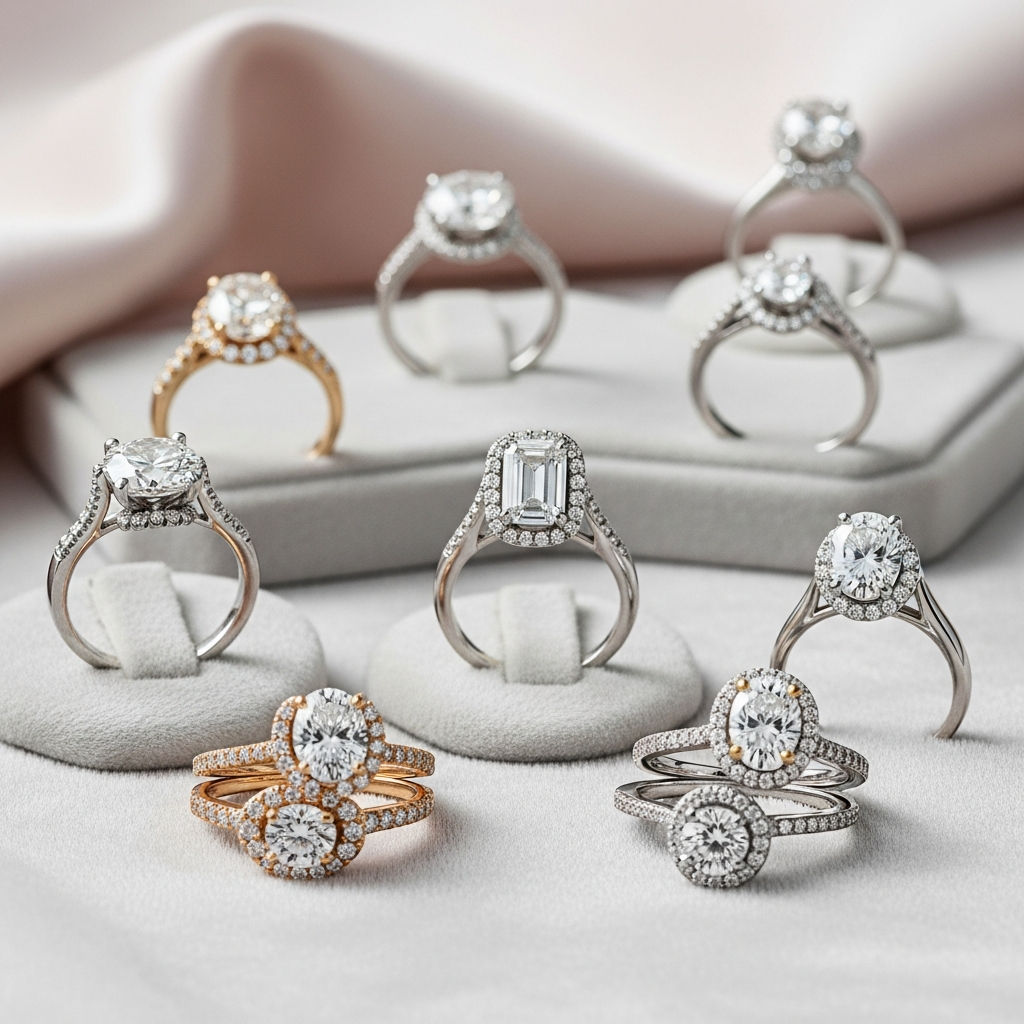
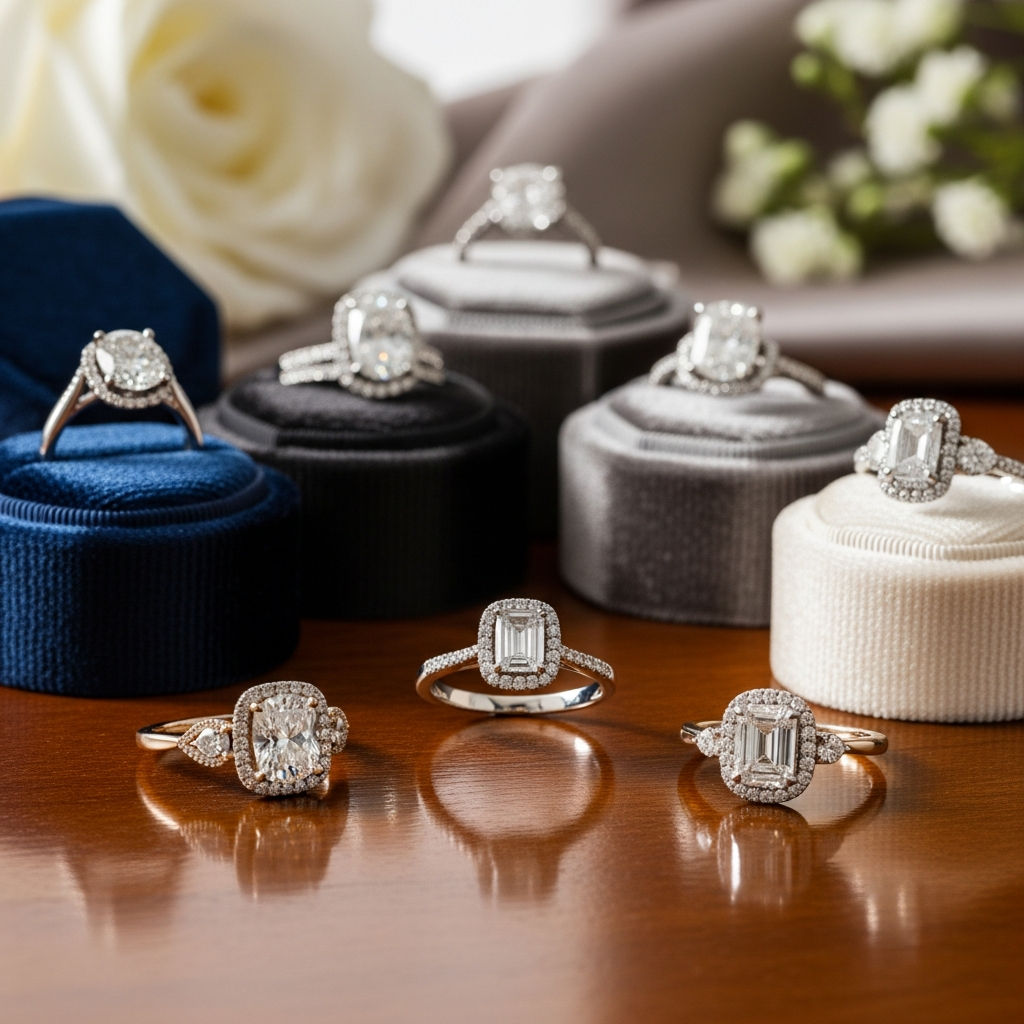
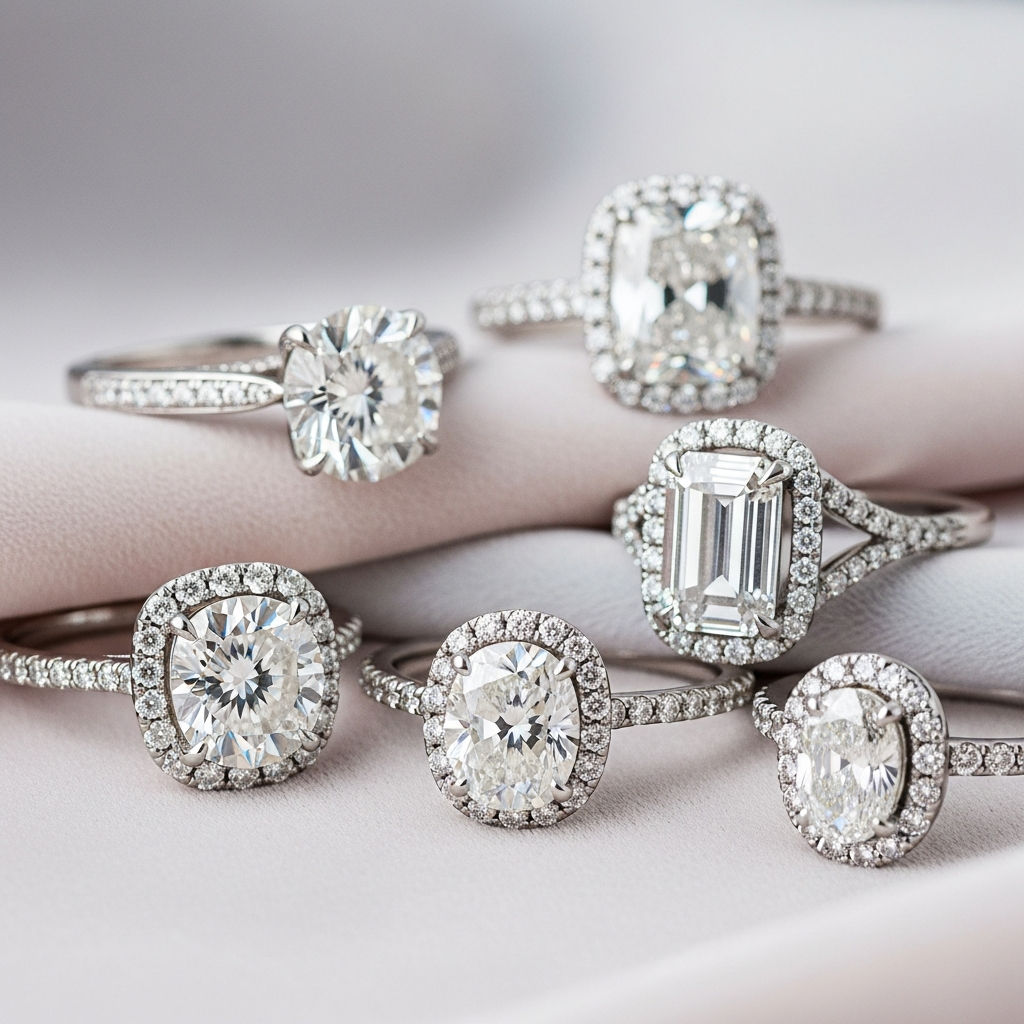
While the “Cut” refers to quality, the “Shape” refers to the geometry of the stone. Each shape offers a different aesthetic and light performance.
- Round Brilliant: The most popular shape, designed for maximum sparkle.
- Princess Cut: A modern, square shape with sharp corners.
- Emerald Cut: A rectangular shape with “step cuts” that highlight clarity over sparkle.
- Oval Cut: A trendy choice that elongates the finger and offers a larger surface area.
- Pear Shape: A teardrop style that combines the round and marquise shapes.
Industrial Uses of Diamonds
While we primarily think of diamonds as jewelry, approximately 80% of mined diamonds are used for industrial purposes. Because of their extreme hardness and thermal conductivity, they are indispensable in various sectors:
- Cutting and Drilling: Diamond-tipped drill bits are used in oil exploration and mining.
- Medicine: Diamond scalpels allow for incredibly precise surgical incisions.
- Electronics: Diamonds are used as heat sinks to pull heat away from sensitive computer chips.
- Abrasives: Diamond dust is used to polish other gemstones and high-strength metals.
Ethical Sourcing and the Kimberley Process
The history of diamond mining has faced challenges regarding “blood diamonds”—stones mined in war zones to finance conflict. To combat this, the Kimberley Process Certification Scheme (KPCS) was established in 2003. Today, over 99% of diamonds in the global market are conflict-free. When buying a diamond, always look for reputable jewelers who provide ethical sourcing guarantees and GIA or IGI certifications.
How to Buy a Diamond: Pro Tips for Success
Purchasing a diamond is a significant investment. Here are a few tips to ensure you get the best value for your money:
1. Prioritize Cut: A diamond with a lower color or clarity grade can still look stunning if the cut is “Excellent.” A poor cut will make even the most expensive stone look dull.
2. Buy Shy: Diamond prices jump at whole-carat marks (1.0ct, 1.5ct). Buying a 0.90ct or 1.40ct stone can save you a significant amount of money while looking virtually identical in size.
3. Check the Certification: Never buy a diamond without a grading report from a reputable lab like the GIA (Gemological Institute of America) or IGI (International Gemological Institute). This ensures the diamond’s attributes are accurately represented.
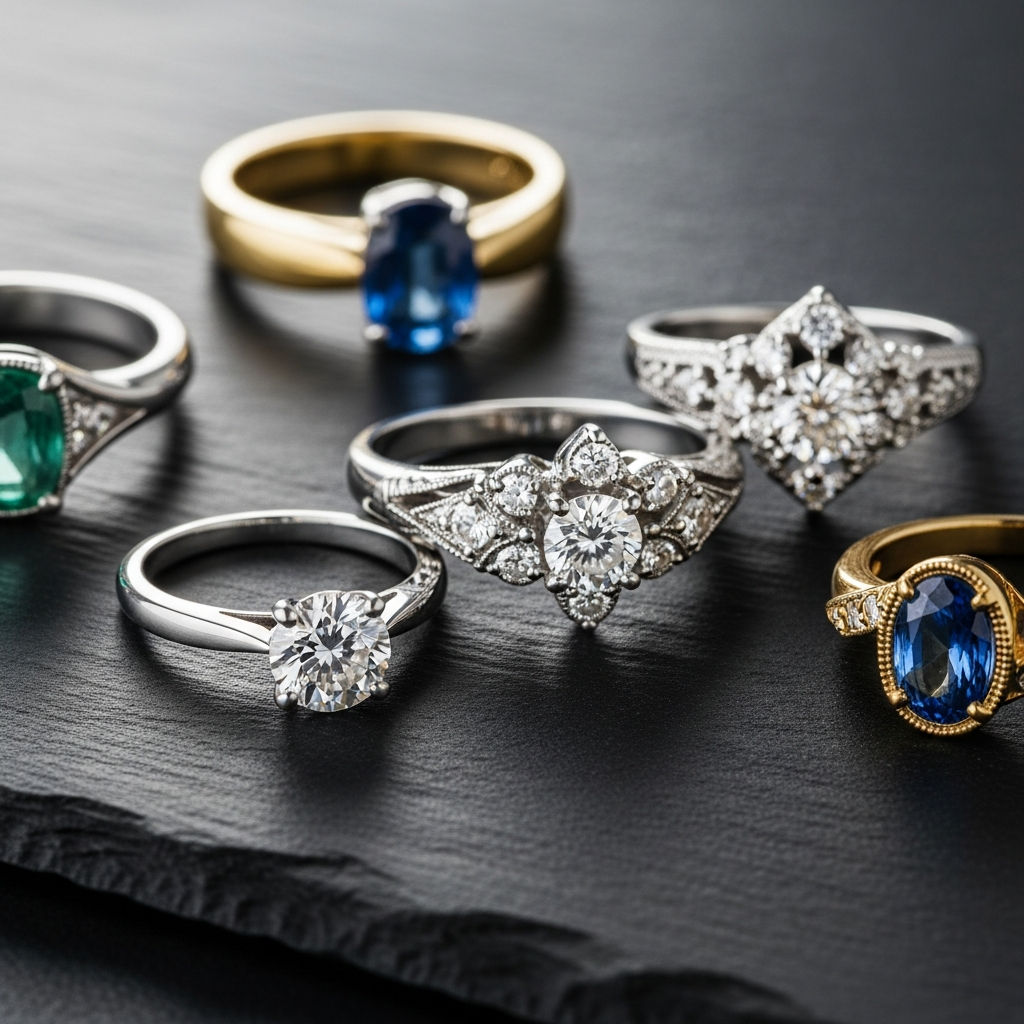
4. Consider the Setting: The metal color of your ring can hide slight yellow tints. For example, a “K” color diamond looks perfectly white in a yellow gold setting, allowing you to save money on the color grade.
The Future of Diamonds
The diamond industry continues to evolve. With the rise of blockchain technology, consumers can now track a diamond’s journey from the mine to the finger with absolute certainty. Furthermore, the growing acceptance of lab-grown diamonds is making luxury more accessible to a younger, more price-conscious generation. Despite these changes, the allure of the diamond remains unshaken. Whether born from the Earth or a lab, the diamond’s brilliance continues to symbolize the unbreakable bonds of human connection.
Conclusion
Diamonds are more than just pressurized carbon; they are a blend of remarkable science, ancient history, and artistic craftsmanship. By understanding the 4Cs, the difference between natural and lab-grown stones, and the importance of ethical sourcing, you can choose a diamond that not only sparkles today but remains a cherished heirloom for generations to come.