
The Ultimate Guide to Diamonds: Nature’s Most Brilliant Treasure
Diamonds have long been the world’s most coveted gemstone, symbolizing eternal love, immense wealth, and unbreakable strength. Formed deep within the Earth’s mantle under extreme heat and pressure, these carbon-based crystals are more than just sparkling ornaments; they are geological wonders and industrial powerhouses. In this comprehensive guide, we will explore the fascinating world of diamonds, from their ancient origins to the modern-day “4Cs” and the rise of lab-grown alternatives.
The Science of Brilliance: How Diamonds Are Formed
The journey of a natural diamond begins approximately 90 to 150 miles beneath the Earth’s surface. Unlike other gemstones that form in the Earth’s crust, diamonds require the intense environment of the upper mantle. Here, carbon atoms are subjected to temperatures of at least 2,000 degrees Fahrenheit and pressures of 725,000 pounds per square inch.
Under these conditions, carbon atoms bond in a unique, tetrahedral crystal structure. This specific molecular arrangement is what gives a diamond its legendary hardness—ranking a perfect 10 on the Mohs scale. Diamonds are eventually brought to the surface through rare volcanic eruptions known as kimberlite pipes. These eruptions act as high-speed elevators, transporting the diamonds through the crust before the intense heat can turn them into graphite.
Understanding the 4Cs: The Universal Standard for Quality
When it comes to evaluating and pricing a diamond, the industry adheres to a global standard established by the Gemological Institute of America (GIA), known as the 4Cs: Cut, Color, Clarity, and Carat Weight.
1. Cut: The Key to Sparkle
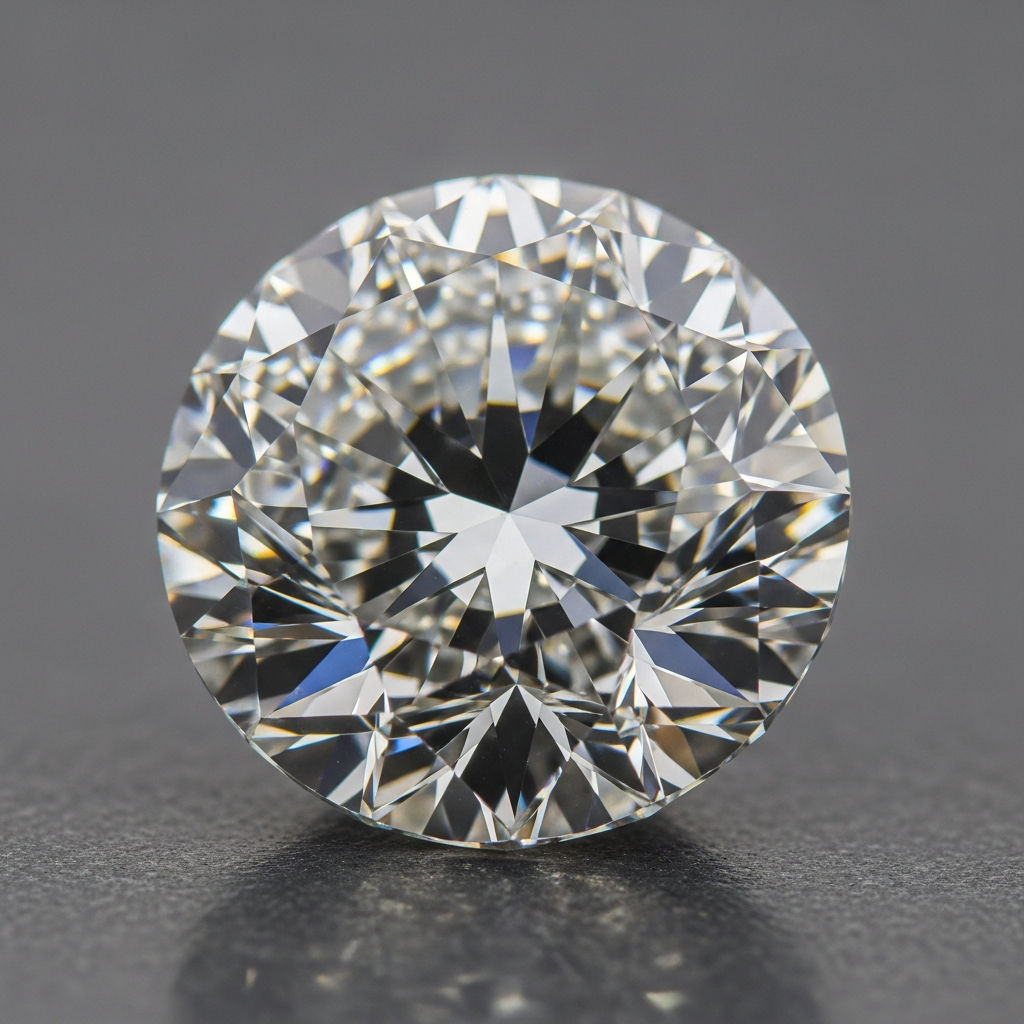
The cut is arguably the most important of the 4Cs. It doesn’t refer to the shape of the diamond (like round or pear), but rather how well the diamond’s facets interact with light. A well-cut diamond reflects light internally from one facet to another and then disperses it through the top, creating that signature “fire” and “brilliance.” If a diamond is cut too shallow or too deep, light leaks out the bottom or sides, leaving the stone looking dull.
2. Color: The Absence of Hue
In white diamonds, the “best” color is actually a lack of color. The GIA grades diamond color on a scale from D (completely colorless) to Z (light yellow or brown). Colorless diamonds are the rarest and most expensive. However, there is a separate category for “Fancy Color Diamonds,” which includes rare pinks, blues, and greens that are valued for their intensity of color rather than their lack of it.
3. Clarity: Evaluating Flaws
Natural diamonds are the result of carbon exposed to tremendous heat and pressure; it is only natural that they would have internal “inclusions” or surface “blemishes.” Clarity refers to the absence of these imperfections. The scale ranges from “Flawless” (no inclusions visible under 10x magnification) to “Included” (imperfections visible to the naked eye).
4. Carat Weight: Measuring Size
A carat is a unit of weight equal to 200 milligrams. While larger diamonds are rarer and more valuable, two diamonds of equal carat weight can have vastly different prices depending on their Cut, Color, and Clarity. It is a common misconception that carat refers to size, though they are closely correlated.
Natural vs. Lab-Grown Diamonds: What’s the Difference?
In recent years, lab-grown diamonds have disrupted the jewelry market. It is essential to understand that lab-grown diamonds are chemically, physically, and optically identical to natural diamonds. They are not “fakes” like cubic zirconia or moissanite; they are real diamonds created in a controlled environment.

- Natural Diamonds: These take billions of years to form and are finite resources. They often hold a higher resale value and are perceived as having more “emotional value” due to their rarity and ancient origins.
- Lab-Grown Diamonds: These are created using two primary methods: High Pressure High Temperature (HPHT) and Chemical Vapor Deposition (CVD). They are generally 30% to 50% less expensive than natural diamonds and are often marketed as a more sustainable and ethical choice.
Beyond Jewelry: The Industrial Power of Diamonds
While we most often associate diamonds with engagement rings and high fashion, about 80% of mined diamonds are used for industrial purposes. Because of their extreme hardness and high thermal conductivity, they are indispensable in several sectors:
- Cutting and Drilling: Diamond-tipped drill bits and saws are used to cut through stone, concrete, and even other gemstones.
- Electronics: Diamonds are excellent at dissipating heat. They are used in high-performance electronics to prevent overheating in processors and power devices.
- Medical Tools: Diamond scalpels allow for incredibly precise incisions in ophthalmic and neurological surgeries.
- Abrasives: Diamond dust is used to polish everything from glass to high-end watches.
The Ethical Evolution: Conflict-Free Diamonds
The diamond industry has faced significant scrutiny regarding “blood diamonds” or conflict diamonds—stones mined in war zones to finance insurgency. In response, the international community established the Kimberley Process in 2003. This certification system prevents conflict diamonds from entering the mainstream market by requiring strict documentation of a diamond’s journey from mine to finger.
Today, consumers are more conscious than ever. Many jewelers now provide “traceability” reports, ensuring that the diamonds are sourced from mines that adhere to strict labor and environmental standards. Countries like Canada and Botswana are now leading producers of ethically sourced natural diamonds.
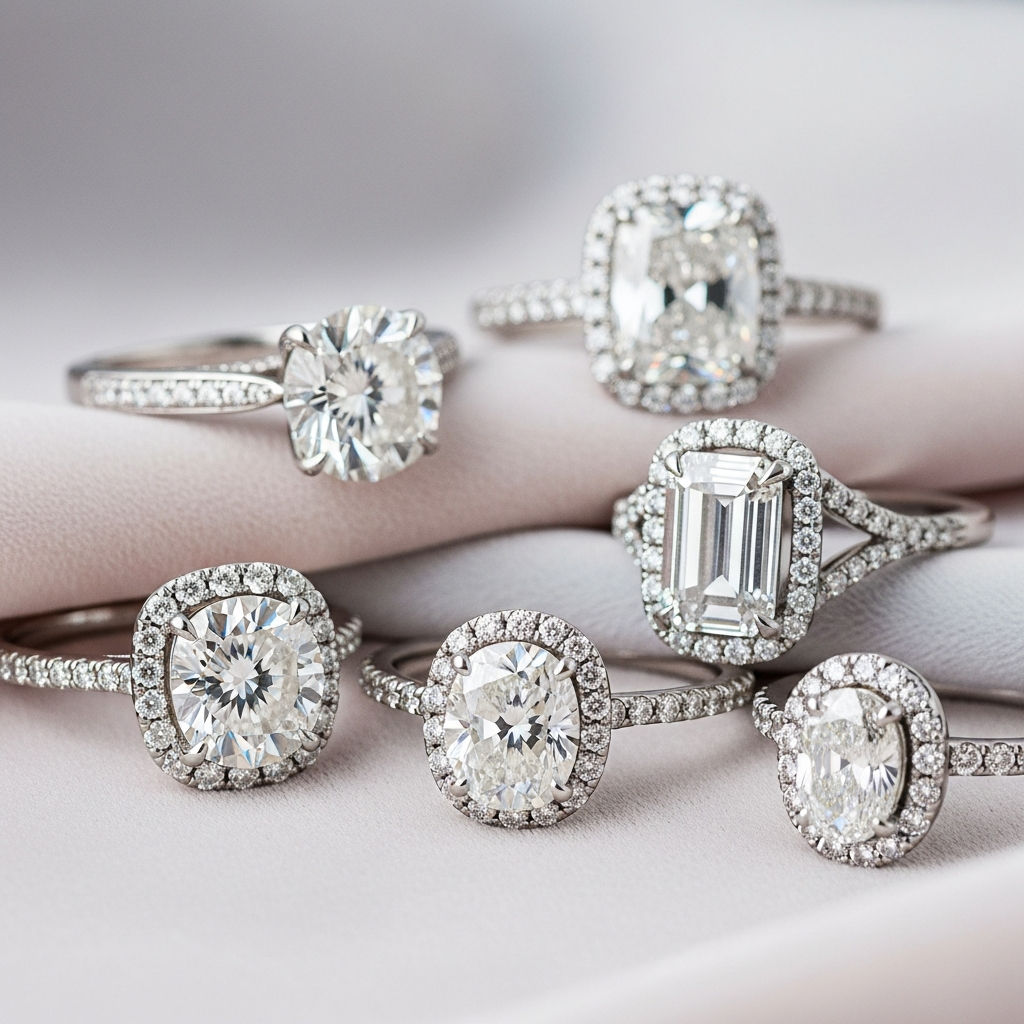
Popular Diamond Shapes and Styles
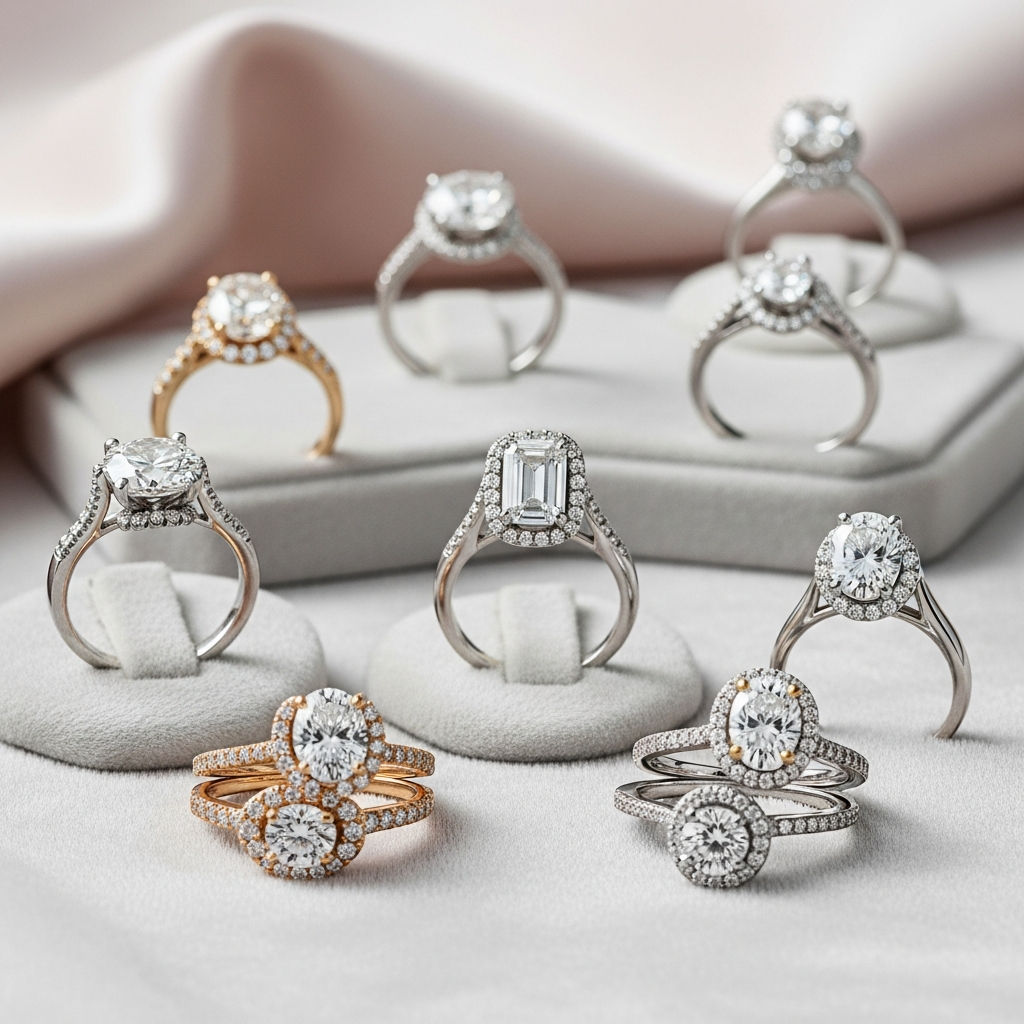
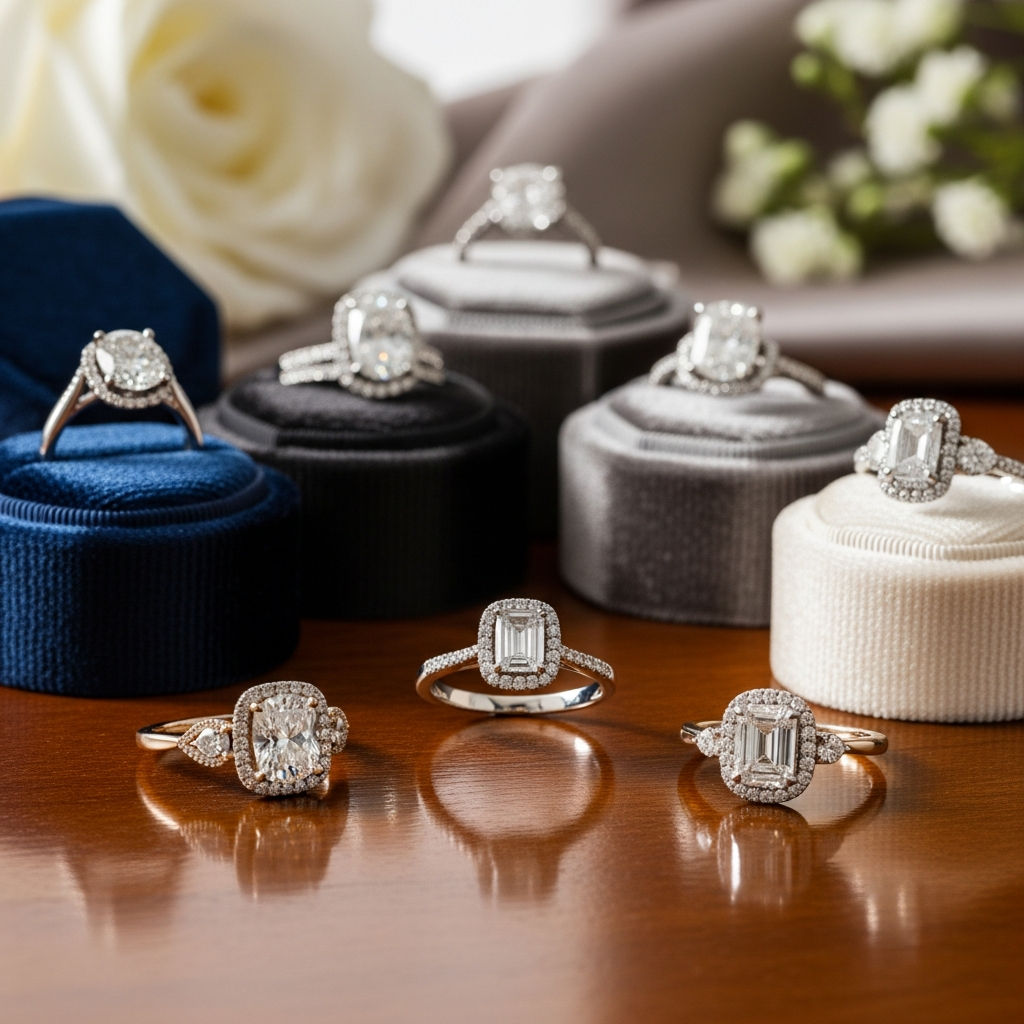
Choosing a diamond also involves selecting a “shape,” which reflects the wearer’s personal style. Each shape offers a different aesthetic and light performance:
- Round Brilliant: The most popular shape, designed for maximum light reflection.
- Princess Cut: A modern, square shape with sharp corners.
- Emerald Cut: A rectangular shape with “step cuts” that highlight the clarity of the stone.
- Oval: A trendy choice that elongates the finger and offers a large surface area.
- Pear: Also known as a teardrop, combining the brilliance of a round cut with a unique point.
Investment Value: Are Diamonds a Good Asset?
Diamonds are often viewed as a “portable wealth” asset. Unlike currency, they do not suffer from inflation in the same way, and they are easy to transport across borders. However, as an investment, diamonds require expertise. High-quality, rare stones (like large D-Flawless diamonds or rare colored diamonds) tend to appreciate over time, whereas common “commercial-grade” diamonds may not offer a high return on resale.
If you are buying for investment, certification from a reputable lab like the GIA or IGI is non-negotiable. This ensures the diamond’s characteristics are verified by an unbiased third party.
Conclusion: The Eternal Allure
Whether it is a natural stone formed billions of years ago or a precision-engineered lab diamond, the allure of this gemstone remains unmatched. Its combination of scientific rarity, industrial utility, and symbolic weight makes the diamond a unique phenomenon in the natural world. By understanding the 4Cs and the ethical landscape of the industry, you can make an informed decision and appreciate these “shards of stars” for generations to come.
As the saying goes, “A diamond is forever.” With the right knowledge, you can ensure that the diamond you choose—whether for an engagement, an investment, or a gift—is as enduring and brilliant as the bond it represents.