The Ultimate Guide to Diamonds: Nature’s Most Captivating Gemstone
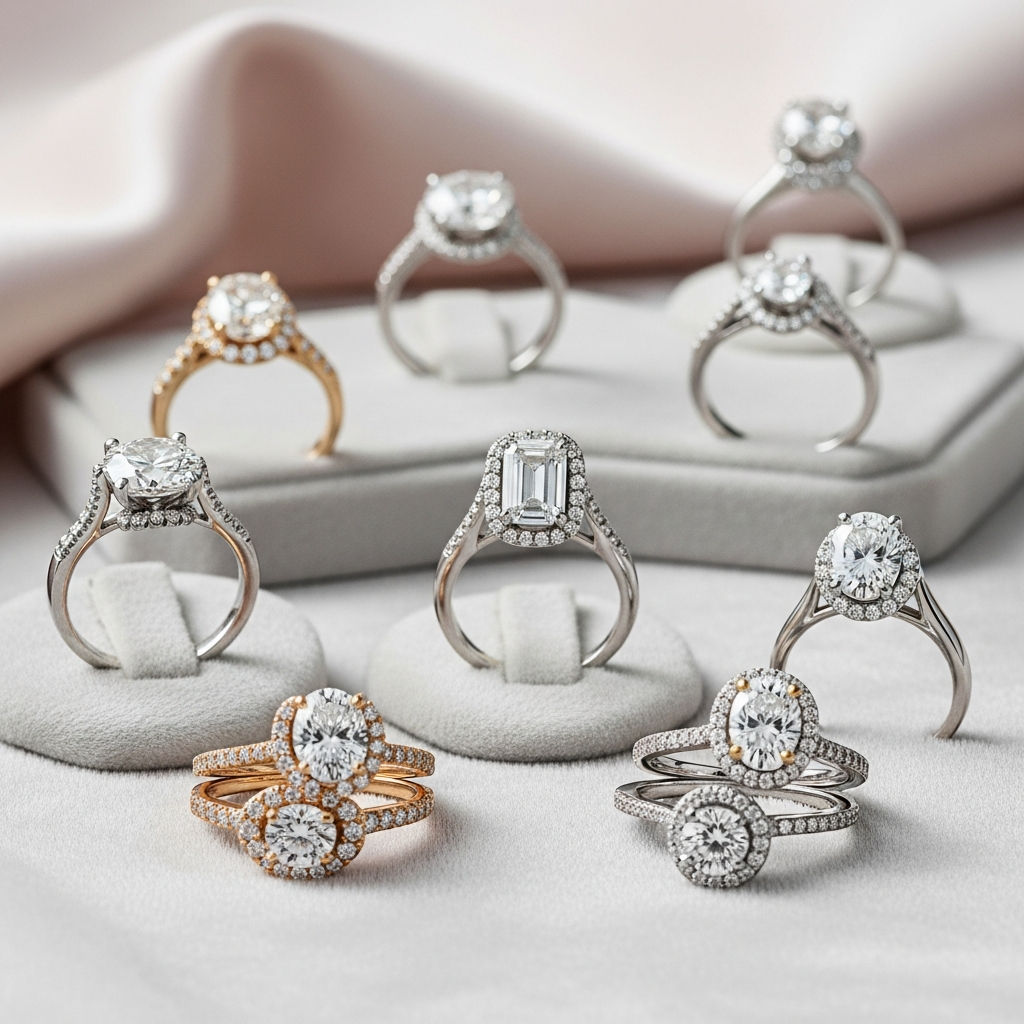
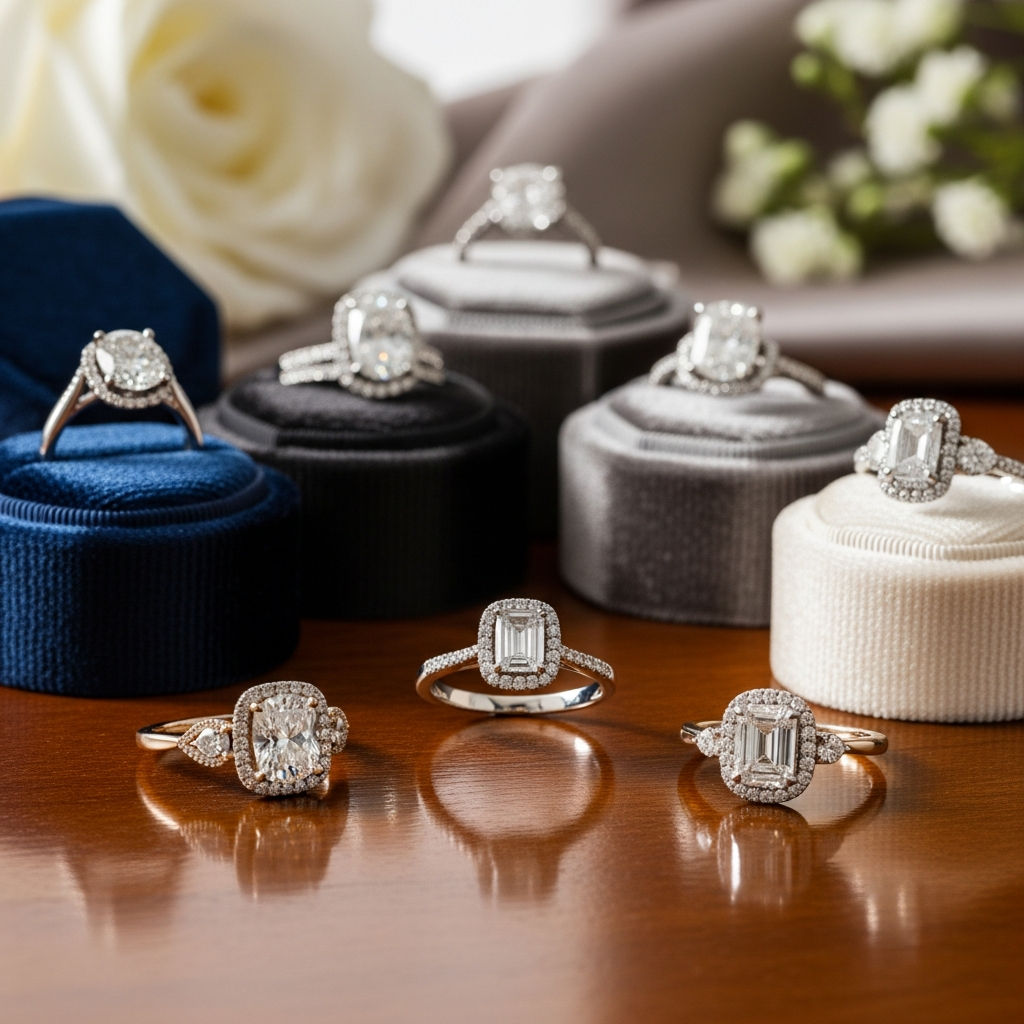
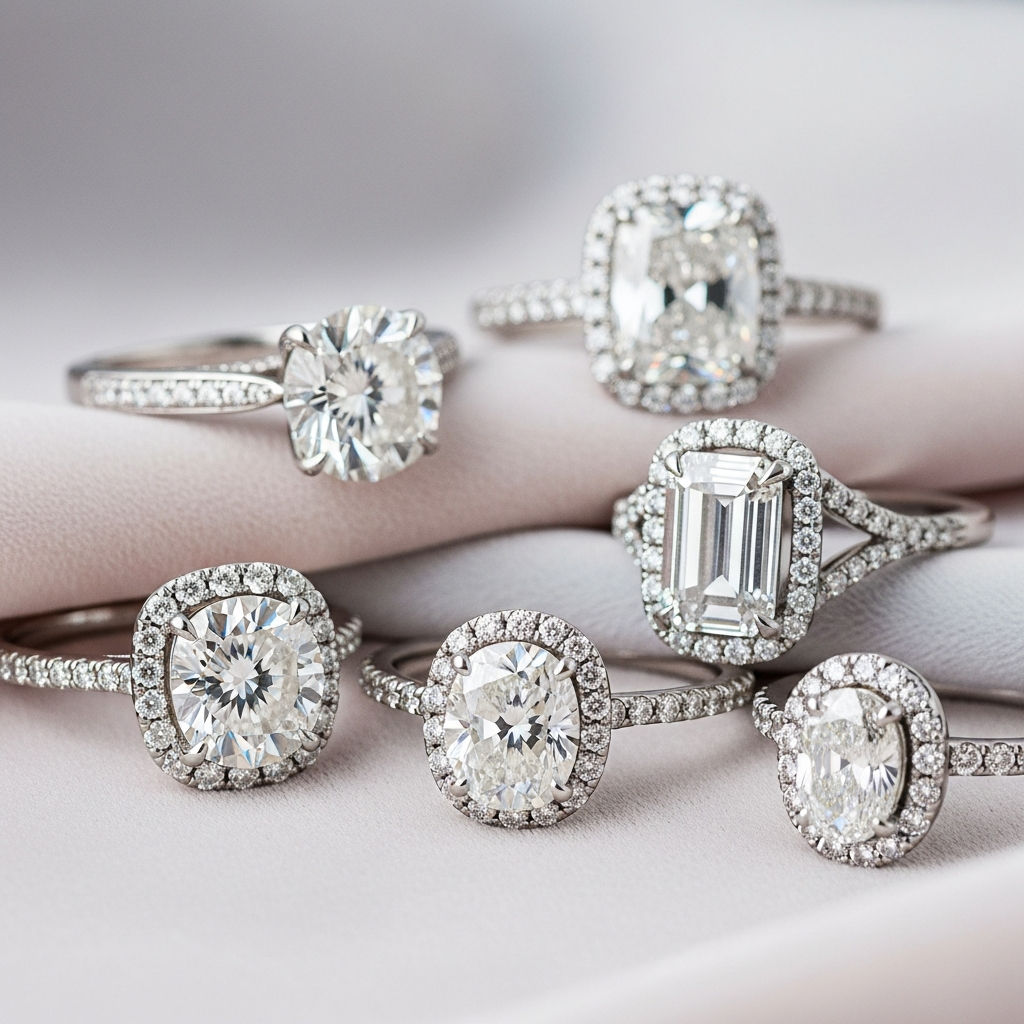
For centuries, the diamond has stood as the ultimate symbol of love, resilience, and luxury. Known as the hardest natural substance on Earth, this gemstone is more than just a sparkling accessory; it is a marvel of geology and a masterpiece of human craftsmanship. Whether you are looking for a diamond engagement ring or seeking to understand the investment value of these stones, this comprehensive guide covers everything you need to know about diamonds.
How Diamonds are Formed: A Journey from the Earth’s Core
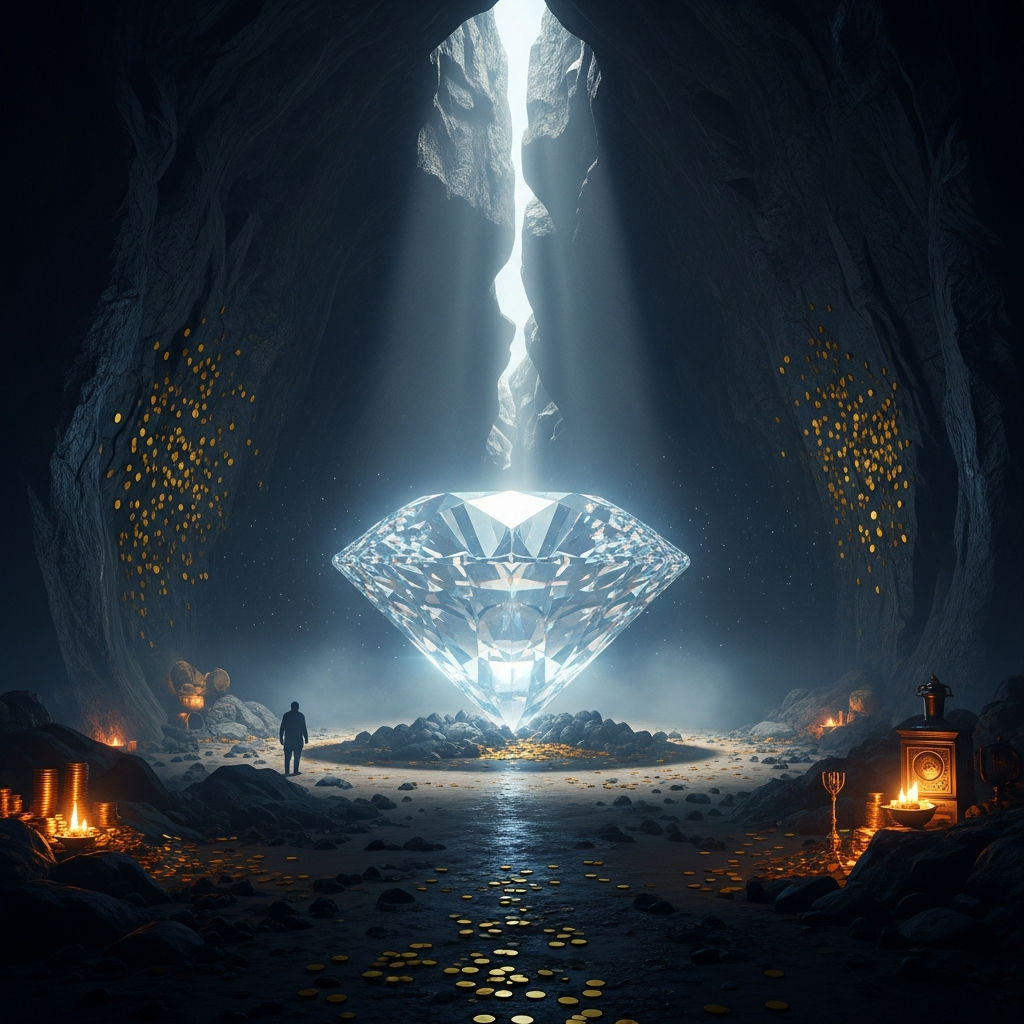
Diamonds are born under extraordinary circumstances. Formed approximately 100 miles below the Earth’s surface, these gemstones are the result of pure carbon subjected to intense heat (at least 2,000 degrees Fahrenheit) and extreme pressure (725,000 pounds per square inch). Over billions of years, these conditions crystallize carbon into the structure we recognize as a diamond.
These precious stones are brought to the surface through deep-seated volcanic eruptions. The magma from these eruptions travels through “kimberlite pipes,” carrying diamonds toward the crust where they can eventually be mined. This arduous journey and the rarity of the conditions required for their formation are why natural diamonds remain one of the most expensive commodities in the world.
Natural Diamonds vs. Lab-Grown Diamonds
In recent years, the jewelry market has seen a surge in lab-grown diamonds. It is important to note that lab-grown diamonds are chemically, physically, and optically identical to natural diamonds. The primary difference lies in their origin and the time it takes to create them.
- Natural Diamonds: Created by nature over billions of years. They carry a high resale value due to their rarity.
- Lab-Grown Diamonds: Created in controlled environments using High Pressure High Temperature (HPHT) or Chemical Vapor Deposition (CVD) methods. They are often 30-50% more affordable and are considered a more sustainable choice by many modern consumers.
Understanding the 4Cs of Diamond Quality
When purchasing a diamond, the industry standard for evaluating its quality and value is known as the “4Cs.” Established by the Gemological Institute of America (GIA), this framework ensures that consumers know exactly what they are buying.
1. Cut: The Key to Brilliance
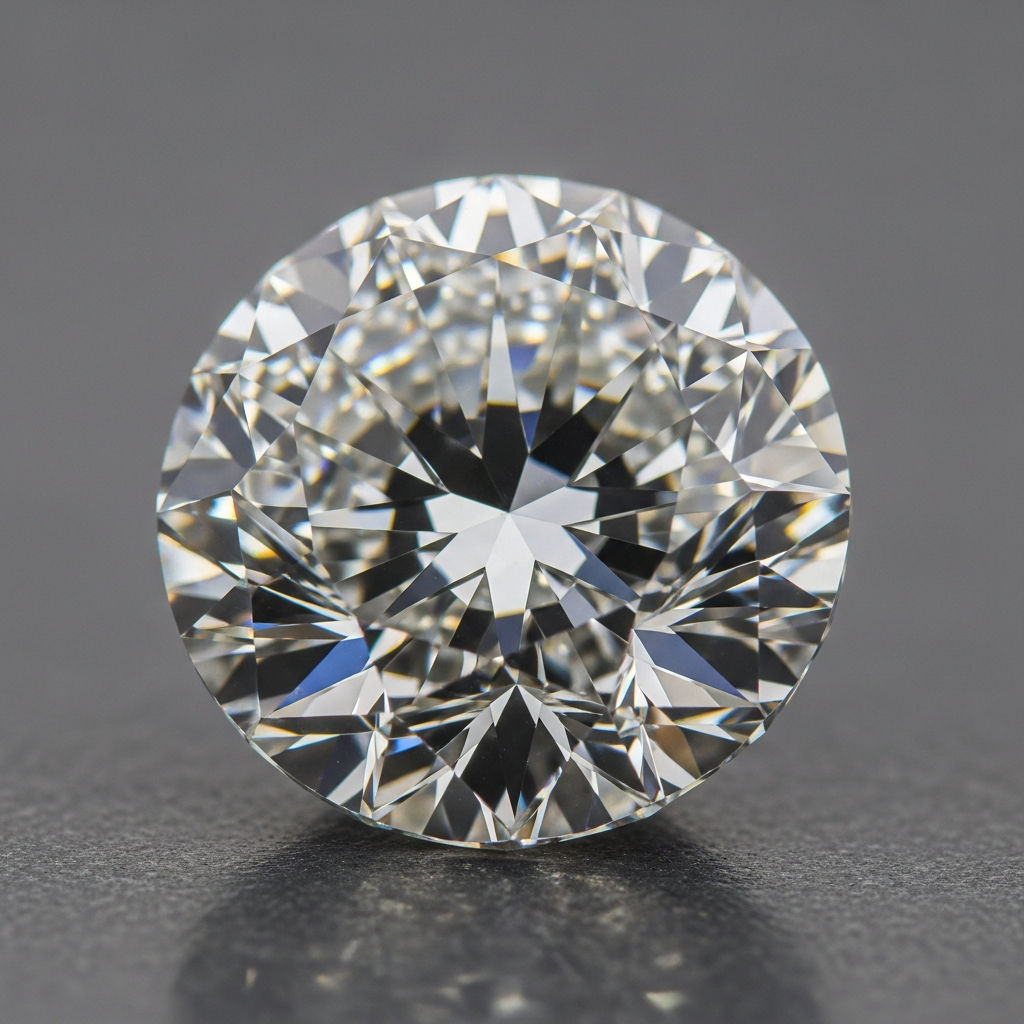
The cut of a diamond is perhaps its most important characteristic. While many people confuse “cut” with “shape” (like round, oval, or pear), the cut actually refers to how well a diamond’s facets interact with light. A well-cut diamond reflects light internally from one facet to another and disperses it through the top, creating that signature sparkle known as “fire.”
2. Color: The Subtle Spectrum
Diamonds are graded on a scale from D (colorless) to Z (light yellow or brown). The less color a diamond has, the higher its value. Colorless diamonds (D-F) are the rarest and most expensive. However, there is also a category known as “Fancy Color Diamonds,” which includes naturally occurring blues, pinks, yellows, and greens. These are graded on a different scale and can be even more valuable than colorless stones.
3. Clarity: Nature’s Fingerprints
Because diamonds are formed under extreme pressure, they often have internal “inclusions” or external “blemishes.” Clarity refers to the absence of these characteristics. The scale ranges from Flawless (FL) to Included (I). Most diamonds have microscopic inclusions that are invisible to the naked eye, often referred to as “eye-clean” diamonds.
4. Carat: More Than Just Size
Carat refers to the weight of the diamond, not its physical size. One carat is equal to 200 milligrams. While a higher carat weight usually means a larger diamond, the cut also plays a role in how large the stone appears. Two diamonds of equal carat weight can have very different values depending on their cut, color, and clarity.
The Physical Properties: Why Diamonds are Unique
The name “diamond” is derived from the Greek word adamas, meaning “unbreakable.” This is a fitting name, as diamonds rank a 10 on the Mohs scale of mineral hardness. This durability makes them ideal for daily wear in jewelry, particularly in engagement rings that are meant to last a lifetime.
Beyond hardness, diamonds possess a high refractive index (2.417) and high dispersion (0.044). This means they are incredibly efficient at slowing down and bending light, which results in the “brilliance” and “scintillation” we see when the stone moves. Furthermore, diamonds are excellent thermal conductors, which is why they feel cold to the touch and are often used in high-tech industrial applications.
The Cultural and Symbolic Significance
Diamonds have been cherished for thousands of years. In ancient India, they were used as religious icons and as tools for engraving. By the Renaissance, they began to appear in the crowns of European royalty. However, the modern obsession with diamonds began in the late 19th century with the discovery of massive mines in South Africa.
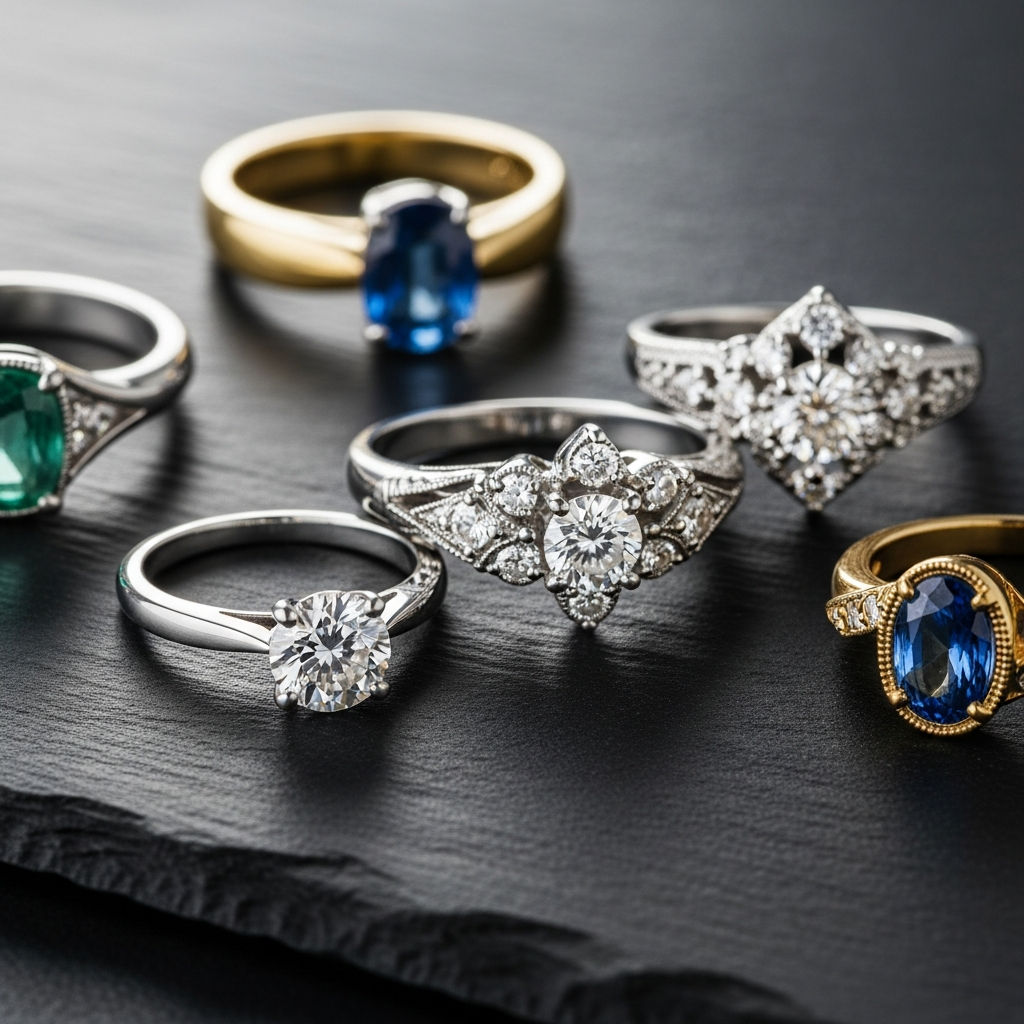
The tradition of the diamond engagement ring was solidified in 1947 by the De Beers campaign, “A Diamond is Forever.” This marketing genius linked the physical durability of the stone with the emotional concept of eternal love. Today, the diamond remains the primary choice for marriage proposals, representing a commitment that is as enduring as the stone itself.
Industrial Applications: Beyond the Jewelry Box
While 80% of diamonds mined are not gem-quality, they are far from useless. Industrial diamonds are essential in various sectors due to their hardness and thermal properties. Common uses include:
- Cutting and Drilling: Diamond-tipped drill bits and saws are used to cut through stone, concrete, and metal.
- Electronics: Because they dissipate heat effectively, diamonds are used as heat sinks in high-performance computers and laser diodes.
- Medicine: Diamond scalpels are used in delicate surgeries, such as eye surgery, because they provide a much cleaner and sharper cut than steel.
Ethical Considerations and Sustainability
In the past, the diamond industry faced criticism regarding “conflict diamonds”—stones sold to fund rebel movements and civil wars. This led to the creation of the Kimberly Process in 2003, an international certification scheme that prevents conflict diamonds from entering the mainstream market. Today, over 99% of diamonds are conflict-free.
Additionally, modern consumers are increasingly interested in the environmental impact of mining. This has led to better land restoration practices in mining regions and the rise of lab-grown alternatives, which require significantly less earth-moving and have a smaller carbon footprint.
How to Care for Your Diamond Jewelry
Though diamonds are incredibly hard, they can still be chipped by a sharp blow or scratched by another diamond. To keep your gemstone looking its best, follow these maintenance tips:
- Regular Cleaning: Soak your diamond in a mixture of warm water and mild dish soap. Use a soft toothbrush to gently scrub away oils and dirt.
- Safe Storage: Store diamond jewelry in separate pouches or compartments to prevent them from scratching other gemstones or metals.
- Professional Inspection: Have your jewelry checked by a professional jeweler once a year to ensure the prongs are secure and the stone isn’t loose.
Conclusion: The Timeless Appeal of the Diamond
The diamond remains the king of gemstones for a reason. Its unique combination of geological history, physical prowess, and unmatched beauty makes it a treasure like no other. Whether you are attracted to the romantic symbolism of a natural stone or the technological marvel of a lab-grown diamond, choosing a diamond is an investment in a piece of Earth’s history that will truly last forever.
As you shop for your perfect stone, remember that the “best” diamond is not necessarily the most expensive one, but the one that balances the 4Cs to fit your personal style and budget. With the right knowledge, you can find a diamond that sparkles with beauty and meaning for generations to come.