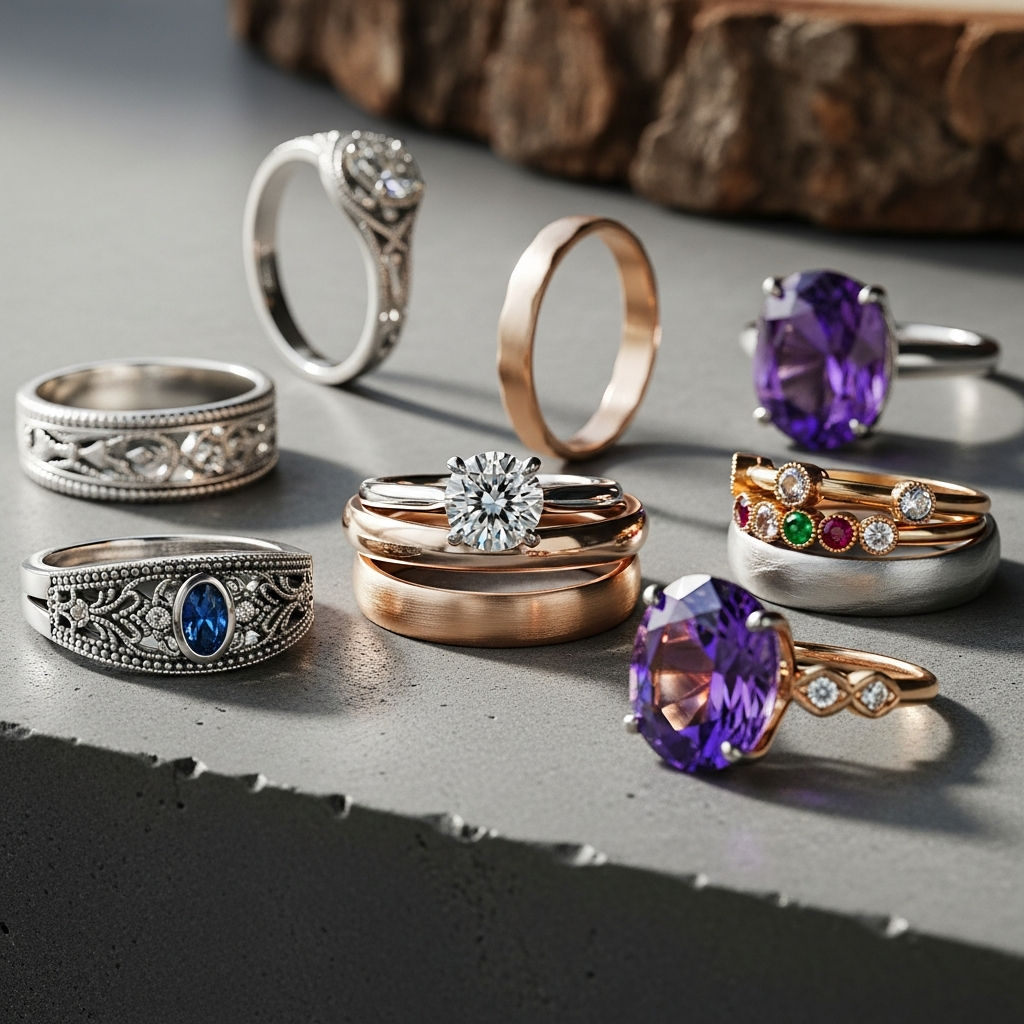

The Ultimate Guide to Engagement Rings: Choosing the Perfect Symbol of Love
Choosing an engagement ring is one of the most significant and emotional purchases a person will ever make. It is not merely a piece of fine jewelry; it is a timeless symbol of commitment, a reflection of personal style, and a promise of a future shared together. However, with the vast array of diamonds, gemstones, metals, and settings available today, the process can feel overwhelming.
In this comprehensive guide, we will explore everything you need to know about engagement rings—from the technical aspects of diamond quality to the latest design trends—to help you find a ring that will be cherished for a lifetime.
Understanding the Foundation: The 4Cs of Diamonds
For decades, diamonds have been the traditional choice for engagement rings. To ensure you are getting the best value and quality, it is essential to understand the “4Cs,” a global standard established by the GIA (Gemological Institute of America) for protecting diamond quality.
1. Cut
The cut is arguably the most important of the 4Cs. It refers to how well a diamond’s facets interact with light. A well-cut diamond will have superior brilliance, sparkle, and fire. Even if a diamond has perfect color and clarity, a poor cut can make it look dull and lifeless.
2. Color
Diamond color is graded on a scale from D (colorless) to Z (light yellow or brown). Most high-quality engagement rings feature diamonds in the D-to-J range. Colorless diamonds (D-F) are the rarest and most expensive, while “near-colorless” diamonds (G-J) offer excellent value as they appear white to the naked eye when set in metal.
3. Clarity
Clarity measures the internal and external imperfections of a diamond, known as inclusions and blemishes. The scale ranges from Flawless (FL) to Included (I). Most buyers opt for “eye-clean” diamonds—typically in the VS1 to SI1 range—where imperfections are not visible without magnification.
4. Carat Weight
Carat refers to the diamond’s weight, not necessarily its physical size. While larger carats are often more expensive, the “spread” of the diamond and the quality of the cut can make a smaller carat diamond appear larger than one with a higher weight but a deeper cut.
Choosing the Right Metal for Your Band
The metal you choose for your engagement ring provides the backdrop for your center stone and influences the overall aesthetic of the piece. Each metal has its own set of advantages:
- Platinum: Known for its strength and durability, platinum is naturally white and will not fade over time. It is also hypoallergenic, making it ideal for those with sensitive skin.
- White Gold: A popular alternative to platinum, white gold is coated in rhodium to give it a bright, silvery finish. It requires occasional re-dipping to maintain its luster.
- Yellow Gold: A classic choice that has seen a massive resurgence in popularity. It offers a warm, traditional glow that complements both modern and vintage designs.
- Rose Gold: Created by mixing gold with copper, rose gold offers a romantic, pinkish hue that suits all skin tones and provides a unique, vintage feel.
Popular Engagement Ring Settings and Styles
The setting is what defines the “personality” of the ring. Whether your partner prefers minimalist elegance or intricate detail, there is a style to match every preference.
The Solitaire
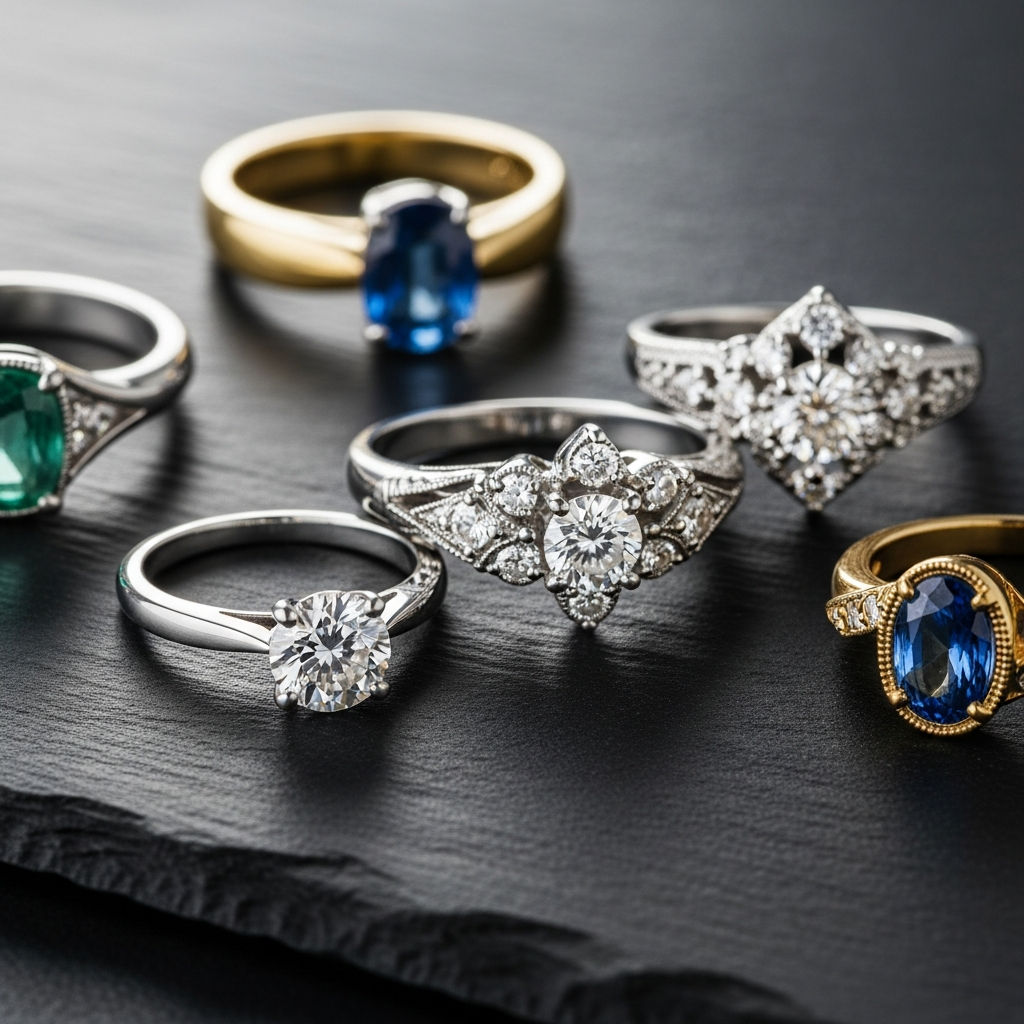
The solitaire remains the most iconic engagement ring style. It features a single diamond held by prongs, allowing the center stone to take center stage. It is timeless, elegant, and pairs beautifully with any wedding band.
The Halo Setting
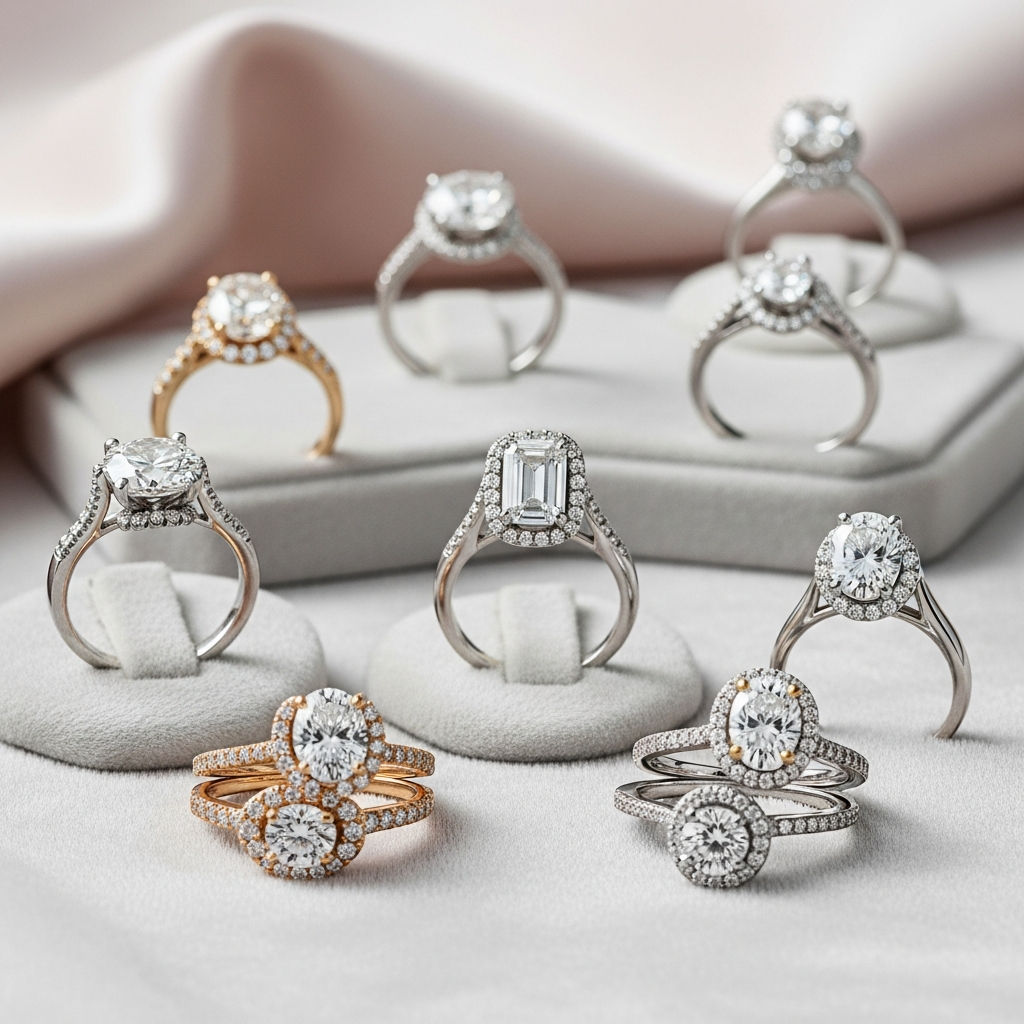
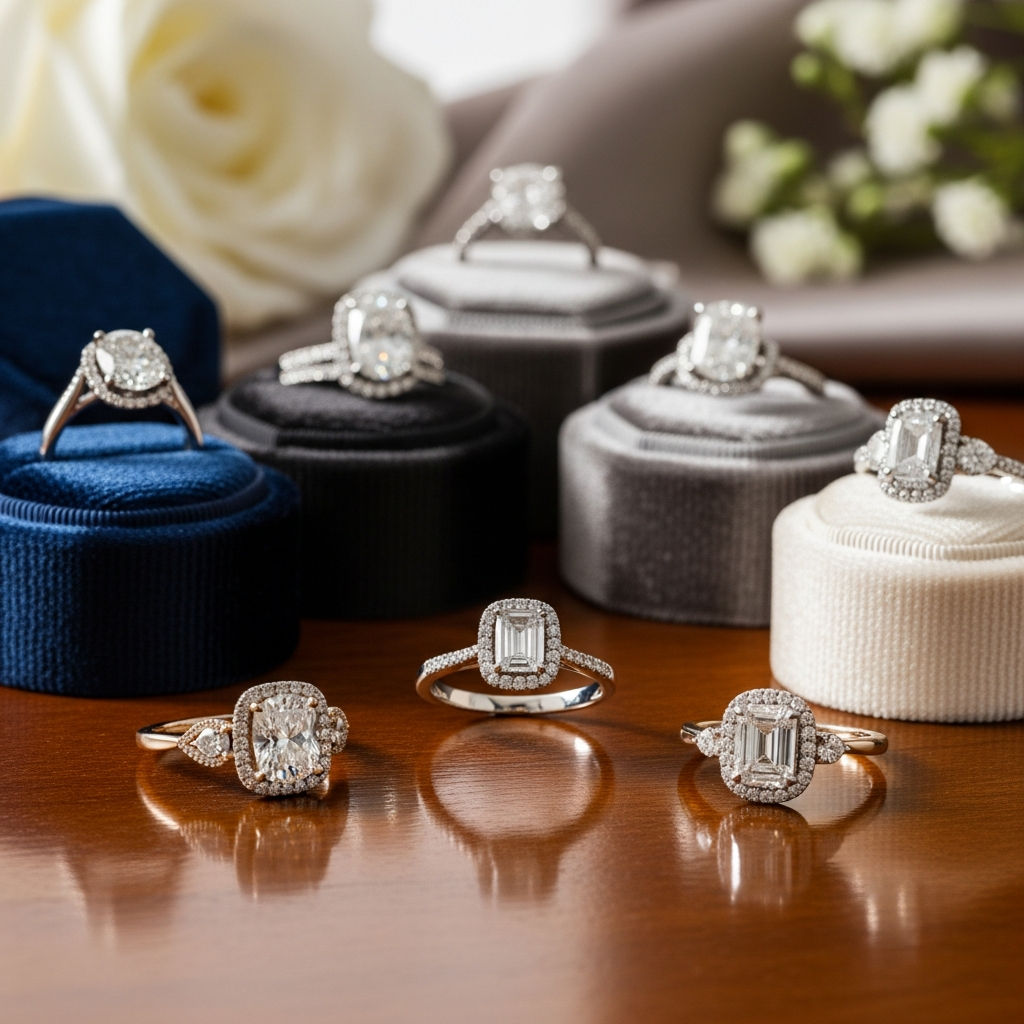
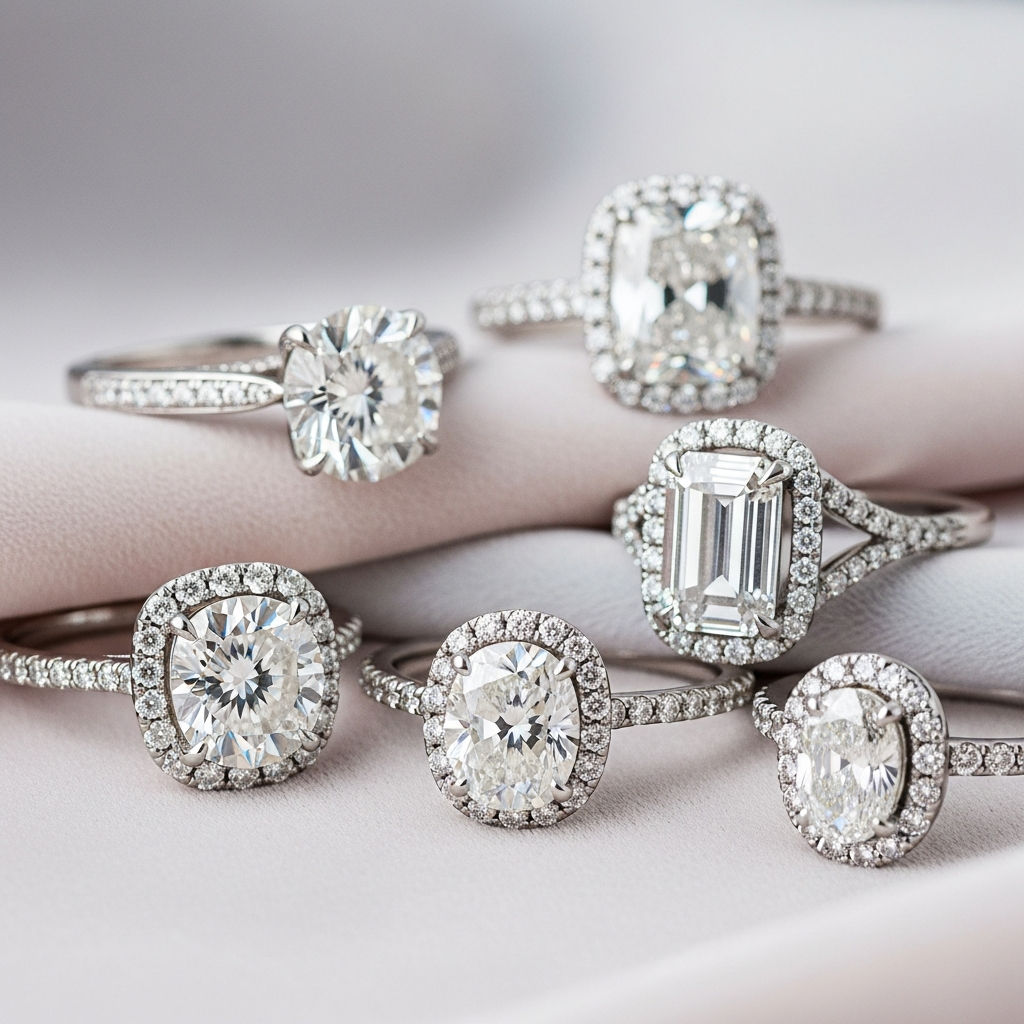
A halo setting features a circle of smaller diamonds surrounding the center stone. This style not only adds incredible sparkle but also makes the center diamond appear significantly larger than its actual carat weight.

Three-Stone Rings
Also known as “Trinity” or “Past, Present, and Future” rings, this style features three stones set in a row. It is a deeply symbolic choice, representing the journey of a couple’s relationship.
Pavé and Channel Settings
For those who love extra shimmer, pavé settings feature small diamonds encrusted along the band. Channel settings, on the other hand, tuck the diamonds into a groove in the metal, offering a sleek and snag-free finish.
The Rise of Alternative Gemstones and Lab-Grown Diamonds
Modern couples are increasingly looking beyond traditional mined diamonds. Sustainability, ethics, and budget are driving a shift toward alternative options.
Lab-Grown Diamonds
Lab-grown diamonds are chemically, physically, and optically identical to mined diamonds. The only difference is their origin. Because they are created in a controlled laboratory environment, they are often 30% to 50% less expensive and are considered a more eco-friendly choice.
Moissanite
Moissanite is a gemstone that rivals the brilliance of a diamond. It is nearly as hard as a diamond (9.25 on the Mohs scale) and offers a “rainbow” sparkle that many find captivating. It is an excellent choice for those seeking a high-quality, budget-friendly alternative.
Colorful Gemstones
From deep blue sapphires and vibrant emeralds to soft peach morganite, colorful engagement rings are a major trend. Sapphires, in particular, are a durable and royal choice, popularized by iconic figures like Princess Diana and Kate Middleton.
Current Engagement Ring Trends
While some styles are evergreen, certain trends are currently dominating the bridal jewelry market:
- Oval Cut Diamonds: Oval cuts are currently the most sought-after shape. They offer a modern twist on the round brilliant and have an elongating effect on the finger.
- Hidden Halos: A “hidden” halo consists of small diamonds tucked just beneath the center stone, visible only from the side profile. It adds a secret touch of luxury.
- Toi et Moi Rings: French for “You and Me,” these rings feature two different gemstones nestled together. They have been popularized by celebrities and offer a unique, asymmetrical look.
- Thinner Bands: Ultra-thin, “whisper” bands are trending as they make the center stone appear larger and create a delicate, feminine aesthetic.
How to Determine the Correct Ring Size
One of the most practical challenges of buying an engagement ring—especially if it’s a surprise—is finding the right size. Here are a few tips:
- Borrow a Ring: If your partner wears a ring on their ring finger (or even a middle finger), you can secretly trace the inner diameter or take it to a jeweler for sizing.
- Ask Friends or Family: Often, a best friend or sibling might already know the size or can find out discreetly.
- Use a Sizing Tool: Many online jewelers offer free plastic ring sizers that you can use to measure at home.
- Standard Sizing: The average women’s ring size is between 6 and 7. If you are unsure, it is usually safer to size up, as it is easier for a jeweler to resize a ring smaller than it is to make it larger.
Conclusion: A Purchase from the Heart
While technical specifications like the 4Cs and metal durability are important, the best engagement ring is the one that resonates with your partner’s personality and your unique love story. Whether you choose a classic diamond solitaire, a vintage-inspired sapphire, or a custom-designed lab-grown masterpiece, the intent behind the ring is what truly matters.
Take your time, do your research, and prioritize what is most important to you—be it the size of the stone, the ethics of the sourcing, or the craftsmanship of the setting. With the right balance of knowledge and intuition, you will find an engagement ring that serves as a beautiful precursor to your “happily ever after.”