The Ultimate Guide to Engagement Rings: Choosing the Perfect Symbol of Love
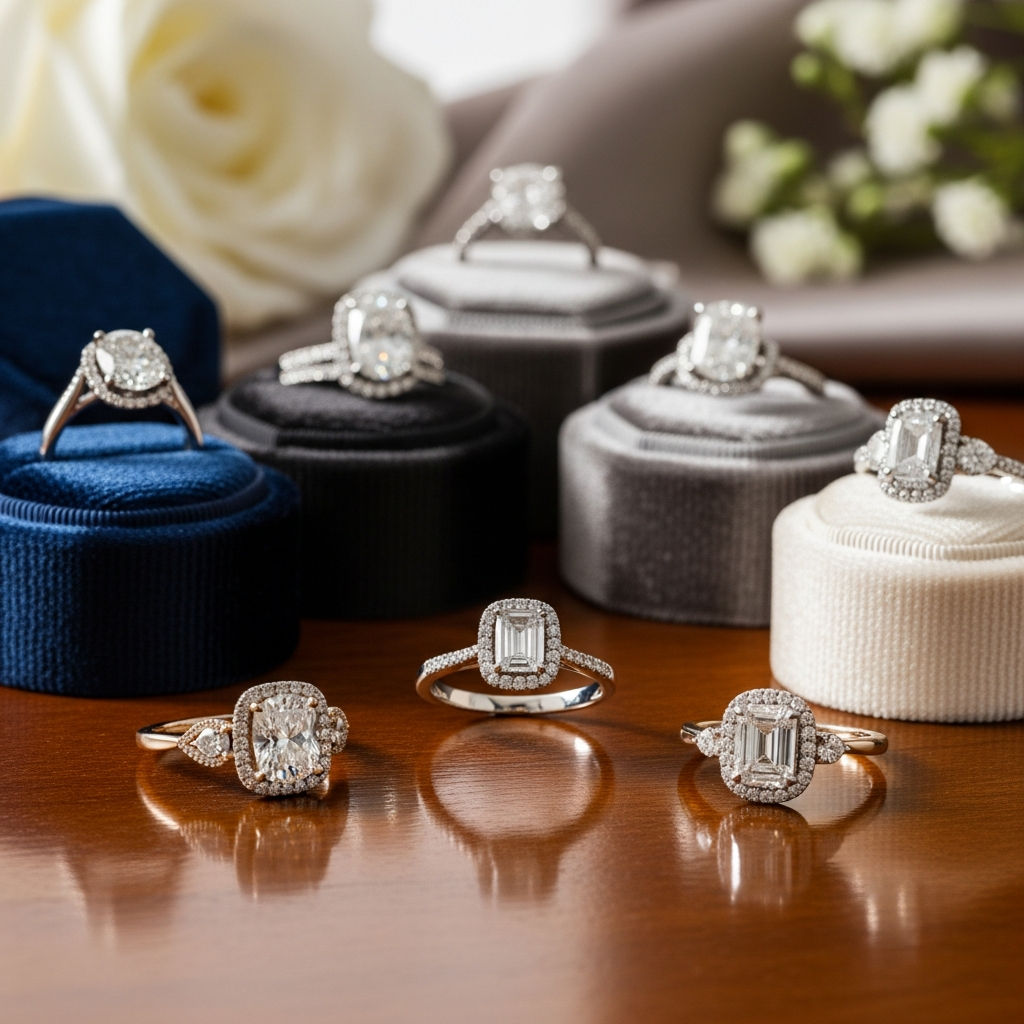
An engagement ring is more than just a piece of fine jewelry; it is a profound symbol of commitment, a celebration of a unique love story, and a promise of a shared future. Choosing the right ring is one of the most significant purchases a person will ever make, blending emotional weight with substantial financial investment. Whether you are looking for a classic diamond solitaire or a modern lab-grown alternative, understanding the nuances of engagement rings is essential to making an informed decision.
In this comprehensive guide, we will explore everything from the foundational “4Cs” of diamonds to the latest trends in settings and metals, ensuring that the ring you choose is as timeless as your relationship.
Understanding the 4Cs: The Foundation of Diamond Quality
When shopping for diamond engagement rings, the “4Cs” are the universal standard for judging quality and value. Established by the Gemological Institute of America (GIA), these four factors determine the beauty and price of a diamond.
- Cut: Often considered the most important “C,” the cut refers to how well a diamond’s facets interact with light. A well-cut diamond will have superior brilliance, fire, and scintillation. Even a diamond with perfect color and clarity can appear dull if the cut is poor.
- Color: Diamonds are graded on a scale from D (colorless) to Z (light yellow or brown). For a classic engagement ring look, most buyers aim for the “Colorless” (D-F) or “Near Colorless” (G-J) range.
- Clarity: This measures the presence of internal inclusions or external blemishes. While “Flawless” diamonds are incredibly rare, many “Eye Clean” diamonds (where inclusions aren’t visible to the naked eye) offer excellent value.
- Carat: This refers to the diamond’s weight, not necessarily its physical size. While larger carat weights are often desired, the cut and shape can significantly influence how large a diamond actually appears on the finger.
Popular Diamond Shapes and Cuts
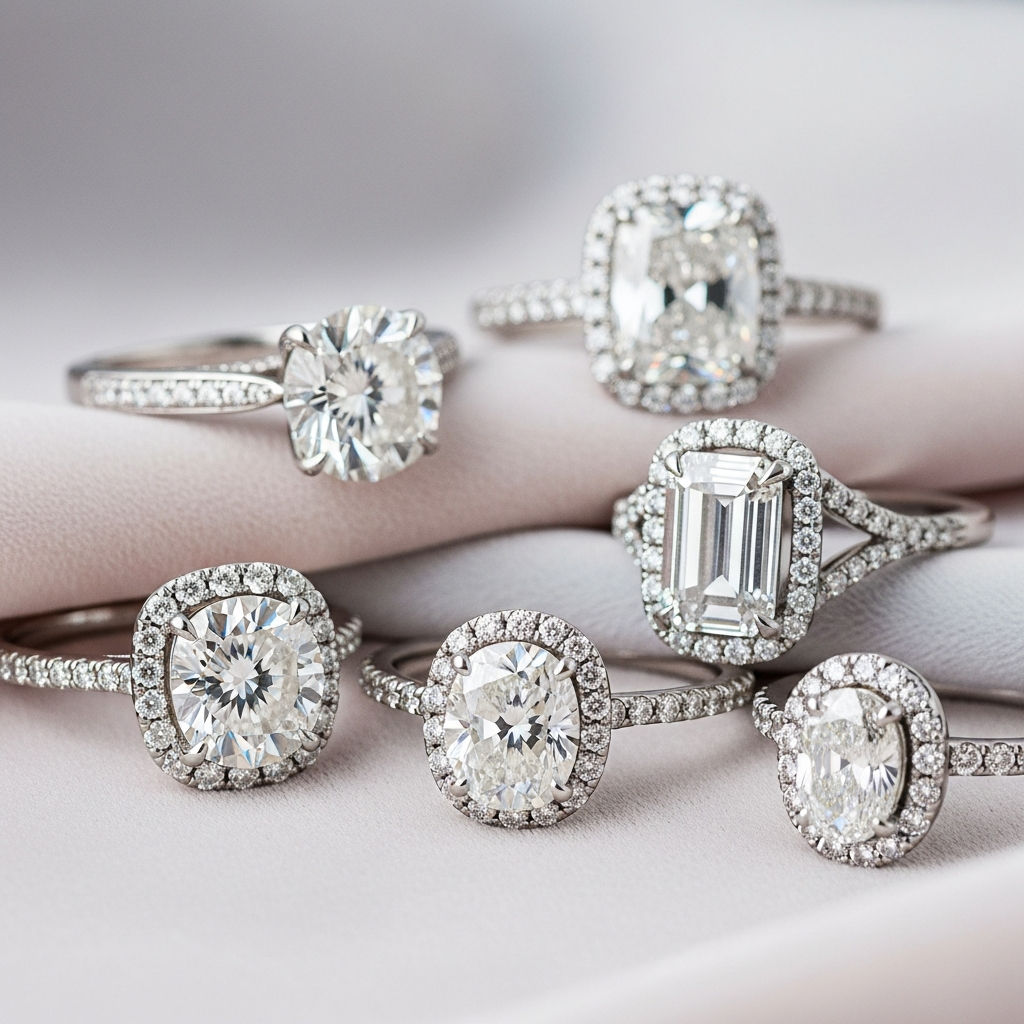
The shape of the center stone defines the overall aesthetic of the engagement ring. While “shape” and “cut” are often used interchangeably, shape refers to the geometric outline of the stone.
The Round Brilliant Cut
The Round Brilliant is the most popular choice for engagement rings. With 58 facets designed to maximize light reflection, it offers more sparkle than any other shape. Its timeless appeal makes it a safe and stunning choice for any setting.
The Oval Cut
Oval diamonds have surged in popularity in recent years. They offer a similar brilliance to the round cut but have an elongated shape that can make the finger look longer and more slender. Additionally, ovals often appear larger than round diamonds of the same carat weight.
The Emerald Cut
Known for its “hall of mirrors” effect, the emerald cut features long, rectangular facets. This shape emphasizes clarity over sparkle, offering a sophisticated, vintage-inspired look that appeals to those who prefer understated elegance.
The Princess Cut
The Princess cut is a contemporary square shape with pointed corners. It offers a high degree of brilliance while maintaining a modern, architectural feel. It is a fantastic choice for those who want the sparkle of a round diamond with a more modern silhouette.
Choosing the Right Metal for Your Band
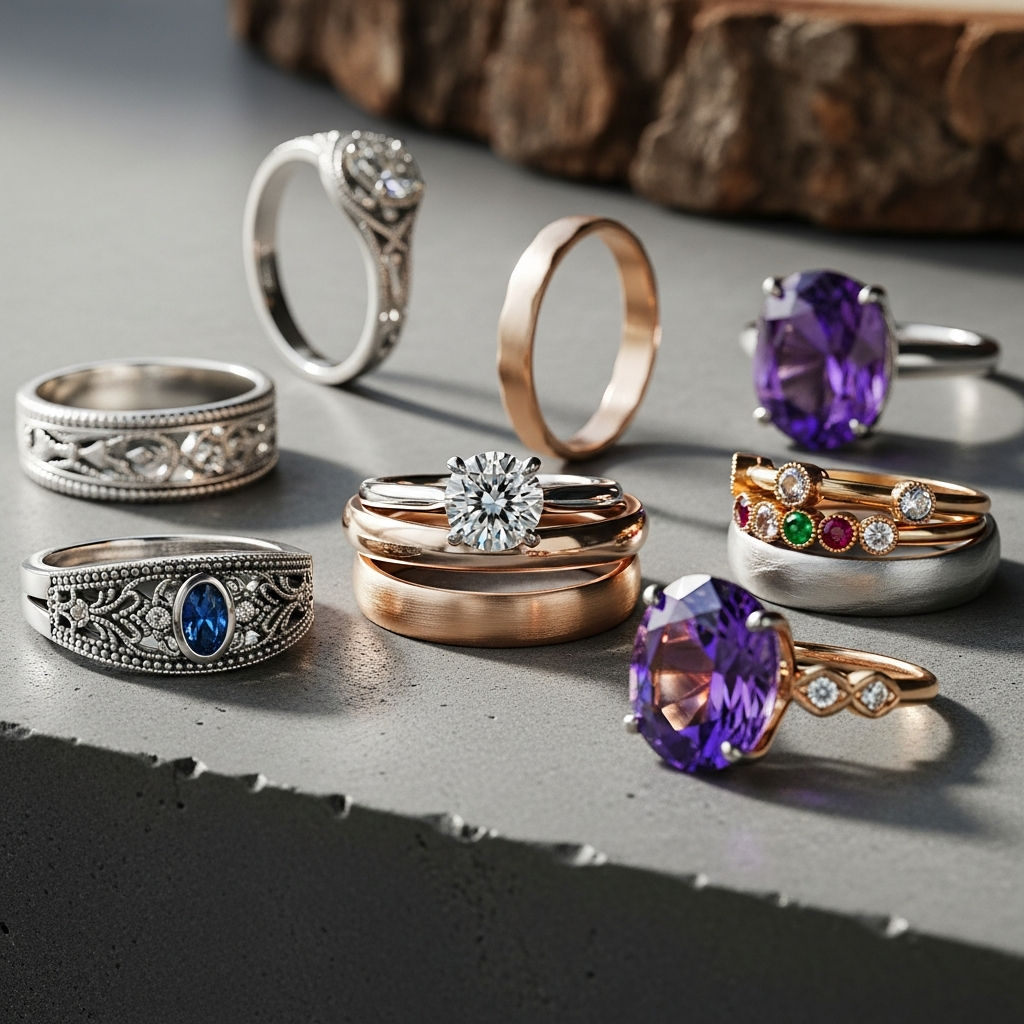
The metal you choose for the band (or “shank”) of the engagement ring sets the tone for the entire piece. Each metal has its own benefits regarding durability, maintenance, and appearance.
- Yellow Gold: A classic and traditional choice that has seen a massive resurgence. It provides a warm glow and is highly resistant to rust and tarnish.
- White Gold: This metal offers a sleek, modern look. It is an alloy of gold and white metals (like palladium or nickel) and is usually plated with rhodium for a bright finish. Note that it may require re-plating every few years to maintain its color.
- Rose Gold: Created by mixing gold with copper, rose gold offers a romantic, vintage feel. It is highly durable and complements a wide range of skin tones.
- Platinum: The most durable and rare of the precious metals. Platinum is naturally white and will not change color over time. It is hypoallergenic, making it ideal for those with sensitive skin.
Trending Engagement Ring Settings
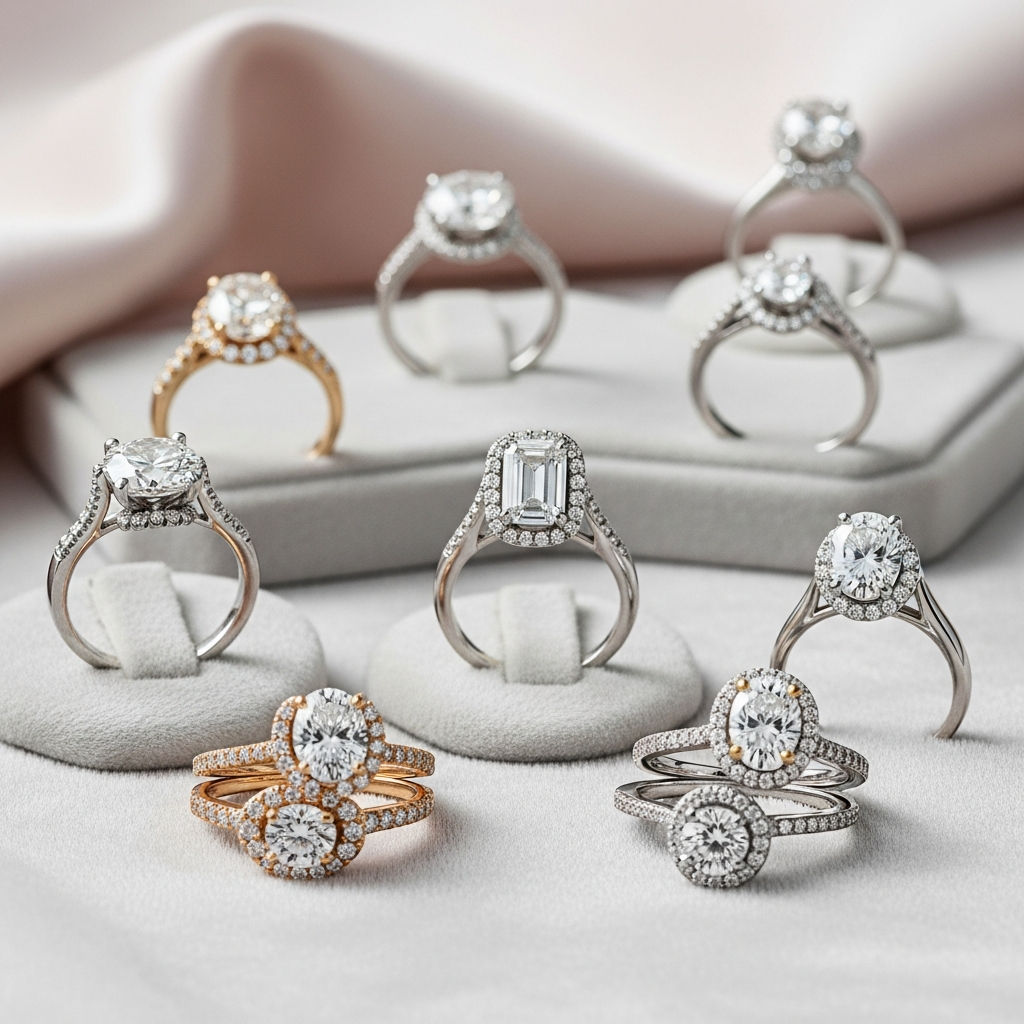
The setting is what holds the diamond in place and defines the ring’s style. From minimalist designs to elaborate halos, the setting can transform the appearance of the center stone.
The Solitaire Setting
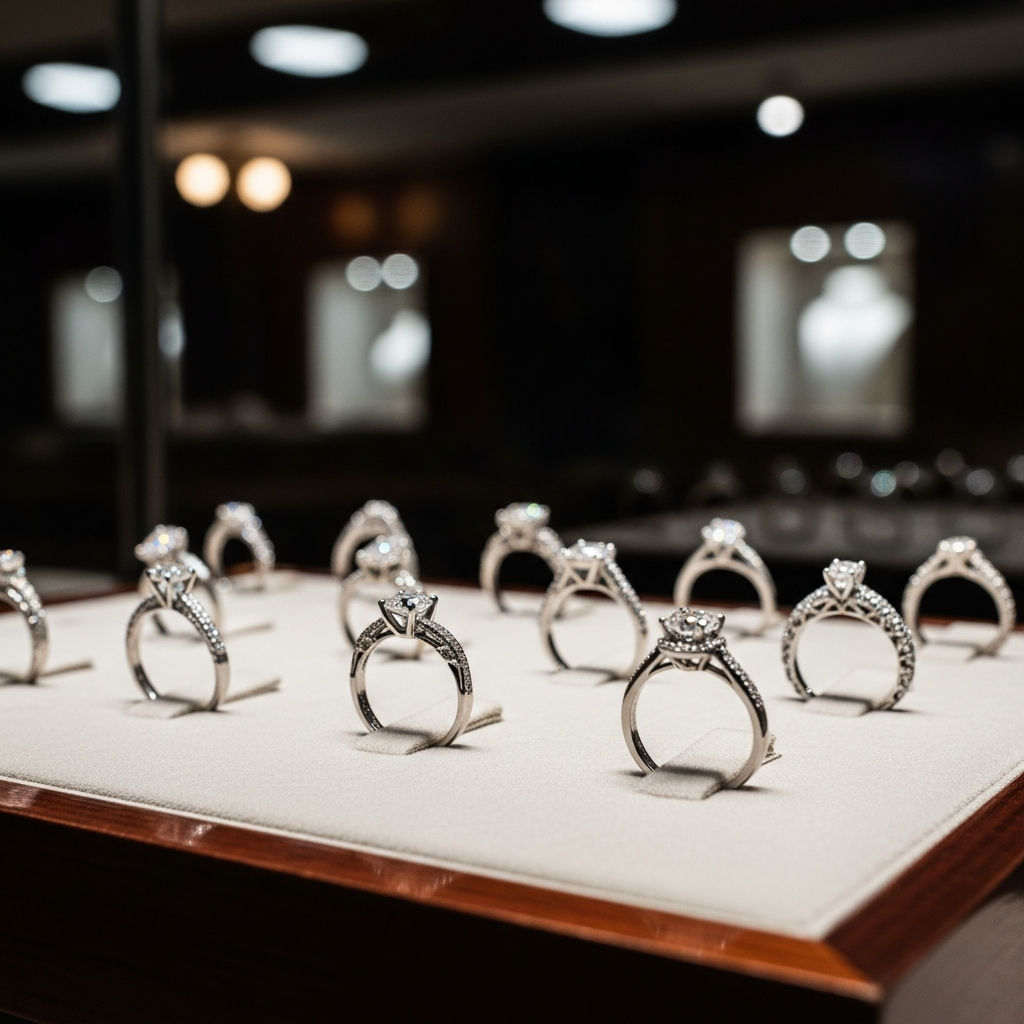
The most iconic engagement ring style, the solitaire features a single diamond held by prongs. It is designed to let the diamond take center stage, allowing for maximum light exposure and timeless simplicity.
The Halo Setting
In a halo setting, a circle of smaller diamonds surrounds the center stone. This not only adds extra sparkle but can also make the center diamond appear significantly larger than it actually is—often by as much as half a carat.
The Three-Stone Setting
Representing a couple’s past, present, and future, the three-stone ring is a sentimental and striking choice. It usually features a larger center stone flanked by two smaller side stones, which can be diamonds or colorful gemstones like sapphires.
The Pavé Setting
Derived from the French word for “paved,” this setting features the band encrusted with tiny diamonds held in place by minimal metal droplets. This creates a continuous surface of sparkle along the band.
The Rise of Lab-Grown Diamonds and Ethical Alternatives
Modern couples are increasingly prioritizing ethics and sustainability when selecting an engagement ring. This has led to a massive rise in the popularity of lab-grown diamonds and alternative gemstones.
Lab-grown diamonds are chemically, physically, and optically identical to mined diamonds. The only difference is their origin. They are created in controlled laboratory environments using advanced technology. Because they don’t require mining, they are often more affordable and come with a lower environmental impact.
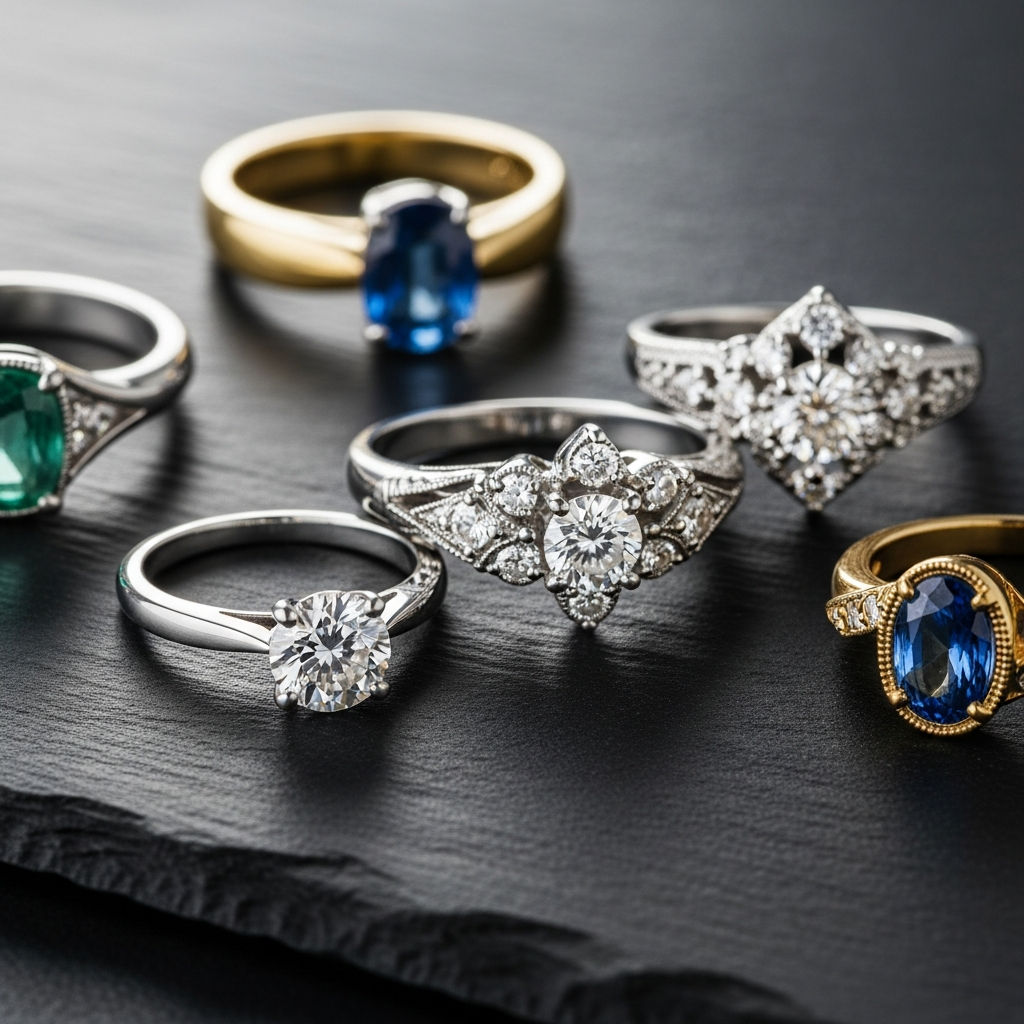
For those seeking something truly unique, Moissanite is a popular alternative. Originally discovered in a meteor crater, moissanite is nearly as hard as a diamond and offers even more “fire” or rainbow-colored flashes of light. Other popular non-diamond options include blue sapphires (a favorite of royalty), emeralds, and morganite.
Expert Tips for Buying an Engagement Ring
Buying an engagement ring can feel overwhelming, but following these expert tips can help streamline the process:
- Set a Budget First: Forget the “three months’ salary” rule. Choose a budget that is comfortable for your financial situation. Beautiful rings exist at every price point.
- Check for Certification: Always ensure the center diamond comes with a grading report from a reputable lab like the GIA or IGI. This guarantees the stone’s quality and authenticity.
- Consider Her Style: Take note of the jewelry your partner already wears. Do they prefer gold or silver? Are their pieces dainty or bold? This will give you the best clue for the perfect ring.
- Don’t Forget the Wedding Band: Some engagement ring settings are “low profile,” meaning a wedding band won’t sit flush against them. Consider how the two rings will look as a set.
Conclusion
An engagement ring is a lifelong treasure that captures a moment of pure joy and promise. By understanding the 4Cs, exploring various shapes and metals, and considering modern ethical options like lab-grown diamonds, you can find a ring that fits both your partner’s style and your shared values. Whether you choose a classic round solitaire in platinum or a custom-designed rose gold halo, the most important element is the love and intention behind the gift. With the right research and a focus on quality, you will find a ring that will be cherished for generations to come.