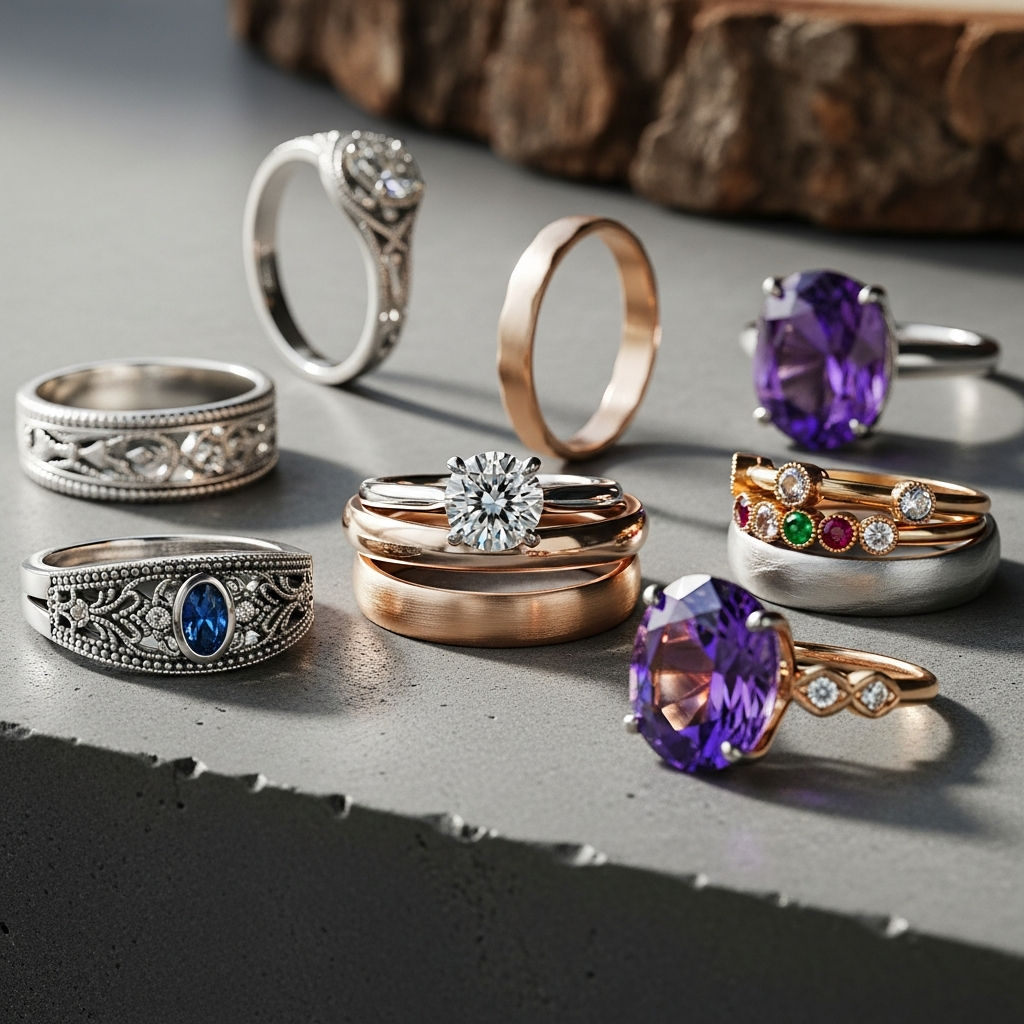

The Ultimate Guide to Engagement Rings: Everything You Need to Know Before You Say “Yes”
Choosing an engagement ring is one of the most significant and emotional purchases you will ever make. It is more than just a piece of fine jewelry; it is a symbol of love, commitment, and the beginning of a lifelong journey together. However, with an overwhelming array of styles, stones, and metals available, the process can feel daunting.
Whether you are shopping for your partner or looking for inspiration for your own “hint list,” this comprehensive guide will walk you through everything from the technical “4 Cs” of diamonds to the latest trends in lab-grown stones and vintage settings. Here is how to find the perfect engagement ring that reflects your unique love story.
Understanding the 4 Cs: The Foundation of Diamond Quality
If you are leaning toward a traditional diamond engagement ring, the first thing you need to master is the “4 Cs.” Established by the Gemological Institute of America (GIA), these four factors determine a diamond’s quality and its ultimate price tag.
- Cut: Often considered the most important “C,” the cut refers to how well a diamond’s facets interact with light. A well-cut diamond will have incredible brilliance and fire. Cuts range from Excellent to Poor.
- Color: Diamonds are graded on a scale from D (colorless) to Z (light yellow or brown). For the best value, many couples look for stones in the G-J range, which appear colorless to the naked eye but are more affordable than D-F grades.
- Clarity: This measures the presence of internal inclusions or external blemishes. Flawless diamonds are extremely rare. Most buyers opt for “Eye Clean” stones (usually VS1, VS2, or SI1), where imperfections cannot be seen without magnification.
- Carat: This refers to the diamond’s weight, not necessarily its size. While larger carats are more expensive, the cut can also influence how large a stone appears on the hand.
Popular Engagement Ring Settings and Styles
The setting is the framework that holds the gemstone and defines the overall aesthetic of the ring. Choosing a style that matches the wearer’s personality is key. Here are the most popular styles currently trending:
1. The Classic Solitaire
The solitaire remains the most popular engagement ring style worldwide. It features a single diamond or gemstone held by prongs. Its simplicity ensures that the center stone remains the star of the show, making it a timeless choice that never goes out of fashion.
2. The Halo Setting
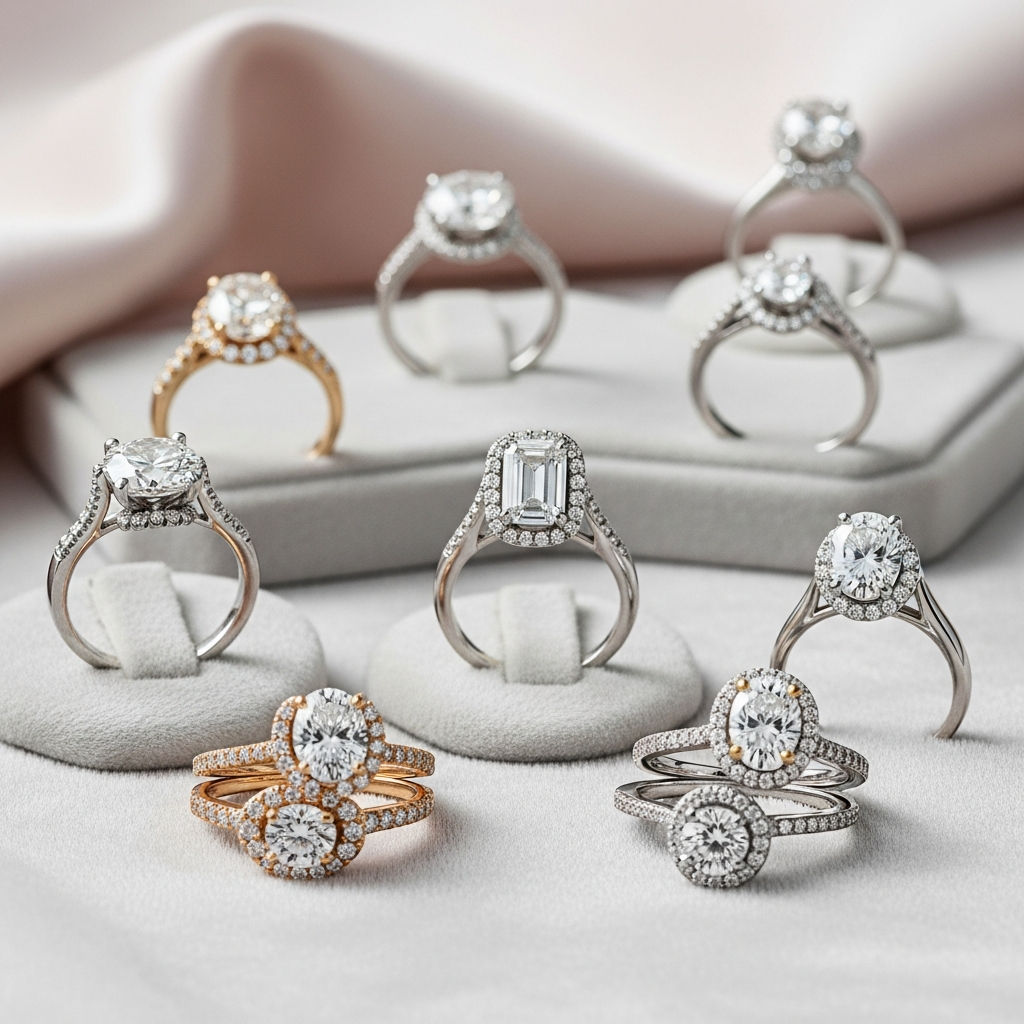
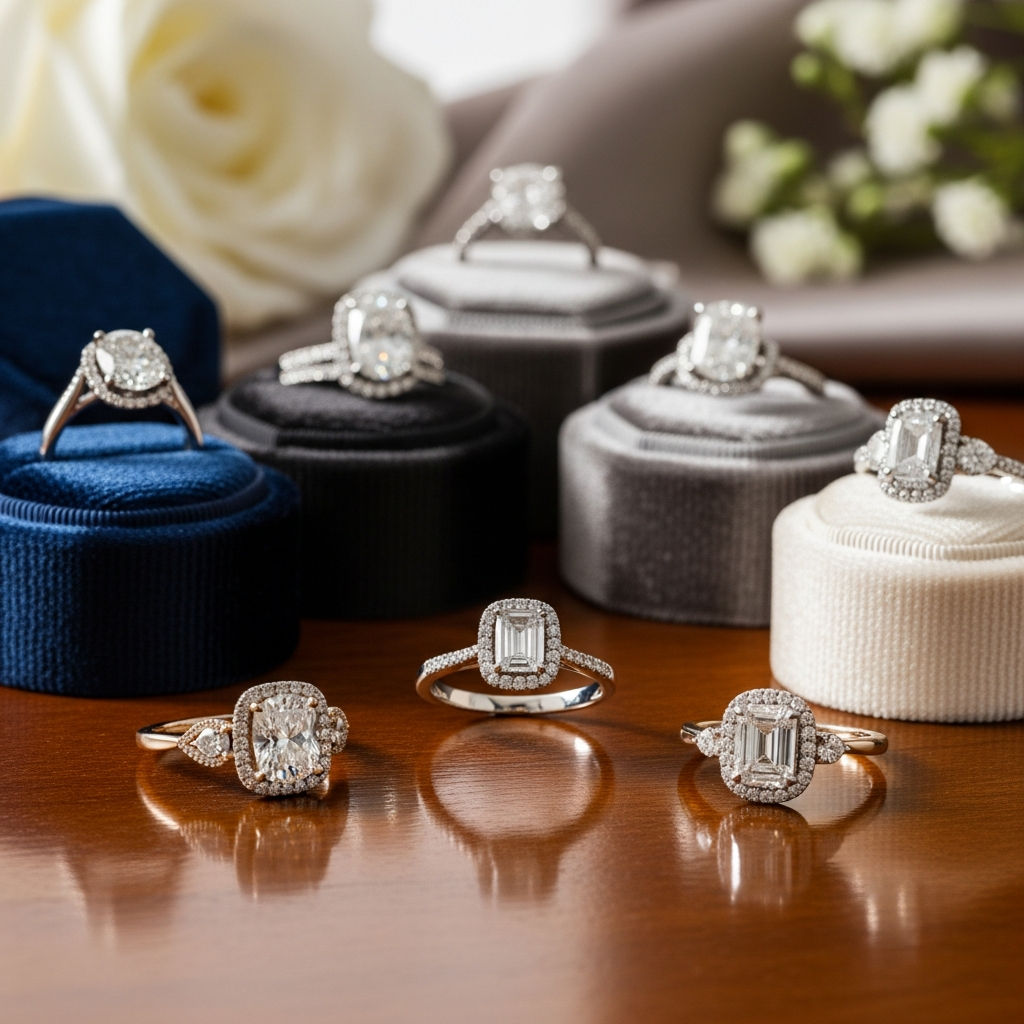
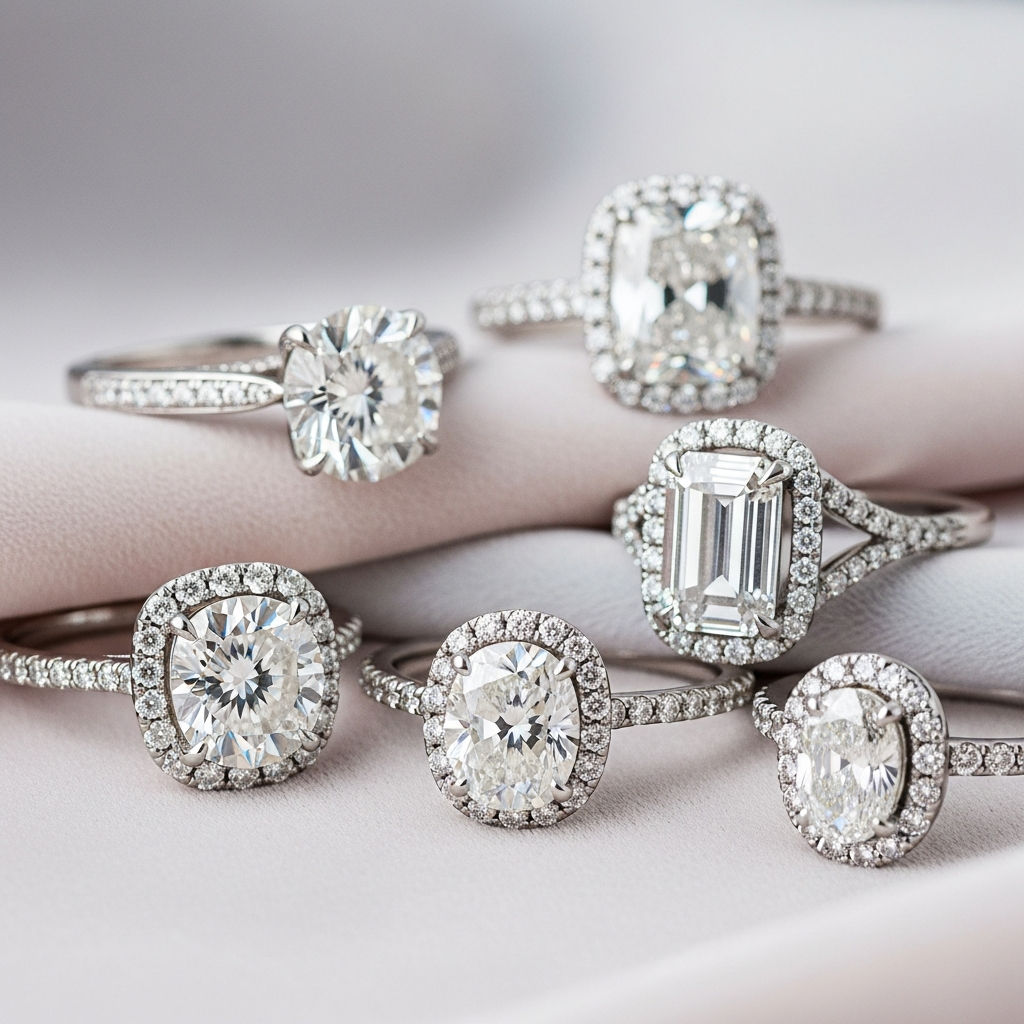
A halo setting features a center stone surrounded by a “halo” of smaller pavé diamonds. This style is beloved because it makes the center stone appear much larger and adds an extra layer of sparkle. It is perfect for those who love a high-glamour look.
3. Three-Stone Rings (Trilogy)
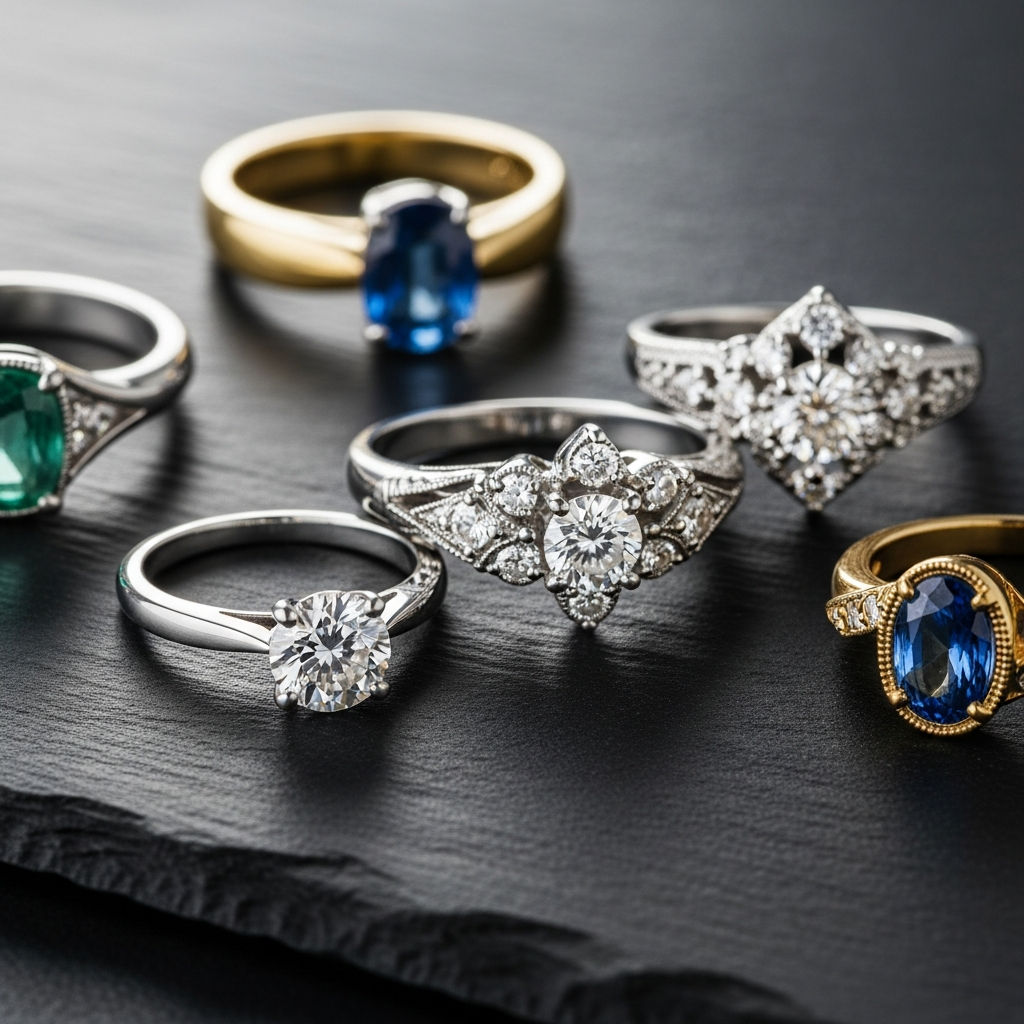
Famously worn by Meghan Markle, the three-stone ring represents a couple’s past, present, and future. It offers a rich, balanced look and allows for creativity—such as flanking a center diamond with sapphires or emeralds.
4. Vintage and Art Deco
For those who prefer something unique, vintage-inspired rings offer intricate details like milgrain (beaded metal), filigree, and geometric shapes. These rings evoke the romance of the Edwardian or Art Deco eras and are ideal for someone with a bohemian or classic style.
Choosing the Right Metal: Gold vs. Platinum
The metal you choose for the band affects the ring’s durability, maintenance, and price. While personal preference plays a role, each metal has its own set of characteristics:
- Yellow Gold: A classic choice that has seen a massive resurgence. It is naturally hypoallergenic and easy for jewelers to resize.
- White Gold: Offers a sleek, modern look. It is plated with rhodium to maintain its silvery sheen, which may require re-plating every few years.
- Rose Gold: Created by mixing gold with copper alloys, rose gold offers a warm, romantic, and vintage feel that complements all skin tones.
- Platinum: The most durable and rarest of the metals. It is naturally white and won’t fade over time. While it is more expensive than gold, it is the most secure option for holding precious stones.
The Rise of Lab-Grown Diamonds and Alternative Gemstones
In recent years, modern couples have moved toward more sustainable and budget-friendly options. This has led to a surge in the popularity of lab-grown diamonds and non-traditional gemstones.

Lab-Grown Diamonds: These are chemically, physically, and optically identical to mined diamonds. The only difference is their origin. Because they are grown in a controlled environment, they are often 30% to 50% less expensive than mined diamonds and are considered a more ethical choice by many.
Moissanite: Originally discovered in a meteor crater, moissanite is a popular diamond alternative. It is nearly as hard as a diamond and actually has more “fire” (colorful flashes of light). It is significantly more affordable, allowing for larger stones at a fraction of the cost.
Colored Gemstones: Sapphires, emeralds, and morganite are becoming increasingly popular for engagement rings. Sapphires, in particular, are an excellent choice due to their hardness (9 on the Mohs scale), making them durable enough for everyday wear.
Current Engagement Ring Trends for 2024 and Beyond
If you want a ring that feels modern and “of the moment,” keep an eye on these emerging trends:
- Toi et Moi Rings: French for “You and Me,” these rings feature two stones nestled side-by-side. This style gained massive popularity after being spotted on celebrities like Ariana Grande and Megan Fox.
- Hidden Halos: A subtle twist on the traditional halo, where the diamonds are placed under the center stone, visible only from the side profile. It adds a “secret” sparkle.
- Oval and Emerald Cuts: While round diamonds are the standard, elongated shapes like ovals and emerald cuts are trending. They elongate the finger and often provide a larger surface area than round stones of the same carat weight.
- Bezel Settings: Instead of prongs, a thin metal rim surrounds the stone. It is sleek, modern, and provides the ultimate protection for the diamond.
How to Budget for an Engagement Ring
There is an old “rule” that says you should spend three months’ salary on an engagement ring. In reality, this was a marketing campaign from the 1940s. Today, the “right” amount to spend is whatever fits your personal financial situation.
To maximize your budget, consider “buying shy.” This means purchasing a diamond just under a full carat weight (e.g., a 0.90ct instead of a 1.0ct). The visual difference is negligible, but the price difference can be thousands of dollars. Additionally, choosing a lab-grown diamond can allow you to get a much larger, higher-quality stone for the same price as a smaller mined diamond.
Final Thoughts: Making the Choice
The perfect engagement ring isn’t necessarily the most expensive one or the one with the largest diamond. It is the ring that reflects the personality of the person wearing it and the promise made between two people. Whether you choose a classic solitaire, a colorful sapphire, or a custom-designed vintage piece, the most important element is the love it represents.
Before making your final purchase, always ensure the diamond is certified by a reputable lab (like GIA or IGI) and that the jeweler offers a solid warranty and return policy. With these tips in mind, you are ready to find a ring that will be cherished for a lifetime.