The Ultimate Guide to Engagement Rings: Everything You Need to Know
Choosing an engagement ring is one of the most significant and emotional purchases you will ever make. It is more than just a piece of fine jewelry; it is a symbol of commitment, a promise of a future together, and a reflection of your partner’s unique personality. However, with so many styles, stones, and metals available, the process can feel overwhelming.
In this comprehensive guide, we will break down everything you need to know about engagement rings—from the technical aspects of diamond quality to the latest design trends—to help you find a ring that will be cherished for a lifetime.
Understanding the Foundation: The 4Cs of Diamonds
If you are planning to purchase a diamond engagement ring, your first step is understanding the “4Cs.” Established by the Gemological Institute of America (GIA), these four factors determine the quality and value of a diamond.
1. Cut
The cut is arguably the most important of the 4Cs. It refers to how well a diamond’s facets interact with light. A well-cut diamond will have that signature sparkle and brilliance. Even if a diamond has perfect color and clarity, a poor cut can make it look dull and lifeless. Common grades range from Excellent to Poor.
2. Color
Diamond color is graded on a scale from D (colorless) to Z (light yellow or brown). Truly colorless diamonds are the rarest and most expensive. Most buyers opt for diamonds in the G-J range, which appear nearly colorless to the naked eye but offer much better value.
3. Clarity
Clarity measures the number and size of tiny imperfections, known as inclusions (internal) or blemishes (external). The scale ranges from Flawless (FL) to Included (I). For the best balance of beauty and budget, look for “eye-clean” diamonds, typically in the VS1 or VS2 range, where imperfections cannot be seen without magnification.
4. Carat Weight
Carat refers to the diamond’s weight, not necessarily its physical size. While a higher carat weight usually means a larger stone, the cut can also influence how large a diamond appears. It is often more strategic to buy a slightly smaller carat weight with a superior cut to maximize brilliance.
Popular Engagement Ring Styles
The setting of the ring defines its overall aesthetic. Whether your partner prefers modern minimalism or intricate vintage details, there is a style for everyone.
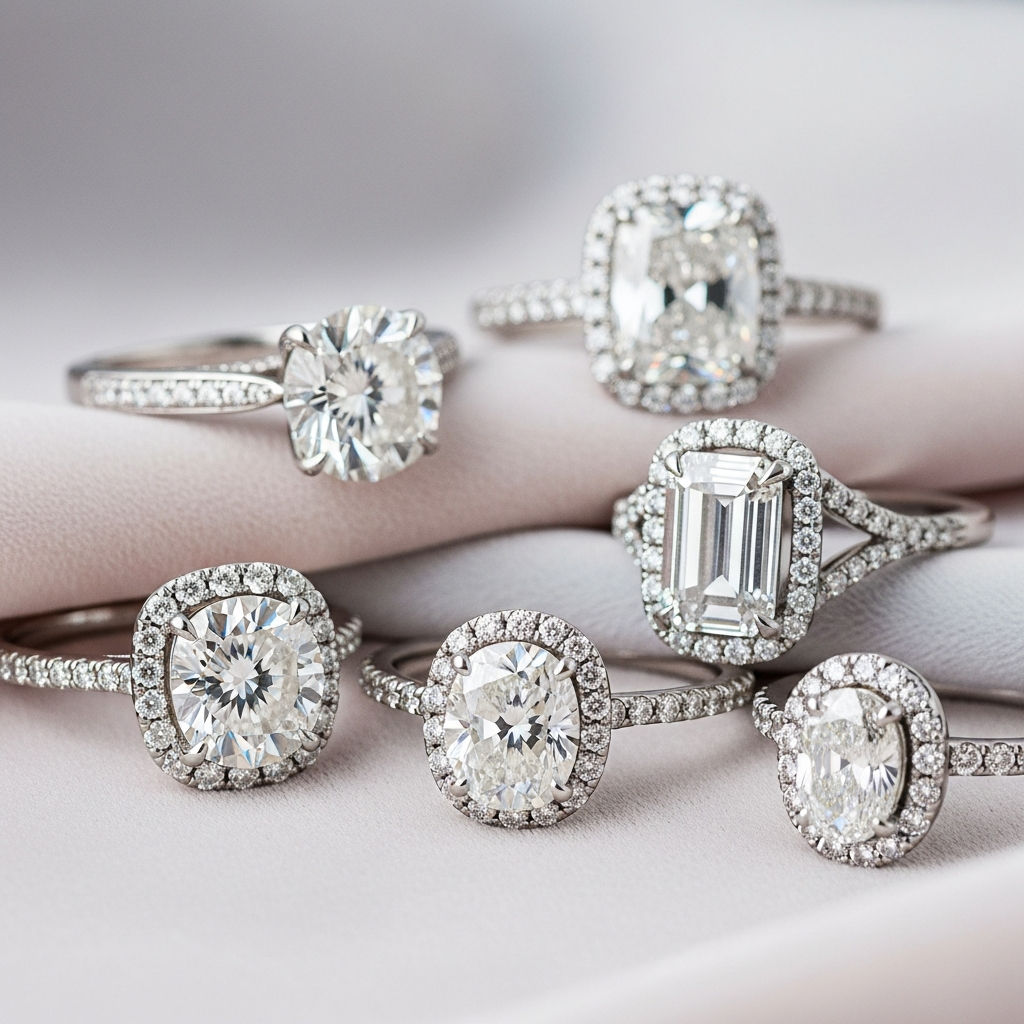
- Solitaire: The most classic choice, featuring a single diamond on a plain band. It highlights the beauty of the center stone and never goes out of style.
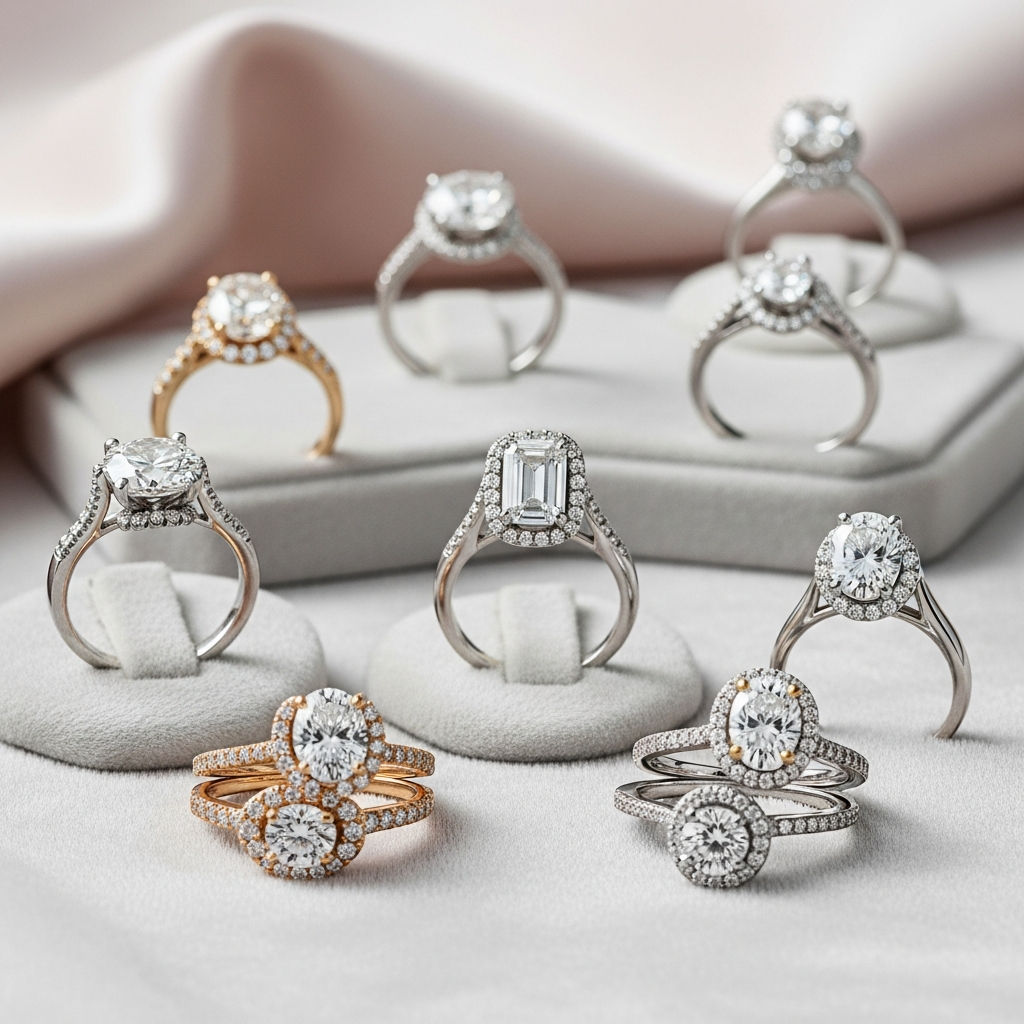
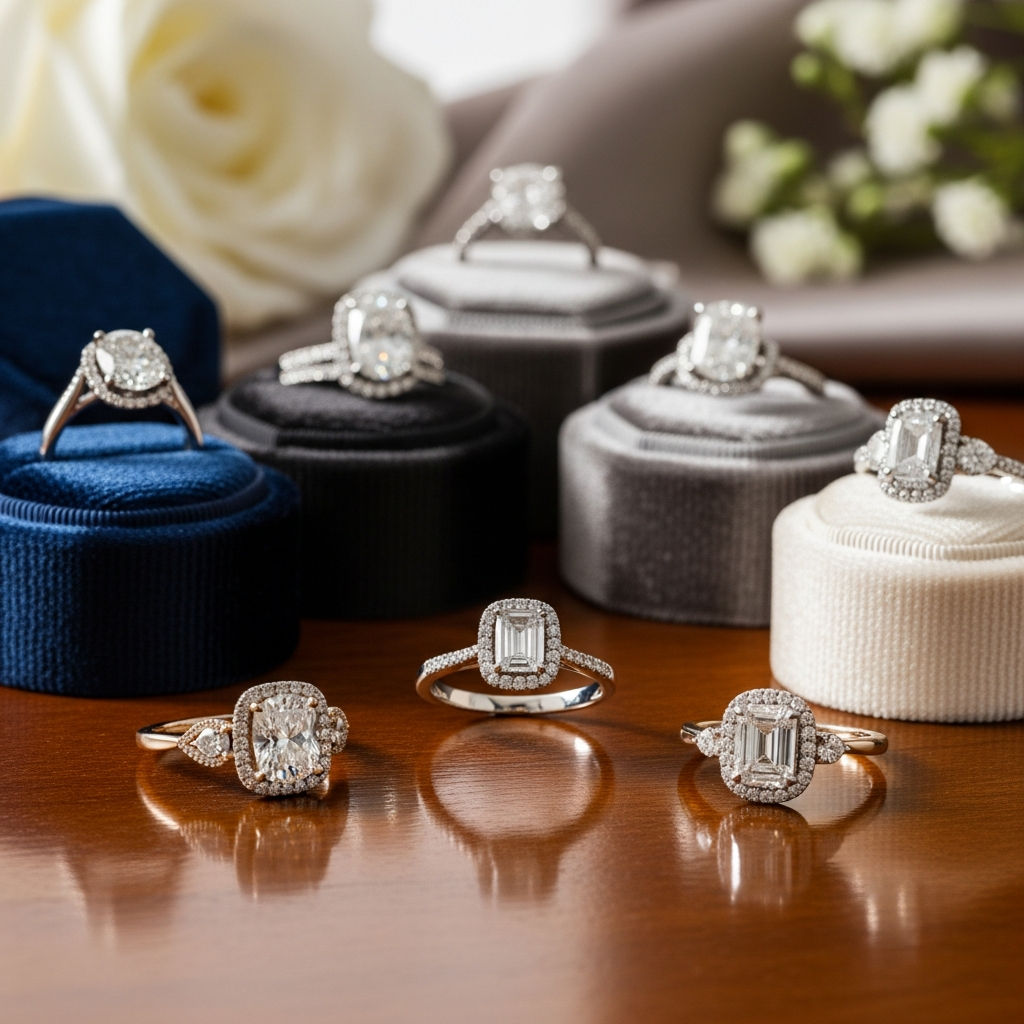
- Halo: This style features a center stone surrounded by a “halo” of smaller diamonds. It creates the illusion of a larger center stone and adds incredible sparkle.
- Three-Stone: Also known as a “Trinity” ring, these represent a couple’s past, present, and future. Usually, a larger center stone is flanked by two smaller side stones.
- Pavé: In a pavé setting, the band is encrusted with tiny diamonds held in place by small metal prongs. This adds a continuous shimmer to the entire ring.
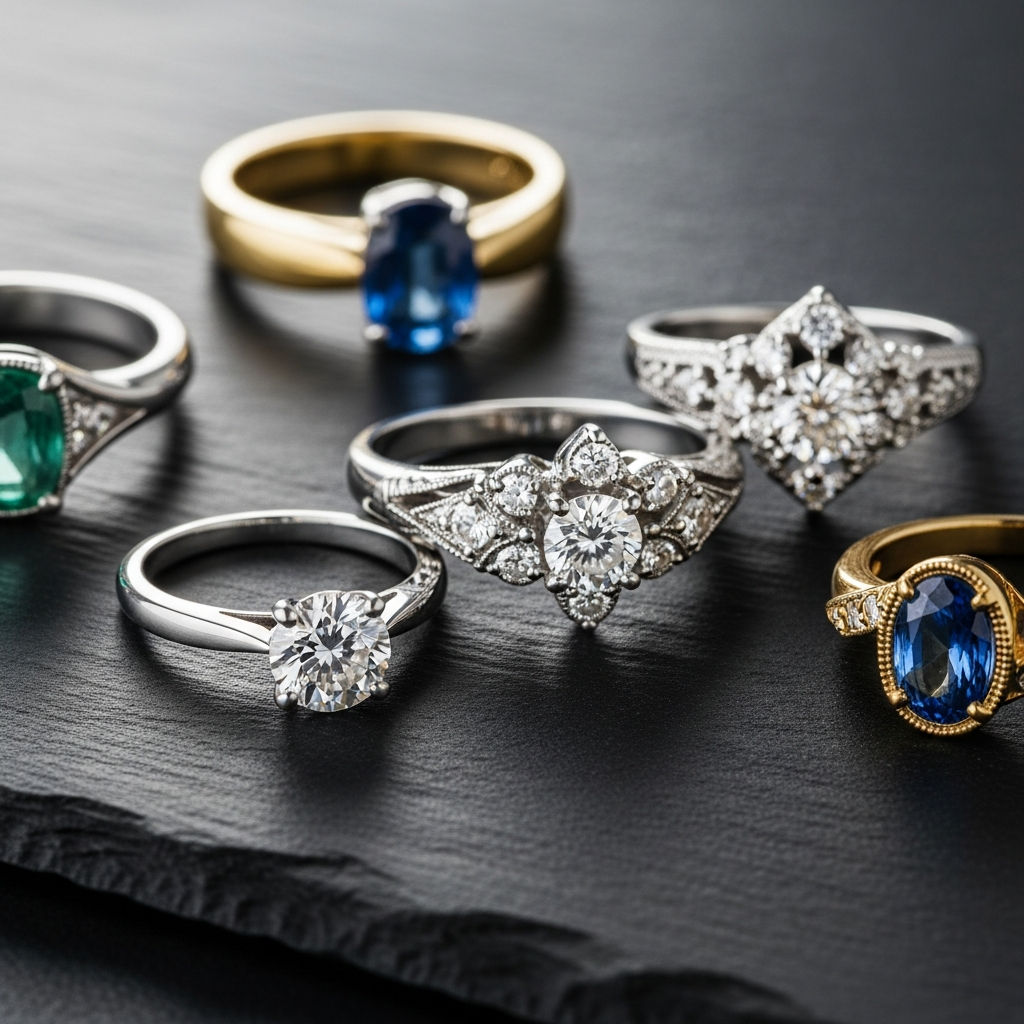
- Vintage-Inspired: These rings draw inspiration from eras like Art Deco or the Victorian period, featuring intricate milgrain, filigree, and unique engravings.
- Bezel Setting: Instead of prongs, a thin metal rim surrounds the diamond. This is a sleek, modern look that offers the best protection for the stone.
Choosing the Right Metal
The metal you choose for the band significantly impacts the ring’s durability and appearance. Here are the most common options for engagement rings:
Platinum
Platinum is the most durable and rarest of the precious metals. It is naturally white, meaning it won’t fade or change color over time. It is also hypoallergenic, making it ideal for those with sensitive skin.
White Gold
White gold offers a similar look to platinum but at a more affordable price point. It is made by mixing pure gold with white metals like palladium or silver. Note that white gold is typically plated with rhodium to maintain its shine and may require re-plating every few years.
Yellow Gold
Yellow gold is making a massive comeback. It provides a warm, traditional glow and looks particularly stunning on people with warm skin tones. 14k or 18k yellow gold is the standard for engagement rings to ensure durability.
Rose Gold
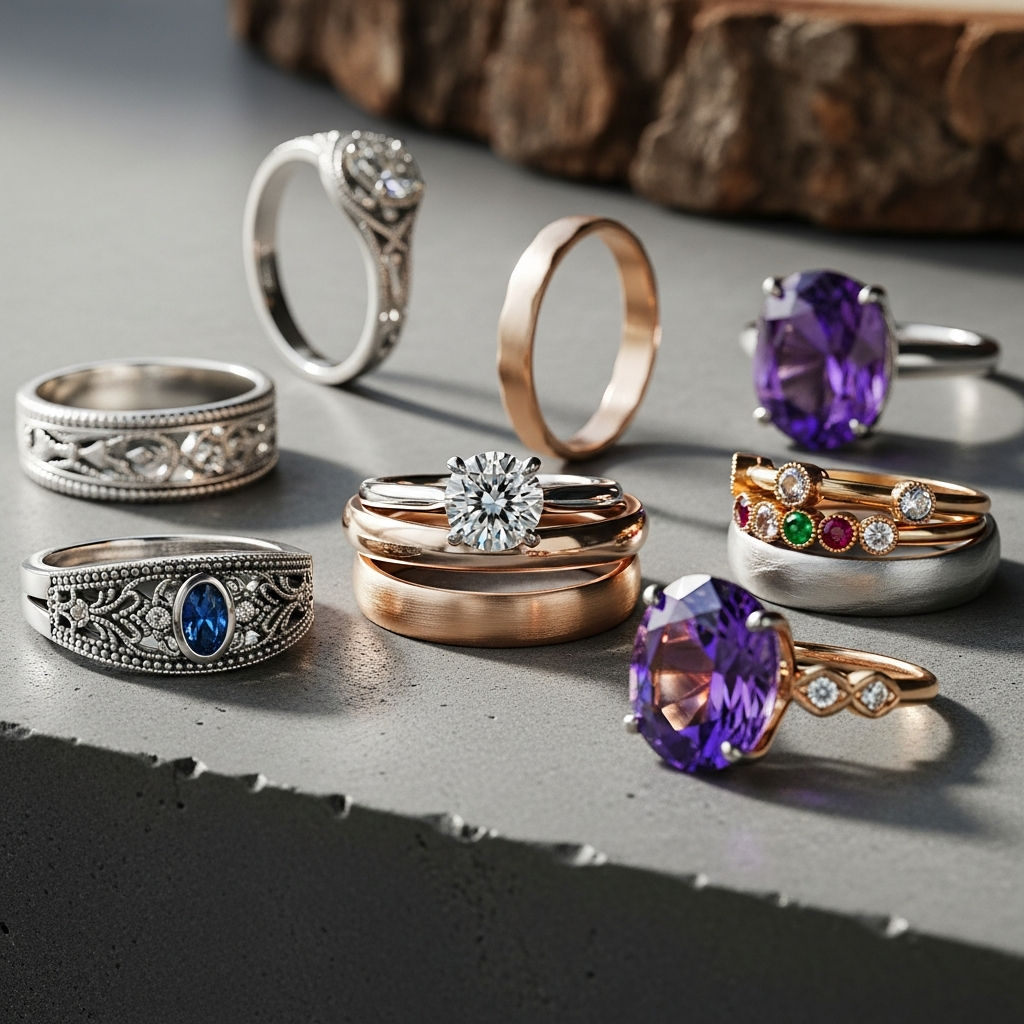
Rose gold is created by mixing gold with copper. It has a romantic, vintage feel and is known for being very durable. It complements almost all skin tones and offers a unique alternative to traditional white or yellow metals.
Natural vs. Lab-Grown Diamonds
One of the biggest decisions modern buyers face is choosing between natural and lab-grown diamonds. Both are real diamonds with the same chemical, physical, and optical properties.
- Natural Diamonds: Formed deep within the Earth over billions of years, these are valued for their rarity and “miracle of nature” appeal. They generally hold their resale value better than lab-grown stones.
- Lab-Grown Diamonds: Created in a controlled laboratory environment, these are often 30% to 50% less expensive than natural diamonds of the same quality. They are an excellent choice for those looking for a larger stone on a budget or those with concerns about the environmental impact of mining.
- Moissanite and Other Gemstones: Many couples are opting for non-diamond alternatives. Moissanite is nearly as hard as a diamond and has even more fire (rainbow sparkle). Sapphires, emeralds, and morganite are also popular for a pop of color.
The Importance of Ring Shape
The shape of the diamond (not to be confused with “cut”) is a primary factor in the ring’s personality. While the Round Brilliant is the most popular due to its unmatched sparkle, “fancy shapes” are gaining traction:
- Oval: Elongates the finger and offers a large surface area for its carat weight.
- Emerald: A rectangular shape with “step cuts” that highlight the diamond’s clarity and offer a sophisticated, Hall-of-Mirrors effect.
- Pear: A teardrop shape that is unique and elegant, perfect for a person who wants something different.
- Princess: A modern, square shape with sharp corners and intense brilliance.
- Radiant: Combines the silhouette of an emerald cut with the sparkle of a round brilliant.
Tips for Buying an Engagement Ring
Ready to start shopping? Keep these expert tips in mind to ensure a smooth experience:
1. Set a Budget Early: Forget the “two months’ salary” rule. The right amount to spend is what you can comfortably afford without going into debt. Knowing your budget helps jewelers show you the best options within your range.
2. Check for Certification: Always ensure the center stone comes with a grading report from a reputable lab like the GIA or IGI. This verifies the quality and authenticity of the diamond.
3. Know Their Ring Size: This is the most common hurdle. You can borrow a ring they already wear (on the ring finger) or ask a close friend or family member if they know the size.
4. Consider the Wedding Band: Some engagement rings are designed to sit flush with a wedding band, while others may require a curved or custom band. Think about how the two will look together.
5. Allow Time for Customization: If you are ordering a custom engagement ring or a specific setting, it can take 4 to 8 weeks for the ring to be completed. Don’t wait until the week before the proposal!
Conclusion
Engagement rings are a beautiful intersection of art, science, and emotion. By understanding the 4Cs, exploring different styles, and choosing the right metal, you can find a ring that perfectly symbolizes your love story. Whether you choose a timeless solitaire or a custom-designed masterpiece, the most important element is the thought and love behind the choice. Happy ring hunting!